
Fear and anxiety
This story delves into the emotional toll of living in a world plagued by climate-related disasters and uncertainty.

The wind howled outside, rattling the windows as dark clouds loomed overhead. Sarah sat huddled on her couch, her body tense with fear and anxiety. It had become a daily occurrence, the relentless onslaught of climate-related disasters that had plagued their world. Storms grew fiercer, wildfires ravaged the land, and rising sea levels threatened coastal communities. The uncertainty of what tomorrow would bring weighed heavily on Sarah's shoulders.
She remembered a time when the weather was predictable, when she didn't have to worry about her home being flooded or her loved ones being caught in the path of a raging inferno. But those days seemed like a distant memory now, replaced by a constant state of vigilance and unease.
As Sarah looked out the window, raindrops began to splatter against the glass. Each drop was a reminder of the fragility of their existence. She clenched her fists, her heart pounding in her chest. The fear gnawed at her, an insidious presence that refused to let go.
Her mind raced with thoughts of worst-case scenarios. What if the storm grew stronger and ripped the roof off their house? What if they were cut off from supplies, trapped in a world turned hostile? The what-ifs consumed her thoughts, feeding her anxiety like a relentless beast.
Sarah knew she wasn't alone in her fear. The entire community lived with the same sense of impending doom. They shared stories of close calls and narrow escapes, bonding over their collective trauma. But beneath the surface, there was a palpable tension, an unspoken question: How much more could they endure?
Maintaining hope in the face of such adversity was a battle of its own. Sarah struggled to find optimism amidst the chaos. She clung to memories of a time when the world seemed stable, when the climate was predictable. But those memories felt like a mirage, slipping through her fingers as the present grew more tumultuous.
At times, despair threatened to overwhelm her. She questioned whether their efforts to combat climate change were enough, whether the damage was already irreversible. The weight of responsibility pressed upon her, as she wondered if she had done enough to secure a future for the next generation.
But amidst the fear and anxiety, Sarah found strength in the unity of her community. They banded together, supporting one another through the darkest of times. They organized relief efforts, rebuilt what was lost, and adapted to the ever-changing world. They found solace in their shared struggles and determination to fight for a better future.
Sarah's fears didn't disappear overnight, but she discovered a reservoir of resilience within herself. She learned to focus on the small victories—the moments of calm amidst the chaos, the acts of kindness that emerged from the depths of despair. It was in those moments that hope began to flicker, like a fragile flame refusing to be extinguished.
She realized that her fear and anxiety were not weaknesses but reflections of her deep love for the world she called home. They were reminders of the urgency to protect and heal the planet. With each passing day, Sarah grew more determined to be a catalyst for change, to raise her voice and demand action.
As the storm outside subsided, Sarah stood up from the couch, her resolve firm. The fear and anxiety still lingered, but she no longer allowed them to paralyze her. She would face the uncertainties head-on, armed with resilience and hope. She would be a beacon of light in the darkness, inspiring others to join the fight.
Sarah stepped outside, the scent of rain still heavy in the air. She took a deep breath, embracing the uncertainty, knowing that the future was uncertain but not without hope. With every step she took, she moved forward, one foot in front of the other, ready to confront whatever challenges lay ahead. And in that simple act of defiance, she found strength to carry on.
About the Creator
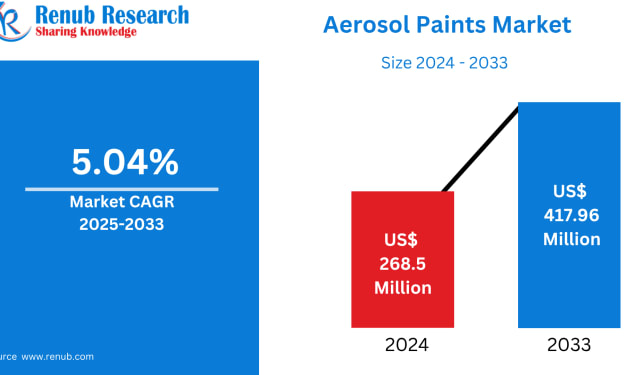
Global Aerosol Paints Market Forecast 2025–2033
Introduction The global aerosol paints market is steadily transforming from a niche convenience product into a mainstream coating solution used across industries, homes, and creative spaces. In 2024, the market was valued at USD 268.5 million, and it is projected to reach USD 417.96 million by 2033, expanding at a CAGR of 5.04% during 2025–2033, according to Renub Research. This growth is driven by the convergence of DIY culture, automotive customization, construction activity, and industrial maintenance needs, alongside innovation in eco-friendly formulations and application technologies.
By Aaina Oberoi4 days ago in Earth
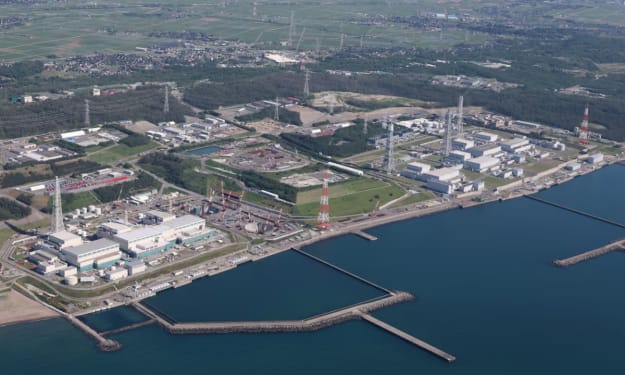
15 Years After Fukushima, Japan Prepares to Restart the World’s Biggest Nuclear Plant
Fifteen years after the catastrophic Fukushima disaster, Japan is preparing to restart the world’s largest nuclear power plant. The decision marks a significant turning point in the country’s energy policy, reflecting both the urgent need for stable energy sources and the ongoing concerns about safety, environmental impact, and public trust. The move underscores Japan’s complex relationship with nuclear energy—a technology that has fueled the nation’s economic growth but also caused one of the worst nuclear disasters in history. The Fukushima Legacy In March 2011, a massive earthquake and tsunami triggered a meltdown at the Fukushima Daiichi Nuclear Power Plant, releasing radioactive material and forcing the evacuation of tens of thousands of residents. The disaster exposed flaws in safety regulations and emergency preparedness, reshaping public perception of nuclear energy in Japan and around the world. Following the incident, Japan shut down nearly all its nuclear reactors, relying heavily on imported fossil fuels to meet energy demand. The decision led to increased energy costs and heightened greenhouse gas emissions, creating pressure to diversify energy sources. Why Japan is Restarting Nuclear Reactors The restart of nuclear plants, including the world’s largest facility, is driven by several factors: Energy Security: Japan imports over 90% of its energy needs. Restarting nuclear plants reduces dependence on foreign fossil fuels and helps stabilize electricity supply. Climate Goals: Nuclear power generates electricity with minimal carbon emissions. As Japan commits to reducing greenhouse gases, nuclear energy offers a low-carbon alternative to coal and natural gas. Economic Considerations: Importing fossil fuels is expensive. Nuclear energy provides a relatively cheaper source of electricity in the long term, helping households and industries manage costs. The government emphasizes that advanced safety measures and rigorous inspections are in place, aiming to restore public confidence and prevent another disaster. Safety Measures and Upgrades Since 2011, Japan has invested heavily in upgrading nuclear infrastructure. Lessons from Fukushima have led to stricter regulations and improved disaster preparedness: Reinforced Reactor Buildings: Structures are now designed to withstand larger earthquakes and tsunamis. Advanced Cooling Systems: Redundant and automated cooling systems reduce the risk of overheating. Emergency Response Planning: Local governments and plant operators coordinate evacuation drills and disaster simulations. Regulatory Oversight: Japan’s Nuclear Regulation Authority (NRA) conducts independent inspections to ensure compliance with safety standards. Despite these measures, skepticism remains. Many citizens fear that no system can fully eliminate the risks associated with nuclear power, especially given the unpredictable nature of natural disasters in Japan. Public Opinion and Controversy The decision to restart the world’s biggest nuclear plant has sparked debate across Japanese society. Supporters argue that nuclear energy is essential for economic stability, energy security, and climate goals. They point out that without nuclear power, Japan would struggle to meet rising electricity demand and climate commitments. Opponents, however, raise concerns about safety, environmental impact, and long-term waste management. Memories of Fukushima remain vivid, and surveys indicate that a significant portion of the population is uneasy about returning to nuclear energy. Local communities near nuclear plants have voiced particular concern, fearing potential accidents and contamination. Economic and Energy Implications Restarting nuclear plants could have broad economic benefits. Stable electricity supply reduces the risk of blackouts, supports industrial activity, and helps control electricity prices for households. From an energy policy perspective, nuclear power allows Japan to balance its energy mix more sustainably. It complements renewable sources like solar and wind, which can fluctuate depending on weather conditions. Nuclear plants provide a steady “baseload” supply that renewables alone cannot guarantee. However, challenges remain: the disposal of radioactive waste, decommissioning older plants, and ensuring consistent regulatory oversight are all long-term concerns that Japan must address to maintain credibility and safety. Global Perspective Japan’s decision is being watched closely worldwide. The Fukushima disaster reshaped global nuclear policy, leading countries like Germany to phase out nuclear energy while others, including China and South Korea, continue to invest in it. Restarting the world’s largest nuclear plant sends a signal about Japan’s commitment to energy self-sufficiency and low-carbon power. It also raises questions about how other nations handle the balance between energy security and safety, especially as climate change increases the urgency for reliable, low-emission energy sources. Lessons Learned Fifteen years after Fukushima, Japan’s experience provides key lessons for the global community: Preparedness is Crucial: Robust safety standards and disaster response systems are essential for operating nuclear plants in seismically active regions. Public Trust Matters: Long-term energy policy must consider public perception and involve communities in decision-making. Diversified Energy Strategy: Nuclear power should be part of a broader energy mix, complemented by renewables to reduce risk and emissions. Continuous Oversight: Independent regulatory bodies and transparent operations are critical for maintaining safety and credibility. These lessons are not only relevant for Japan but also for any country considering nuclear power as part of its energy transition strategy. Conclusion The restart of Japan’s largest nuclear plant, fifteen years after the Fukushima disaster, represents both hope and caution. It promises more stable energy, lower carbon emissions, and economic benefits. At the same time, it reminds the world of the inherent risks of nuclear power and the need for rigorous safety, transparent governance, and public engagement. Japan’s journey reflects a broader challenge faced by many nations: how to meet growing energy demand and climate goals while ensuring safety, sustainability, and public trust. The coming years will reveal whether this bold step strengthens Japan’s energy future or reignites debate over the role of nuclear power in a post-Fukushima era.
By Muhammad Hassan7 days ago in Earth


Comments
There are no comments for this story
Be the first to respond and start the conversation.