
Extended Producer Responsibility: A Sustainable Approach to Environmental Protection
Understanding the Concept, Benefits, and Implementation of Extended Producer Responsibility

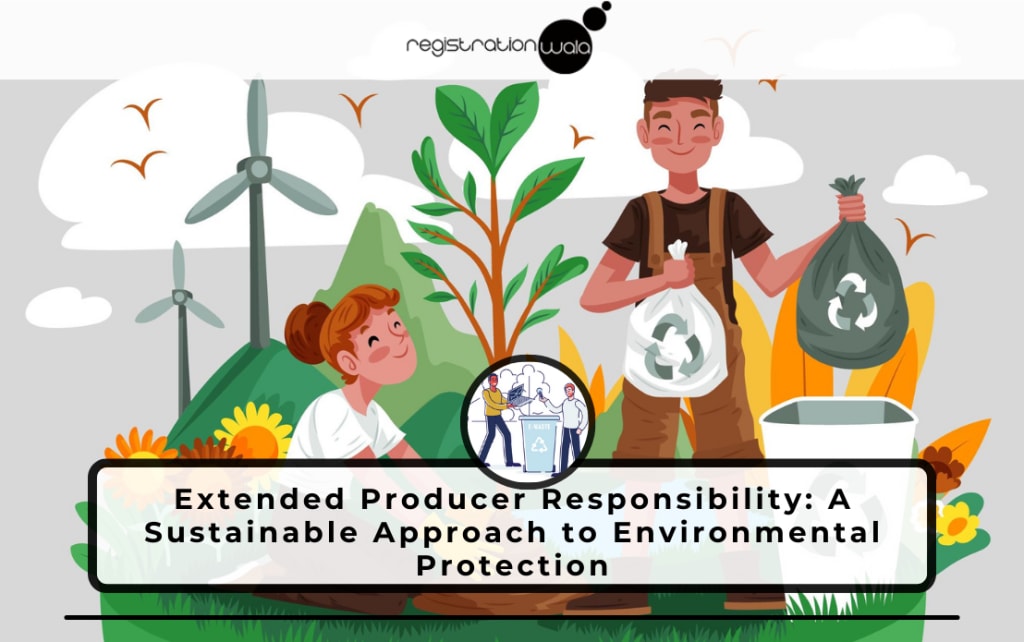
Extended Producer Responsibility (EPR) is a policy approach that makes producers responsible for the environmental impact of their products throughout the product's life cycle. This policy approach has gained significant attention in recent years due to the increase in waste generation and the negative impact of waste on the environment. The EPR approach encourages producers to design products that are environmentally friendly and to take responsibility for the waste they generate.
What is Extended Producer Responsibility?
Extended Producer Responsibility (EPR) is a policy approach that holds producers responsible for the environmental impact of their products from the point of production to the end of the product's life cycle. The producer must manage the product's waste, including recycling and disposal, and bear the costs associated with it. This approach aims to reduce the environmental impact of products and to promote sustainable production and consumption patterns.
Extended Producer Responsibility is a policy tool that holds producers accountable for the environmental impact of their products. Learn how it works, its benefits, and the steps to implement it.
Benefits of Extended Producer Responsibility
Extended Producer Responsibility has many benefits, including:
Implementation of Extended Producer Responsibility
The implementation of EPR involves several steps, including:
- Developing a legal framework: The government needs to develop a legal framework that defines the responsibilities of producers and sets targets for waste reduction.
- Product identification: The government needs to identify products that are covered under the EPR policy and the responsibilities of the producers.
- Producer registration: Producers need to register themselves with the regulatory authority and obtain a license to operate.
- Reporting and monitoring: Producers need to report the amount of waste generated, recycled, and disposed of, and the regulatory authority needs to monitor compliance.
- Enforcement: The regulatory authority needs to enforce penalties for non-compliance with the EPR policy.
Challenges in Implementing Extended Producer Responsibility
The implementation of EPR faces several challenges, including:
- Resistance from producers: Producers may resist the EPR policy as it increases their costs and requires them to change their production practices.
- Lack of awareness: Consumers may not be aware of the environmental impact of the products they use, which can hinder the success of the EPR policy.
- Enforcement: Enforcement of the EPR policy can be challenging, especially in developing countries where there is limited regulatory capacity.
Conclusion
Extended Producer Responsibility is a policy approach that encourages producers to take responsibility for the environmental impact of their products. The EPR approach has many benefits, including reducing waste generation, promoting sustainable production and consumption patterns, and creating economic opportunities. The implementation of EPR involves several steps, including developing a legal framework, product identification, producer registration, reporting and monitoring, and enforcement. While there are challenges in implementing EPR, the benefits of this policy approach make it a valuable tool for promoting sustainable development.
If you need more information on Extended Producer Responsibility or want to obtain the required documents for registration, you can reach out to Registrationwala.
About the Creator
Dora Domino
Meet Dora Domino, a passionate SEO executive with a talent for boosting website visibility and improving search rankings.
Keep reading
More stories from writers in Earth and other communities.
All Holidays Cancelled as UK Holiday Firm Goes Bust
Holiday Firm Collapse Sparks Chaos A major UK holiday company has gone bust, resulting in the cancellation of all booked holidays. The collapse has left thousands of travellers without trips, refunds, or alternative arrangements, sparking frustration and concern among affected customers.
By Aarif Lashari7 days ago in Earth
Time to change your life.
Is it even possible for you to change your life? A lot of people, more than there should be, are unhappy with their lives. But what are they doing about it? Usually nothing. People talk about how shitty their lives are and want change, but are they not taking the actions to change?
By Jen Phillips2 days ago in Humans
Not Just For Clean Up: A History Of The MCU's Department of Damage Control
Initially an organisation that seemed to exist to help the heroes of the Marvel Cinematic Universe, from Phase Four onwards, the Department of Damage Control has shifted into a more antagonistic role. Most recently seen in the Wonder Man series, the current incarnation of Damage Control seems to target superpowered individuals, regardless of whether that person poses an active or intentional threat.
By Kristy Andersona day ago in Geeks




Comments
There are no comments for this story
Be the first to respond and start the conversation.