
Exploring the Varieties and Dimensions of Disposable Paper Plates
Type of paper plates and sizes
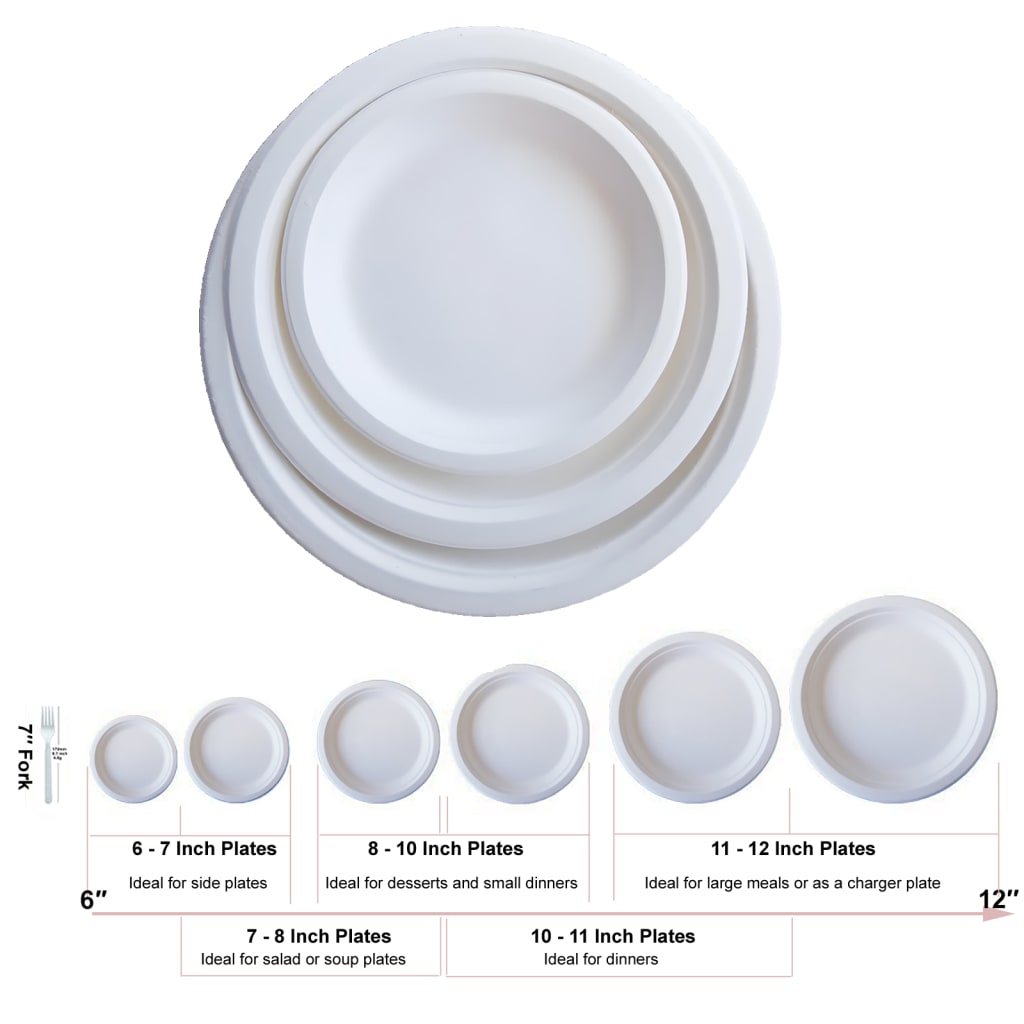
Disposable paper plates have become an integral part of modern dining, offering convenience across various settings—from casual family gatherings to large-scale events. Selecting the appropriate type and size of paper plate is crucial to ensure functionality, aesthetics, and sustainability. This comprehensive guide delves into the various types of paper plates, their standard sizes, and considerations for choosing the right plate for your needs.
Types of Paper Plates
Paper plates are manufactured using different materials and processes, each offering unique benefits. Understanding these types can aid in making informed choices:
Standard Paper Plates: Crafted from basic paper pulp, these plates are lightweight and suitable for dry, lightweight foods. They are often used in casual settings but may lack durability when handling moist or heavy dishes.
Coated Paper Plates: These plates feature a coating—typically wax or plastic—that enhances moisture resistance, making them ideal for serving foods with sauces or oils. The coating provides a barrier to prevent leakage and improves the plate's structural integrity.
Laminated Paper Plates: Constructed with multiple layers, laminated plates offer increased strength and rigidity. They are designed to hold heavier meals without bending or collapsing, making them suitable for main courses and robust dishes.
Compartmentalized Paper Plates: Featuring divided sections, these plates are perfect for meals with multiple components, ensuring that flavors and sauces do not mix. They are commonly used in institutional settings like schools and hospitals.
Eco-Friendly Paper Plates: Made from sustainable materials such as sugarcane bagasse plates, bamboo, or recycled paper, these plates are biodegradable and compostable. They cater to environmentally conscious consumers seeking to reduce their ecological footprint.
Standard Sizes of Paper Plates
Paper plates come in various sizes, each tailored to specific dining needs. The following outlines standard sizes and their typical applications:
Appetizer Plates (6-7 inches / 15.2-17.8 cm): Small paper plates designed for appetizers, salads, or desserts. They are ideal for serving bite-sized portions and are commonly used in formal events or as side plates in casual settings.
Lunch Plates (8-9 inches / 20.3-22.9 cm): Slightly larger than appetizer plates, lunch plates are suitable for lighter meals such as sandwiches, salads, or pasta dishes. They offer a balance between portion control and practicality.
Dinner Plates (10-12 inches / 25.4-30.5 cm): The most common size for lunch and dinner, a 10-inch plate provides ample room for standard meal portions. It’s practical, versatile, and widely used in homes and events.
Platter Plates (12-13 inches / 30.5-33 cm): Large plates accommodate generous servings for occasions requiring extra space, ensuring your meals stay neatly arranged. Often used as a base for formal dining settings, these plates add elegance and functionality.
Dessert Plates (6-7 inches / 15.2-17.8 cm): Designed for desserts, cakes, and pastries, these plates provide sufficient space for sweets without overshadowing the presentation.
Snack Plates (4-5 inches / 10.2-12.7 cm): Compact and easy to handle, snack plates are perfect for serving finger foods, appetizers, or small portions. They are commonly used in casual gatherings and parties.
Considerations for Choosing the Right Paper Plate
When selecting a paper plate, consider the following factors to ensure it meets your specific needs:
Material: Choose a material that aligns with your environmental values and the nature of the food being served. For instance, eco-friendly plates are suitable for environmentally conscious events, while coated plates are better for oily or saucy foods.
Size: Select a size that appropriately matches the portion sizes of the meals being served. Using a plate that is too large for small portions can lead to an unbalanced presentation, while a plate that is too small may not accommodate the food adequately.
Strength and Durability: Ensure the plate can support the weight and moisture content of the food without bending or leaking. Laminated or coated plates offer enhanced durability for heavier or wetter foods.
Aesthetics: Consider the color and design of the plate to complement the theme of your event. Plain white plates offer versatility and elegance, while colorful or patterned plates can add a festive touch.
Environmental Impact: If sustainability is a priority, opt for biodegradable or compostable plates made from renewable resources. These options help reduce waste and environmental footprint.
Scientific Insights on Plate Size and Food Consumption
Research has explored how plate size influences food consumption and portion perception. A study published in the Journal of Consumer Research found that larger plates can lead to increased food intake, as individuals may serve themselves more when using larger dishes.
Conversely, using smaller plates has been associated with reduced food consumption, as the same portion appears larger on a smaller plate, potentially leading to greater satiety. However, the effectiveness of this strategy can vary based on individual differences and the type of food served.
Conclusion
Selecting the appropriate type and size of disposable paper plates is essential for enhancing dining experiences, whether for casual meals, formal events, or outdoor gatherings. By considering factors such as material, size, strength, aesthetics, and environmental impact, you can make informed choices that align with your specific needs and values. Staying informed about the latest research and trends in disposable tableware can further guide you in making choices that are both practical and sustainable. Recommend use the compostable paper plates for your dinner.
About the Creator
New Study Issues Dire Warning About Worsening Conditions in Major US River: ‘The Outlook … Does Not Look Good’
A recent study examining one of the United States’ most critical waterways has raised alarm bells for environmentalists, policymakers, and communities that rely on it for drinking water, agriculture, and commerce. The research, conducted by a consortium of scientists from leading universities and federal agencies, indicates that the river’s health is deteriorating at an unprecedented pace, and without immediate intervention, the consequences could be catastrophic.
By Fiaz Ahmed Brohi6 days ago in Earth



Comments
There are no comments for this story
Be the first to respond and start the conversation.