
Exploring the Feasibility of Potting Soil in Fish Tanks: A Deep Dive into the Pros and Cons
In this article, we will delve into the feasibility of using potting soil in fish tanks, exploring the potential benefits and drawbacks. Additionally, we will address the important question: "Can you use potting soil as an aquarium substrate?"

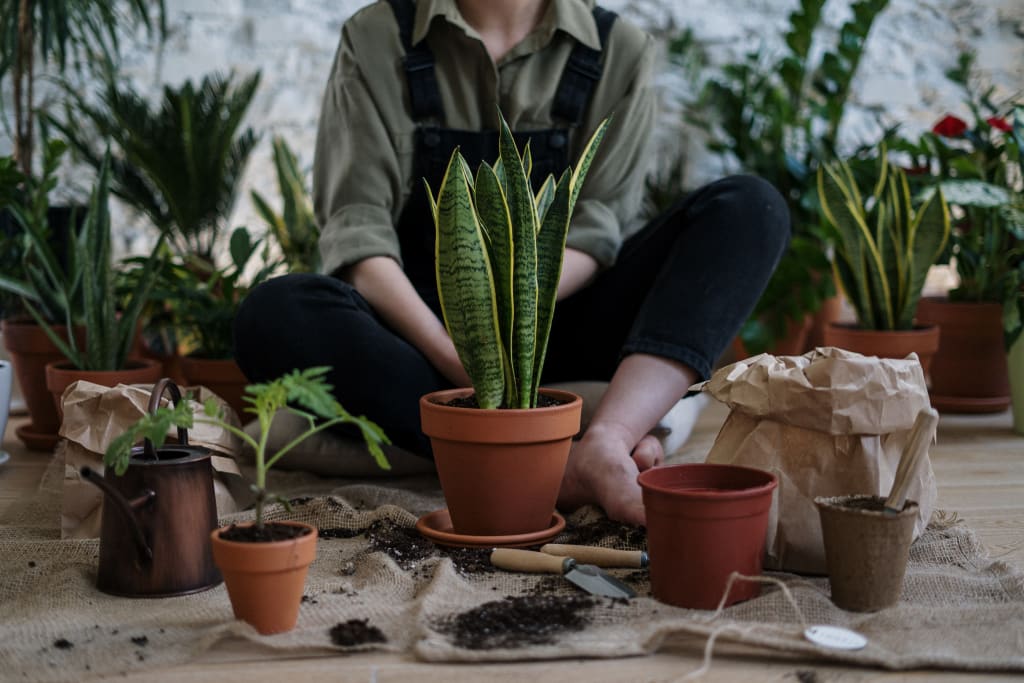
When it comes to setting up a fish tank, choosing the right substrate is crucial for creating a healthy and thriving aquatic environment. While traditional aquarium substrates like gravel and sand are commonly used, some aquarists have considered using potting soil as an alternative option. In this article, we will delve into the feasibility of using potting soil in fish tanks, exploring the potential benefits and drawbacks. Additionally, we will address the important question: "Can you use potting soil as an aquarium substrate?" Join us as we take a deep dive into the pros and cons of potting soil as a substrate for your aquatic companions.
The Pros of Potting Soil in Fish Tanks:
1.1 Nutrient-Rich Medium:
Potting soil is typically enriched with organic matter and nutrients, providing a natural source of essential elements for aquatic plants, promoting their growth and overall health.
1.2 Root Development and Anchoring:
The loose and granular texture of potting soil allows for better root development and anchoring of aquatic plants, supporting their stability and growth.
1.3 Natural Aesthetics:
Potting soil can create a visually appealing and natural-looking substrate, resembling the bottom of a pond or riverbed, enhancing the overall aesthetics of the fish tank.
The Cons of Potting Soil in Fish Tanks:
2.1 Water Contamination:
Potting soil can release organic matter, tannins, and other compounds into the water column, resulting in discoloration, imbalanced pH levels, and compromised water quality. This can be detrimental to the health of fish and other aquatic inhabitants.
2.2 Risk of Anaerobic Conditions:
Potting soil can potentially create anaerobic conditions in the substrate, leading to the production of harmful gases, such as hydrogen sulfide, which can be toxic to aquatic life if released into the water.
2.3 Maintenance Challenges:
Potting soil may require frequent cleaning and maintenance to prevent debris buildup and maintain water clarity. This can be more time-consuming and labor-intensive compared to traditional aquarium substrates.
Can You Use Potting Soil as an Aquarium Substrate?
3.1 Potential Risks:
Using potting soil as an aquarium substrate carries significant risks due to water contamination and potential harm to fish and other aquatic organisms. The organic matter and compounds released by potting soil can adversely affect water quality, leading to imbalances in pH levels and compromised aquatic life.
3.2 Alternative Substrates for Aquariums:
For the well-being of your aquatic inhabitants, it is recommended to use substrates specifically designed for aquariums, such as aquarium gravel, sand, or specialized aquatic plant substrates. These substrates offer optimal water parameters and provide a safe and suitable habitat for fish and plants.
Mitigating the Drawbacks:
4.1 Using a Cap or Barrier:
If you still wish to experiment with potting soil in your aquarium, one way to mitigate the potential issues is to use a cap or barrier, such as a layer of aquarium gravel or sand. This can help contain the soil, prevent it from clouding the water, and minimize water contamination.
4.2 Preparing and Treating the Soil:
Before using potting soil in your aquarium, it is essential to prepare and treat it properly. Thoroughly rinse the soil to remove excess organic matter and tannins, and allow it to dry completely. Treating the soil with beneficial bacteria products can also help establish a healthy microbial balance in the substrate.
Conclusion:
While potting soil offers certain benefits, such as nutrient enrichment and support for root development, using it as an aquarium substrate poses significant risks to water quality and aquatic life. It is crucial to prioritize the well-being of your fish and other aquatic organisms by opting for substrates specifically designed for aquariums. If you decide to proceed with potting soil, take appropriate measures to mitigate the cons, such as using a cap or barrier and properly preparing the soil. Ultimately, the choice of substrate should prioritize the health and safety of your aquatic companions, ensuring a thriving and harmonious environment in your fish tank.
About the Creator
Carolyn Renner
I am a passionate and dedicated planted aquarium enthusiast . I love blogging about my work and would love to educate the world about the well being of your pets and aquarium . To know more visit : Smart Planted Aquarium
Keep reading
More stories from Carolyn Renner and writers in Earth and other communities.
The Hidden Power: Exploring the Important Functions of Fish Tank Substrate
Aquariums are enchanting and vibrant spaces that allow us to bring a slice of the underwater world into our homes. While aquatic plants and fish steal the spotlight, there is a crucial yet often overlooked component that plays a significant role in creating a thriving aquatic ecosystem—the aquarium substrate. In this article, we will explore the hidden power of aquarium substrate and its important functions in maintaining a healthy and balanced environment for your aquatic companions. Additionally, we will delve into the best substrate options specifically tailored for the best substrate for goldfish, providing insights for their unique needs.
By Carolyn Renner3 years ago in Earth
At Least 22 Dead as Crane Collapses Onto Train in Thailand
Thailand has been plunged into mourning after a devastating accident in which a construction crane collapsed onto a moving passenger train, killing at least 22 people and injuring dozens more. The incident, described by officials as one of the deadliest infrastructure-related accidents in recent years, has raised urgent questions about construction safety, urban development, and oversight in the country.
By Aarif Lashari5 days ago in Earth


Comments
There are no comments for this story
Be the first to respond and start the conversation.