
EBC Biochar Certification: What Biomass Feedstock Requirements Are There?
EBC Biochar Certification

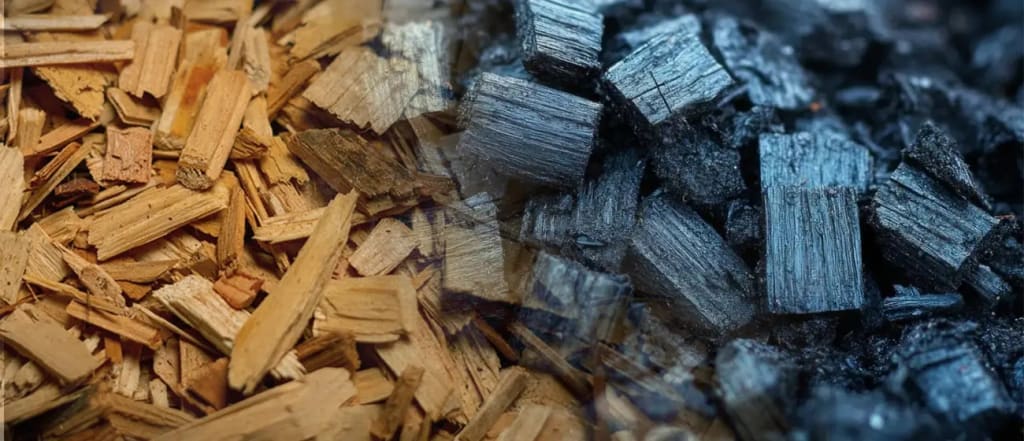
In the dynamic world of sustainable materials, biochar has emerged as a key player, especially in the context of carbon sequestration and soil improvement. The European Biochar Certificate (EBC) plays a pivotal role in ensuring that biochar products meet high - quality and sustainable standards. A crucial aspect of EBC certification lies in the requirements for biomass feedstock.
Sustainable Procurement and Production
The EBC emphasizes that biomass feedstock for biochar production must be procured and produced sustainably. This means that the sources of biomass should not cause harm to ecosystems. For instance, forest biomass used should be sourced in a way that does not lead to deforestation. If forest residues are utilized, they should come from managed forests where logging operations follow strict environmental guidelines. In the case of agricultural biomass, it should not involve the use of excessive fertilizers or pesticides during the growth of the original crops. This is because any harmful chemicals present in the biomass can be transferred to the biochar, potentially affecting its quality and safety for various applications, such as soil amendment.
Avoidance of Problematic Biomass Types
Certain types of biomass are not suitable for EBC - certified biochar production. Biomass that has been treated with persistent organic pollutants, heavy metals, or other harmful substances is a no - go. For example, treated wood that contains preservatives like chromated copper arsenate (CCA) cannot be used as biomass feedstock. Municipal solid waste, which often contains a complex mixture of materials including plastics, metals, and non - biodegradable substances, is also generally excluded. The presence of such contaminants in the biomass can lead to biochar with high levels of impurities, which can be detrimental to both the environment and human health when the biochar is used.
Traceability of Biomass
Traceability is a significant requirement under EBC. The origin of the biomass feedstock needs to be clearly documented. This allows for transparency in the entire biochar production process. For example, if the biomass is sourced from a specific farm or forest area, details such as the location, cultivation or management practices, and the time of harvest should be recorded. This information is crucial for verifying that the biomass meets all the other EBC requirements, such as sustainable production and the absence of harmful contaminants. In case of any issues with the final biochar product, traceability enables the identification of the source of the problem, whether it be related to the biomass feedstock or the production process itself. You can find some information in biomass pyrolysis plant.
Specific Biomass Categories and Their Suitability
Agricultural Residues
Agricultural residues like crop straws (such as wheat straw, rice straw, and corn stover), husks (e.g., rice husks and peanut husks), and bagasse from sugarcane processing are often suitable biomass feedstock. However, they must meet certain criteria. They should be free from excessive soil contamination, which could introduce heavy metals or other impurities. Additionally, if these residues have been in contact with pesticides or herbicides, their levels should be within acceptable limits. For example, the use of some pesticides with long - term environmental persistence may render the agricultural residue unsuitable for EBC - certified biochar production.
Forest Biomass
Forest biomass can be an excellent source for biochar production. This includes branches, twigs, and sawdust from forestry operations. But, as mentioned earlier, it must be sourced sustainably. Dead or diseased trees that are removed as part of forest health management can be a good source. The harvesting of this biomass should not disrupt the ecological balance of the forest. For example, clear - cutting large areas of forest solely for biochar feedstock is not in line with EBC requirements. Instead, selective harvesting or using residues from thinning operations is more appropriate.
Organic Waste
Some types of organic waste can be used as biomass feedstock. Food waste, for instance, can be a valuable source. However, it needs to be properly sorted and free from non - organic contaminants. If food waste is mixed with plastic or metal packaging, it must be separated before being considered for biochar production. Similarly, sewage sludge can be used, but it has to meet strict quality standards regarding heavy metal and pathogen content. The treatment of sewage sludge should be such that it reduces the levels of harmful substances to an acceptable level for EBC - certified biochar production.
In conclusion, the EBC biomass feedstock requirements are comprehensive and aimed at ensuring that biochar production is sustainable, safe, and of high quality. By adhering to these requirements, producers can create biochar that not only benefits the environment through carbon sequestration and soil improvement but also meets the highest standards of quality and safety.
About the Creator
Bestonpyrolysis
Engaged in waste plastic/tyre/rubber recycling, oil sludge treatment, biomass recycling, sewage sludge management and paper recycling…
https://bestonpyrolysisplant.com/
Keep reading
More stories from Bestonpyrolysis and writers in Earth and other communities.
Why Continuous Pyrolysis Plant Is More Eco-Friendly Than Batch System
As the world grapples with mounting waste, particularly plastic, tires, and oil sludge, innovative recycling technologies are crucial in reducing environmental harm. Pyrolysis, a thermochemical process that converts waste into valuable products like fuel and carbon black, has gained attention. But not all pyrolysis systems are created equal. In this blog, we will explore why continuous pyrolysis plants are generally more eco-friendly and efficient than their batch counterparts in the recycling of plastic, tires, and oil sludge.
By Bestonpyrolysis7 months ago in Earth
Stanislav Kondrashov Oligarch Series: Oligarchy and Global Supergrids in the Next Phase of the Energy Transition
The global energy transition is entering a new and complex phase. While early discussions focused primarily on renewable technologies such as solar panels, wind turbines, and battery storage, the next stage of transformation is increasingly centered on infrastructure. Among the most ambitious ideas shaping this evolution is the concept of **global supergrids**—vast electricity networks designed to connect distant regions through high-capacity, long-distance transmission systems.
By Stanislav Kondrashov 2 days ago in Earth




Comments
There are no comments for this story
Be the first to respond and start the conversation.