
Everest High Pass Trek vs Everest Base Camp: Which One Is Right for You?
If you're planning a trip to the Everest region but are unsure whether to go for the Everest Base Camp Trek or the Everest High Pass Trek, this detailed comparison will help you make the right choice based on your goals, fitness level, and adventure spirit.

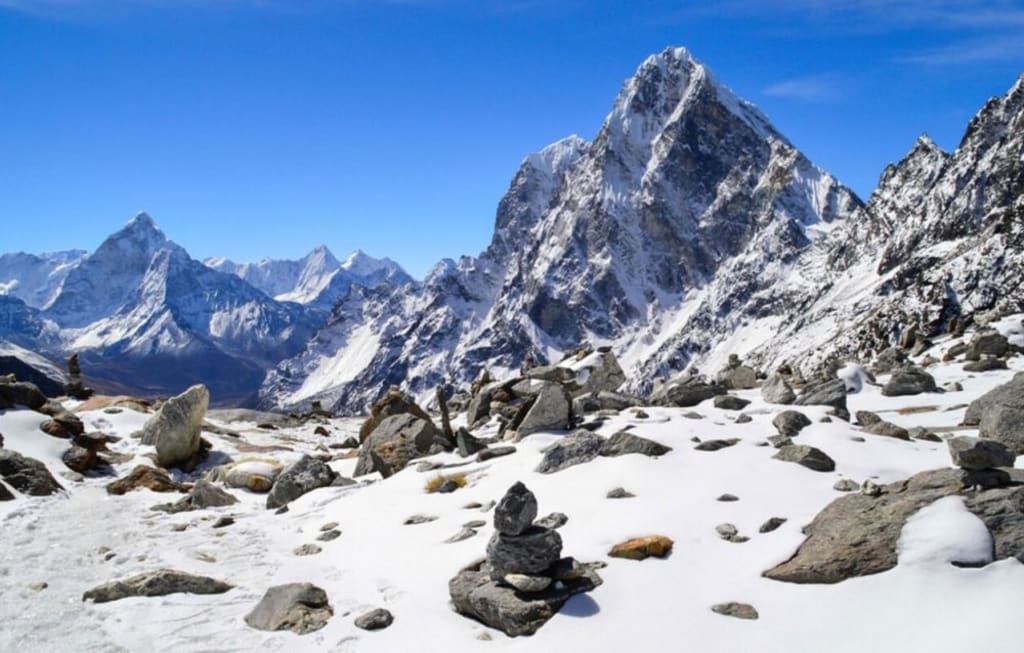
The Everest region in Nepal offers some of the most iconic trekking adventures in the world. Two of the most popular options are the classic Everest Base Camp Trek and the more challenging Everest High Pass Trek. While both treks offer breathtaking Himalayan views, Sherpa culture, and a rewarding trekking experience, they differ significantly in terms of difficulty, route, duration, and overall experience.
Overview of Everest Base Camp Trek
The Everest Base Camp (EBC) Trek is one of the most famous trekking routes in the world. This trek takes you to the base of the highest mountain on Earth, Mount Everest (8,848 meters), located at an altitude of 5,364 meters.
Key Highlights:
• Spectacular views of Everest, Lhotse, Nuptse, and Ama Dablam
• Immersion in Sherpa culture and visits to monasteries
• Stay in traditional teahouses and villages like Namche Bazaar and Tengboche
• A chance to stand at the foot of Everest and visit the famous Kala Patthar viewpoint (5,545 meters)
Duration:
Typically 12 to 14 days
Difficulty:
Moderate to strenuous, suitable for trekkers with good fitness levels and some prior trekking experience
Overview of Everest High Pass Trek
The Everest High Pass Trek, also known as the Everest Three Passes Trek, is a more adventurous and physically demanding route that takes you across three high mountain passes — Kongma La (5,535m), Cho La (5,420m), and Renjo La (5,360m) — while still including the EBC and Kala Patthar highlights.
Key Highlights:
• Crossing three high-altitude passes in the Khumbu region
• Visiting Everest Base Camp and Kala Patthar
• Exploring remote valleys like Gokyo and the beautiful turquoise Gokyo Lakes
• Panoramic views of Everest, Makalu, Cho Oyu, and other 8,000-meter peaks
Duration:
Typically 17 to 21 days
Difficulty:
Strenuous to very strenuous, best suited for experienced trekkers with strong physical endurance.
Everest Base Camp vs Everest High Pass Trek: A Detailed Comparison
1. Trek Difficulty
• Everest Base Camp Trek: Though it reaches high altitudes, the trail is well-traveled and offers a gradual ascent. Acclimatization days are built in to reduce the risk of altitude sickness. Suitable for those with decent fitness and no need for technical climbing skills.
• Everest High Pass Trek: Requires crossing three passes above 5,000 meters, each involving steep ascents and descents. The terrain is more rugged and remote, often covered in snow and ice. Ideal for trekkers seeking a physically challenging and adventurous experience.
Verdict: Choose EBC for a safer and more manageable experience; opt for the High Pass trek if you’re looking for adventure and have the stamina to handle tough conditions.
2. Trekking Duration
• EBC Trek: Generally takes 12 to 14 days round-trip from Lukla, including rest and acclimatization days.
• High Pass Trek: Takes about 17 to 21 days due to the longer and more circuitous route, additional altitude gains, and acclimatization needs.
Verdict: If you are short on time, EBC is the better option. For a longer and more immersive experience, go with the High Pass Trek.
3. Scenic Variety
• EBC Trek: Offers classic views of Everest, Khumbu Glacier, and nearby peaks. The route follows the main trail through popular Sherpa villages and Buddhist monasteries.
• High Pass Trek: Includes everything EBC offers and more. You’ll witness diverse landscapes — from glacier crossings and alpine valleys to the stunning Gokyo Lakes. The Renjo La Pass provides arguably the best panoramic view of the Everest region.
Verdict: The High Pass Trek offers greater scenic diversity for those looking to explore beyond the standard route.
4. Crowds and Solitude
• EBC Trek: Very popular and can get crowded during peak seasons (spring and autumn). Teahouses and trails are often busy.
• High Pass Trek: Far less crowded, especially over the passes and in the Gokyo Valley. You’ll find more solitude and a sense of remote adventure.
Verdict: For a quieter trekking experience, the Everest High Pass Trek is the better choice.
5. Accommodation and Food
Both treks offer similar teahouse-style accommodation, with basic to moderate facilities. The food along the trails is generally the same: a mix of local and international options including dal bhat, noodles, pasta, and soups.
However, the High Pass route traverses more remote areas where facilities may be more limited compared to the main EBC trail.
Verdict: EBC offers slightly better accommodation standards, especially in the more frequented villages.
Which Trek Should You Choose?
Choose Everest Base Camp Trek If:
• You are new to high-altitude trekking
• You prefer a shorter and less physically demanding itinerary
• You want to enjoy the highlights of the Everest region with a comfortable pace
• You are traveling during the high season and prefer a well-established route
Choose Everest High Pass Trek If:
• You have prior trekking experience and excellent physical fitness
• You are seeking a challenging and off-the-beaten-path Himalayan adventure
• You want to explore hidden valleys, remote villages, and multiple mountain passes
• You have time for a longer trek and wish to cover more of the Everest region
Final Thoughts
Both the Everest Base Camp Trek and the Everest High Pass Trek offer unforgettable journeys through one of the most majestic mountain regions in the world. While the EBC Trek is a timeless classic that caters to trekkers of various skill levels, the Everest High Pass Trek is perfect for seasoned adventurers craving an in-depth and physically rewarding Himalayan experience.
Your choice ultimately depends on your fitness, experience, time availability, and what you seek from your trek. Whether you go for the classic EBC or the adventurous High Pass circuit, the Everest region will leave you with memories to last a lifetime.
Frequently Asked Questions
When is the best time to do these treks?
The best seasons for both treks are spring (March to May) and autumn (September to November), offering stable weather, clear skies, and ideal trekking conditions.
Do I need a guide for these treks?
While it's possible to do the Everest Base Camp Trek independently, hiring a guide is recommended, especially for the Everest High Pass Trek, which involves complex navigation and challenging terrain.
How do I get to the starting point?
Both treks begin with a flight from Kathmandu to Lukla, the gateway to the Everest region.
About the Creator
Anya Gurung
I am a traveller/explorer
Keep reading
More stories from Anya Gurung and writers in Earth and other communities.
Chulu West Peak Elevation Profile and Acclimatization Tips
Chulu West Peak, standing tall at an impressive 6419 meters, is one of the most sought-after trekking peaks in Nepal. Located north of the Annapurna range, it forms part of the Damodar Himal and offers panoramic views of Dhaulagiri, Annapurna I, Annapurna II, Manaslu, and many more. Due to its elevation and technical requirements, Chulu West presents both a physical and mental challenge, making acclimatization crucial for a successful summit attempt.
By Anya Gurung8 months ago in Earth
FPS: Roots and Branches Challenge Winners
The FPS: Roots and Branches Challenge has wrapped up, and gaming enthusiasts around the world are celebrating the winners of this exciting and competitive event. From showcasing incredible skill to creative problem-solving, participants pushed their limits, making the challenge a true testament to the evolving world of first-person shooter (FPS) games.
By Aarif Lashari4 days ago in Earth


Comments (1)
The Everest Base Camp Trek sounds great for those with some experience. The High Pass Trek seems more intense, perfect for seasoned trekkers up for a real challenge.