
Chulu West Peak Elevation Profile and Acclimatization Tips
In this guide, we provide a detailed elevation profile and proven acclimatization strategies to help climbers prepare effectively for this high-altitude adventure.

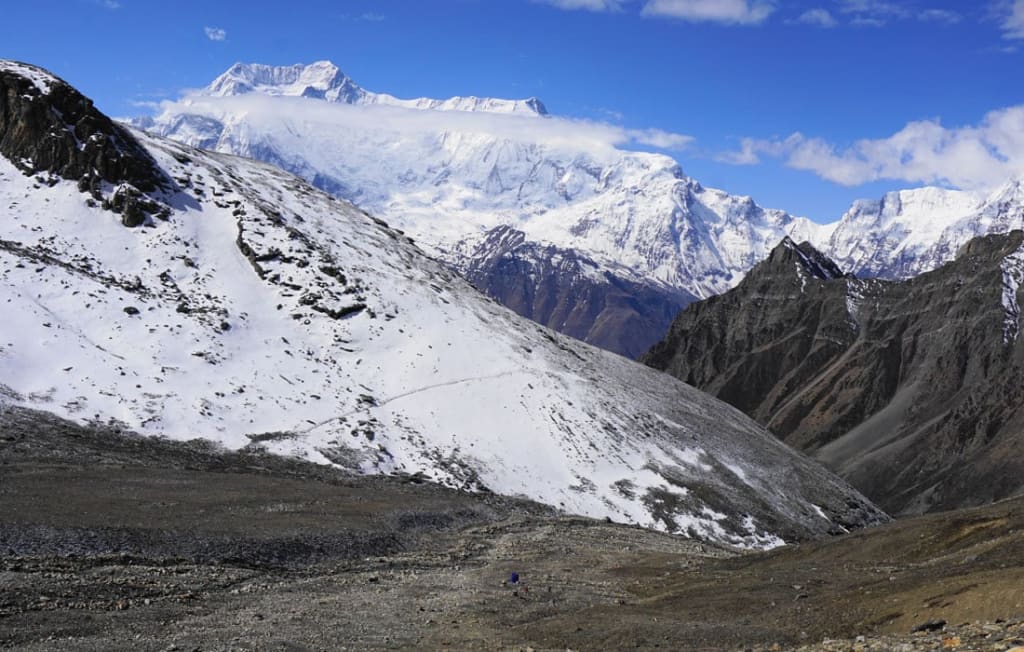
Chulu West Peak, standing tall at an impressive 6419 meters, is one of the most sought-after trekking peaks in Nepal. Located north of the Annapurna range, it forms part of the Damodar Himal and offers panoramic views of Dhaulagiri, Annapurna I, Annapurna II, Manaslu, and many more. Due to its elevation and technical requirements, Chulu West presents both a physical and mental challenge, making acclimatization crucial for a successful summit attempt.
Elevation Profile of Chulu West Peak
A typical Chulu West Peak climbing itinerary takes 18 to 21 days, including trekking through the Annapurna Circuit route for acclimatization. Below is a sample elevation profile based on a standard itinerary:
Day 1: Arrival in Kathmandu (1350 m)
Start your journey by arriving in Nepal’s capital for permits, briefings, and gear checks.
Day 2: Drive to Besisahar (760 m), then to Chame (2670 m)
Drive through scenic hills and rivers, followed by a jeep ride to Chame, the district headquarters of Manang.
Day 3: Trek to Pisang (3200 m)
A relatively easy trek that brings you closer to the heart of the Annapurna region.
Day 4: Trek to Manang (3540 m)
Gain altitude gradually, and begin to feel the effects of thinner air. This is an important acclimatization point.
Day 5: Acclimatization Day in Manang
Use this day for a short hike to higher elevations, such as Gangapurna Lake or Bhojo Gompa, and return to sleep at lower altitude.
Day 6: Trek to Yak Kharka (4050 m)
Cross 4000 meters, where oxygen levels are significantly lower. Pace and hydration are key.
Day 7: Trek to Chulu West Base Camp (4900 m)
The terrain becomes more rugged and remote. Take it slow and monitor for altitude symptoms.
Day 8: Acclimatization and Rest at Base Camp
A vital day to rest, hydrate, and allow your body to adapt before ascending further.
Day 9: Trek to High Camp (5300 m)
Climb to high camp with crampons and ice axes, depending on snow conditions. Settle in for summit preparations.
Day 10: Summit Chulu West Peak (6419 m), Return to Base Camp
Summit day starts early. Expect an alpine start, glacial travel, and steep snow slopes. After reaching the summit, descend carefully to base camp.
Day 11 onward: Descend to Thorong Phedi, Cross Thorong La (5416 m), and Rejoin the Annapurna Circuit
Complete the trek by crossing the iconic Thorong La and descending to Muktinath, Jomsom, and back to Pokhara.
Acclimatization Tips for Chulu West Peak
Due to the high altitude and remote location, proper acclimatization is critical when attempting Chulu West. Below are key tips to help your body adjust to thin air and reduce the risk of altitude sickness.
1. Follow the Golden Rule: Climb High, Sleep Low
During the ascent, always try to gain altitude during the day and descend slightly to sleep. This principle allows your body to adapt more effectively to changing oxygen levels.
2. Take Acclimatization Days Seriously
Do not skip rest days in places like Manang or Chulu West Base Camp. Use these days for active acclimatization by hiking to higher elevations and returning.
3. Increase Altitude Gradually
After crossing 3000 meters, aim to gain no more than 300 to 500 meters per day. A sudden increase can trigger symptoms of Acute Mountain Sickness (AMS).
4. Hydration is Vital
At high altitudes, your body dehydrates faster due to increased respiration. Drink at least 3 to 4 liters of water per day. Herbal teas and soups also help maintain fluid balance.
5. Eat Well and Often
Consume a high-carbohydrate diet to fuel your body and improve oxygen efficiency. Foods like pasta, rice, potatoes, and dal bhat are commonly available along the trail and support high-altitude performance.
6. Avoid Alcohol and Smoking
Both substances impair oxygen absorption and delay acclimatization. Avoid them entirely during the ascent.
7. Know the Symptoms of AMS
Early recognition of symptoms such as headache, dizziness, nausea, and shortness of breath can prevent severe complications. Descend immediately if symptoms worsen.
8. Consider Preventative Medication
Some climbers use Acetazolamide (Diamox) to prevent altitude sickness. Always consult your doctor before taking any medication.
9. Train Before Your Climb
Physical conditioning helps, but acclimatization is a separate physiological process. Still, being in good shape reduces fatigue and increases your ability to adapt.
10. Use Pulse Oximeter
If available, carry a pulse oximeter to monitor oxygen saturation levels daily. This helps assess how well you are acclimatizing.
Why Acclimatization is So Important
The air pressure at the summit of Chulu West is roughly 47 percent of sea level, meaning each breath delivers less than half the oxygen. Without proper acclimatization, this can lead to serious and potentially life-threatening conditions such as:
• Acute Mountain Sickness (AMS)
• High Altitude Pulmonary Edema (HAPE)
• High Altitude Cerebral Edema (HACE)
These risks highlight the importance of not rushing and listening to your body every step of the way.
Final Thoughts
Climbing Chulu West Peak is a formidable goal that rewards climbers with awe-inspiring views and a true sense of accomplishment. However, standing at over 6400 meters, it demands physical endurance, technical readiness, and most importantly, proper acclimatization. Following a well-planned elevation profile and respecting the pace of altitude gain will significantly improve your chances of a safe and successful summit.
Whether you are a seasoned mountaineer or a strong trekker aiming for your first 6000-meter peak, preparing your body to adapt to high altitude is as important as your gear and technical skills. By taking it slow, staying hydrated, and giving your body time to adjust, you pave the way for an unforgettable adventure in the majestic Himalayas.
About the Creator
Anya Gurung
I am a traveller/explorer
Keep reading
More stories from Anya Gurung and writers in Earth and other communities.
Khopra Ridge Trek Guide: Route, Highlights and Practical Tips
The Annapurna region of Nepal is famous for its iconic trekking routes, such as the Annapurna Circuit and Annapurna Base Camp. But nestled away from the busy trails is a hidden gem that offers equally stunning views, rich cultural experiences, and a tranquil atmosphere. The Khopra Ridge Trek is a lesser-known route that brings you to spectacular vantage points, traditional villages, and peaceful alpine landscapes without the crowds.
By Anya Gurung8 months ago in Earth
The AI Boom Will Increase U.S. Carbon Emissions—But It Doesn’t Have to
Artificial intelligence is reshaping the U.S. economy at a breathtaking pace. From generative AI tools and cloud computing to data-driven healthcare and finance, the AI boom promises productivity gains, innovation, and economic growth. But beneath this technological optimism lies a growing concern: AI is energy-hungry, and without intervention, it could significantly increase U.S. carbon emissions.
By Muhammad Hassana day ago in Earth




Comments
There are no comments for this story
Be the first to respond and start the conversation.