
Everest Expedition: Conquering the World's Highest Peak
The Everest Expedition
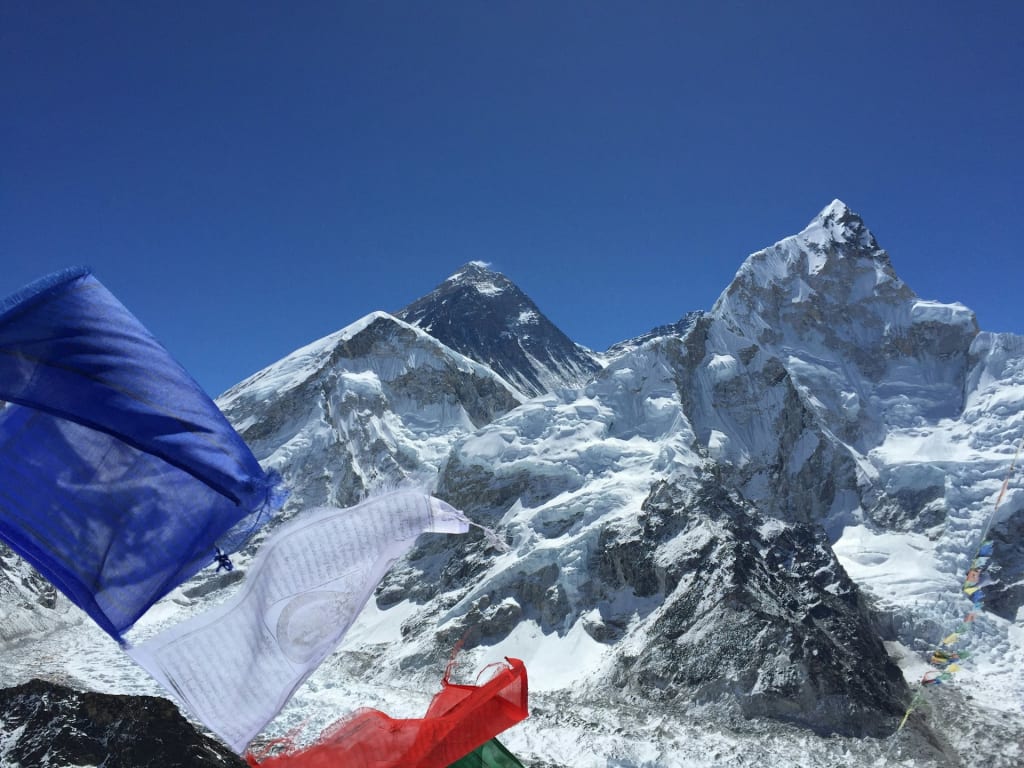
The Everest Expedition is the ultimate adventure, drawing climbers from around the globe to attempt the summit of Mount Everest (8,848.86 meters / 29,031.7 feet), the highest mountain on Earth. This challenging expedition is a test of endurance, skill, and determination, offering an unparalleled experience of the majestic Himalayas.
Why Climb Mount Everest?
Reaching the top of Everest is a dream for many mountaineers. The journey is not just about standing on the highest point on Earth; it’s about pushing personal limits, experiencing extreme altitudes, and immersing oneself in the breathtaking beauty of the Himalayas. Climbers are rewarded with panoramic views of the world’s highest peaks, a sense of immense achievement, and a place in mountaineering history.
The Route to the Summit
The South Col Route via Nepal is the most popular path to the top. The typical expedition lasts around 60-70 days and follows this itinerary:
Kathmandu to Lukla: A thrilling flight to one of the world’s most dangerous airports.
Trek to Everest Base Camp (5,364m): A scenic journey through the Khumbu Valley, passing iconic locations like Namche Bazaar, Tengboche Monastery, and Gorak Shep.
Acclimatization and Training at Base Camp: Climbers spend several weeks adjusting to the altitude and practicing on the Khumbu Icefall.
Rotation Climbs to Higher Camps: A process of climbing to higher altitudes and returning to Base Camp to acclimate.
Summit Push: The final climb, which takes climbers through Camp 1 (6,065m), Camp 2 (6,400m), Camp 3 (7,200m), Camp 4 (7,950m), and the summit (8,848.86m).
Descent to Base Camp and Return to Kathmandu: A careful journey back after the successful summit.
Challenges and Risks
The Everest Expedition is one of the most difficult climbs in the world due to:
Extreme Altitude: The “Death Zone” above 8,000m poses risks of altitude sickness and oxygen deprivation.
Harsh Weather Conditions: Unpredictable storms, freezing temperatures, and high winds.
Technical Climbing Sections: The Khumbu Icefall, Lhotse Face, and Hillary Step require strong climbing skills.
Physical and Mental Demands: Climbers must endure long days of trekking, exhaustion, and isolation.
Preparation for the Everest Expedition
To maximize their chances of success, climbers need to prepare extensively. A structured training regimen should include:
Cardiovascular and Endurance Training: Long hikes, running, cycling, and swimming to improve stamina.
Strength Training: Focus on legs, core, and upper body to handle the strain of carrying loads and climbing.
Altitude Acclimatization: Prior high-altitude climbs (e.g., Island Peak, Lobuche, or Aconcagua) help prepare for the thin air of Everest.
Technical Skills Training: Learning to use ice axes, crampons, ropes, and other mountaineering equipment is essential.
The Role of Sherpas
Sherpas play an invaluable role in the Everest Expedition. They are expert climbers, acting as guides, porters, and support teams. Their knowledge of the mountain, experience with high altitudes, and ability to navigate challenging terrains make them indispensable for climbers aiming for the summit.
Many expeditions would not be possible without Sherpas, who set up camps, carry supplies, and help climbers through treacherous sections of the route. However, their work comes with great risks, and recognizing their contributions is essential to understanding Everest’s mountaineering culture.
Best Time to Climb
The best climbing seasons are spring (April-May) and autumn (September-October) when the weather is more stable and summit conditions are optimal.
Who Can Climb Everest?
Everest is not for beginners. Climbers should have:
- Prior experience on peaks above 6,000m or 7,000m.
- High-altitude trekking and mountaineering skills.
- Strong physical fitness and endurance.
- Knowledge of using crampons, ice axes, and fixed ropes.
Cost of an Everest Expedition
Climbing Everest is expensive, typically ranging between $30,000 to $100,000. The cost includes:
Climbing Permits: Issued by the Nepalese government.
Guides and Sherpas: Essential for safety and navigation.
Logistics and Equipment: Tents, climbing gear, oxygen cylinders, and other necessities.
Medical Support: Clinics at Base Camp and emergency evacuation plans.
Food and Accommodation: Meals and lodging in teahouses and camps throughout the journey.
Cultural and Natural Highlights
The journey to Everest is not just about climbing; it’s an immersion into Sherpa culture and the stunning landscapes of the Khumbu region. Trekkers visit ancient monasteries, walk through rhododendron forests, and witness the spiritual connection between the people and the mountains. Key highlights include:
Namche Bazaar: The gateway to Everest, bustling with trekking shops, lodges, and vibrant markets.
Tengboche Monastery: A sacred Buddhist site with panoramic views of Everest and Ama Dablam.
Sagarmatha National Park: Home to rare wildlife like the snow leopard and red panda.
The Psychological Challenge
Beyond physical endurance, the Everest Expedition is a mental battle. Climbers spend weeks in isolation, facing uncertainty, fear, and exhaustion. The long wait at Base Camp, the extreme cold, and the sheer difficulty of the climb require immense mental resilience. Many climbers train their minds through meditation, visualization techniques, and mental conditioning to stay focused and determined.
Final Thoughts
The Everest Expedition is the ultimate mountaineering challenge. It requires intense preparation, mental resilience, and the willingness to push beyond limits. While the climb is dangerous, the reward of standing on top of the world makes every hardship worthwhile
For those who dream of conquering Everest, the journey is not just about reaching the summit—it’s about the lessons learned along the way, the friendships formed, and the sheer beauty of the Himalayas.
About the Creator
Keep reading
More stories from Oliver Backman and writers in Earth and other communities.
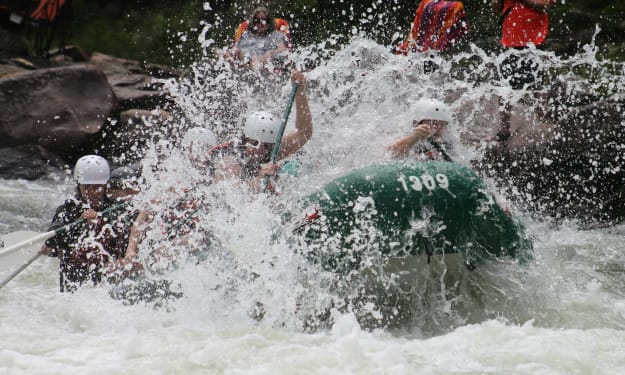
Rafting in Nepal: An Ultimate Adventure on Himalayan Rivers
Nepal is not just about trekking and mountains—it is also home to some of the best white-water rafting experiences in the world. With fast-flowing rivers originating from the Himalayas, Nepal offers thrilling rapids, scenic riverbanks, and a perfect mix of adventure and relaxation. Whether you're a beginner looking for a fun ride or an expert seeking extreme rapids, Nepal’s rivers have something for everyone. Rafting in Nepal is a fantastic way to explore the country from a unique perspective, traveling through deep gorges, lush forests, and remote villages while experiencing the raw power of Himalayan waters.
By Oliver Backman12 months ago in Earth
What’s Going On in the World Nowadays?
The world today feels louder, faster, and more divided than ever before. News travels in seconds, crises overlap, and societies are undergoing changes that once took decades to unfold. From political instability and economic pressure to rapid technological growth and shifting social values, humanity is standing at a crossroads. To understand what is truly going on in the world nowadays, we must look beyond headlines and examine the deeper forces shaping our present and future.
By shaoor afridi6 days ago in Earth
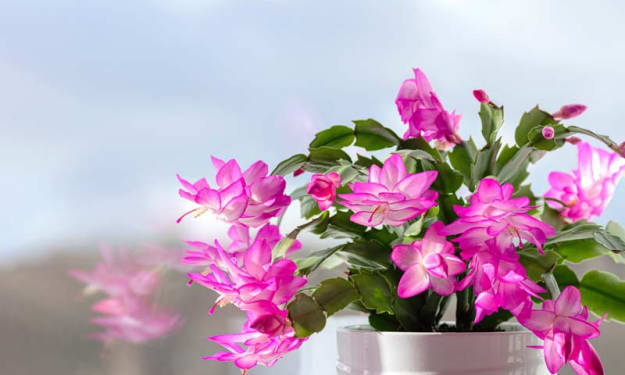
The Holiday Cactus Conundrum: Tell Your Thanksgiving, Christmas, and Easter Cactus Apart
A Trio of Holiday Classics First, a little botanical history to understand the confusion. All three plants are tropical cacti (epiphytes) native to the rainforests of Brazil, where they grow on trees. The Thanksgiving (Schlumbergera truncata) and Christmas (Schlumbergera × buckleyi) cacti are close cousins within the same genus. The Easter cactus (Hatiora gaertneri), however, has been reclassified into a different genus altogether, which explains its more significant differences.
By Emma Wallace3 days ago in Earth


Comments
There are no comments for this story
Be the first to respond and start the conversation.