
European Animals Denmark
The wildlife of the Northern European country of Denmark


The Northern European country of Denmark is a small Nordic country that is part of the Scandinavian countries along with Norway and Sweden. The country borders Germany to the south and the rest of the country is surrounded by the Atlantic Ocean including the North Sea and the Baltic Sea. The northern part of Denmark is comprised of a large peninsula called Jutland that connects to the European mainland and over 400 smaller islands.
Official National Mammal
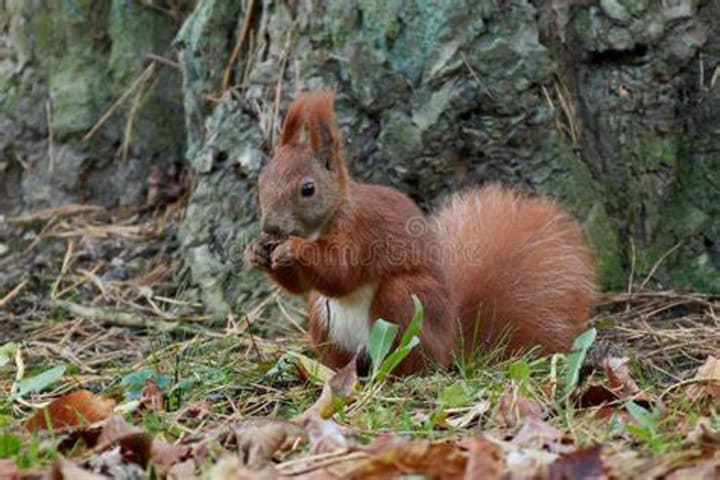
Red Squirrel
Official National Bird (Pictured above)
Mute swan
Official National Butterfly
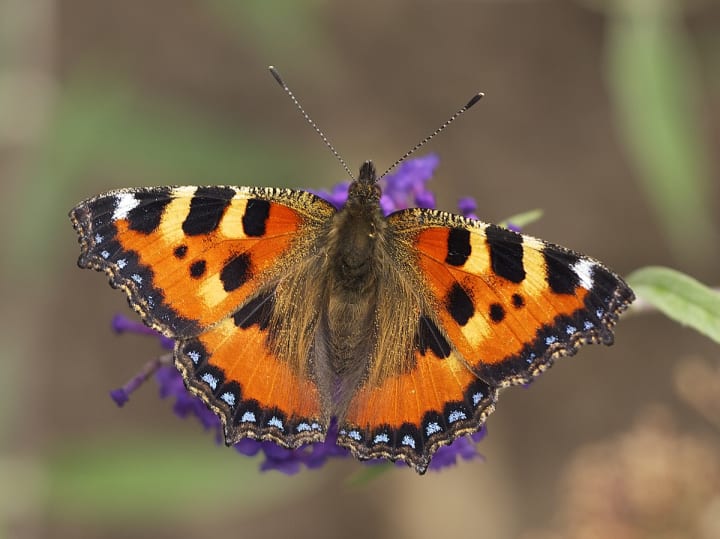
The small tortoiseshell
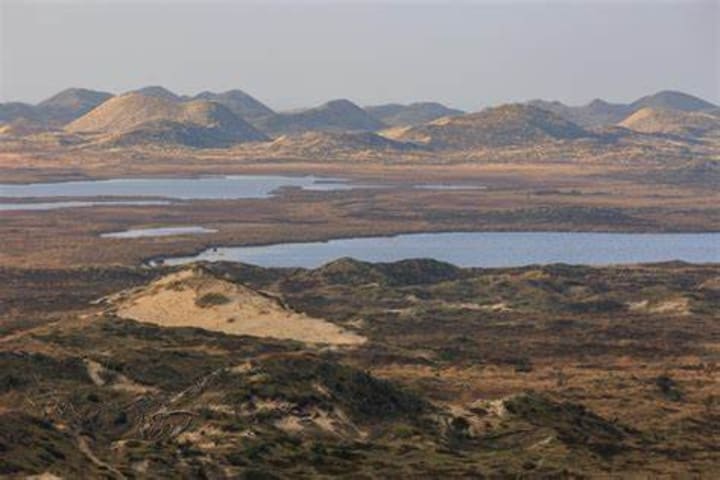
The Thy National Park is situated on the west of Jutland.
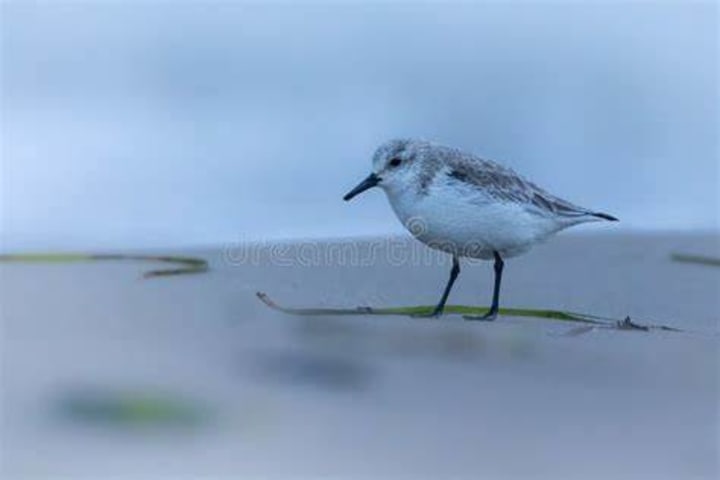
It is home to deer, toads, cranes, wood sandpipers, and rare breeding birds.
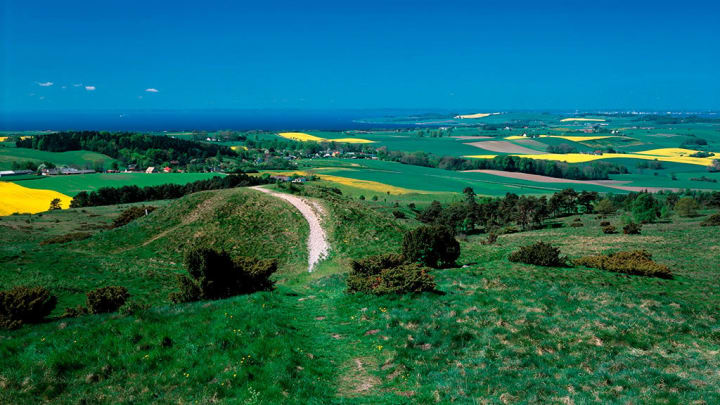
The Mols Bjerge National Park is located in eastern Jutland on Mols Hills.
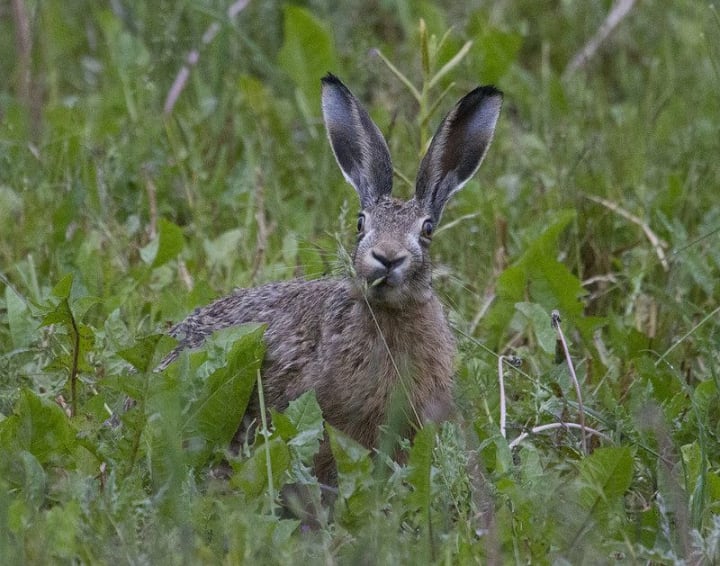
Wildlife making their homes here are foxes, hares, deer, lizards, snakes, nesting birds, sea birds, wading birds, and birds of prey.
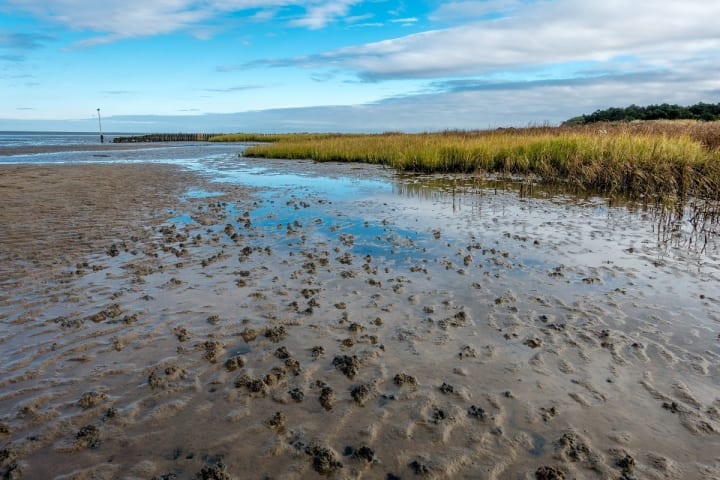
The Wadden Sea National Park is part of the UNESCO World Heritage site in the Wadden Sea. It is home to many migratory birds, a large number of fish, and semi-aquatic mammals.
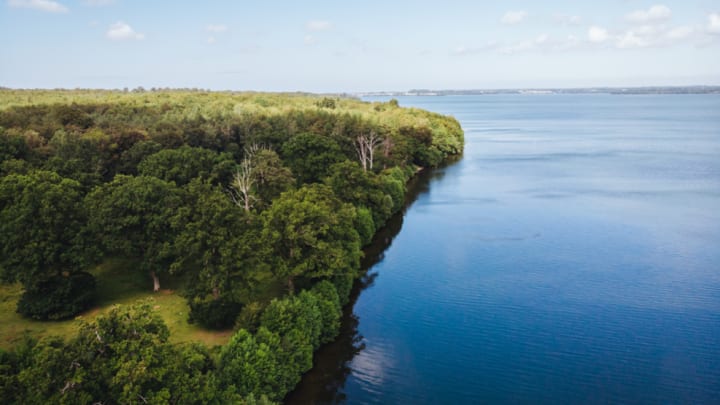
The Kongernes Nordsjaelland also referred to as the Royal North Zealand National Park is located to the north of the capital, Copenhagen on the island of Zealand. The park consists of the forest of Griboskov and the Esrum So Lake.
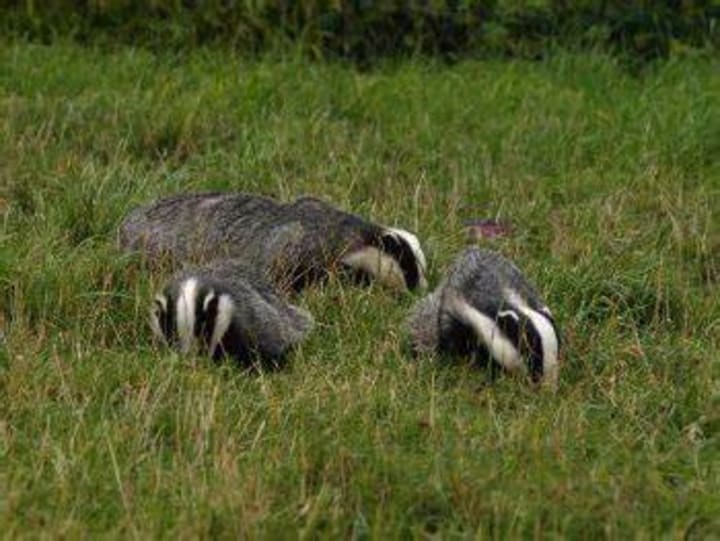
Animals here are deer, red foxes, badgers, woodpeckers, owls, eagles, and other species of birds.
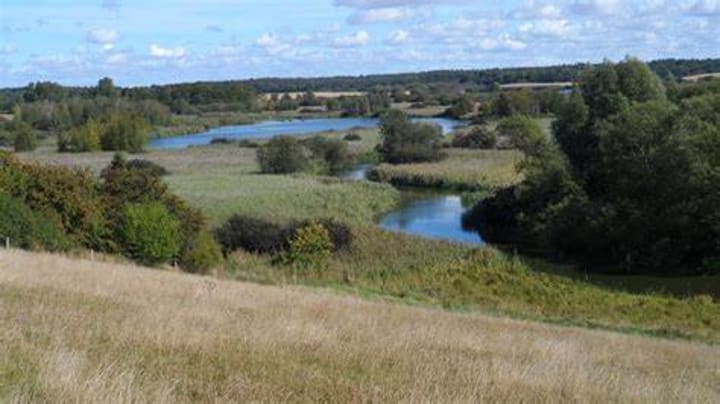
The Skjoldungernes Land National Park is located directly west of Copenhagen. The park includes local fjords, forests, and the UNESCO World Heritage site of Roskilde Cathedral.
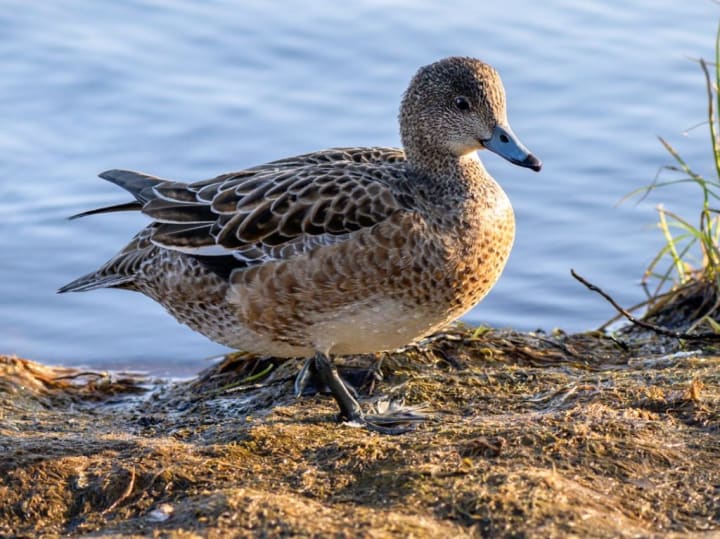
In the forest. you can find deer and foxes. In the fjords are gulls, terns, swans, eiders, geese, and ducks.
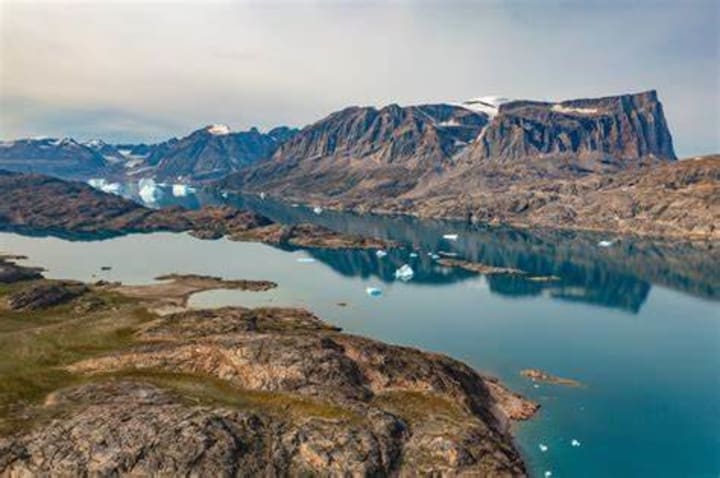
The Northeast Greenland National Park is the largest national park in the world.
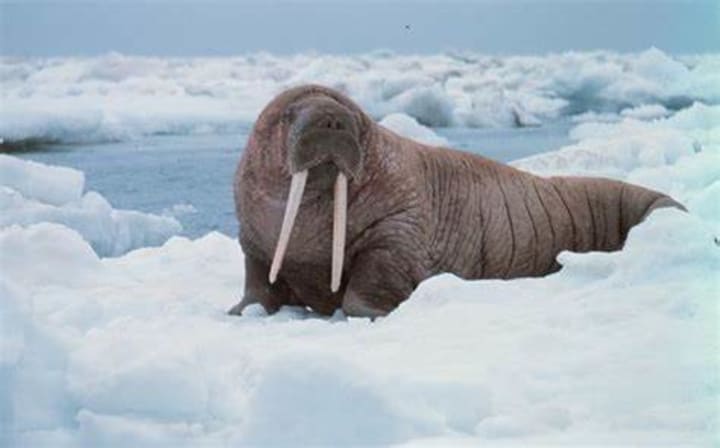
Here is a vast variety of animals including polar bears, walruses, Arctic foxes, Arctic hares, collared lemmings, Greenland wolves, and seals.
Animals Native to Denmark
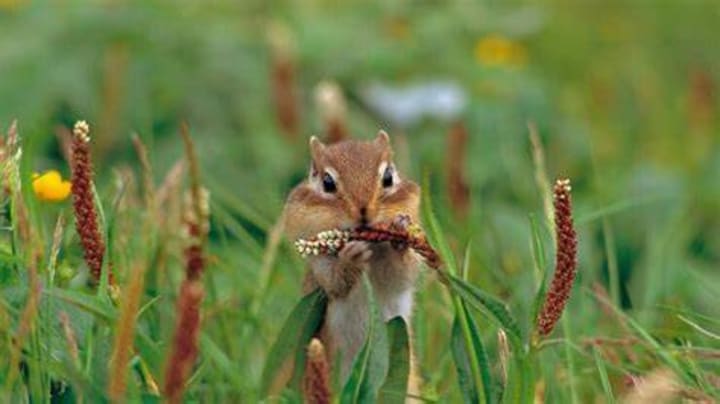
Siberian chipmunks are a species of rodents native to northern Asia, central Russia, China, Japan, and South Korea. They were imported as pets to Europe in the 1960s.

Nutrias are also referred to as the coypu. They are a species of large, herbivorous rodents. The animals are semiaquatic and feed on river plant stems.
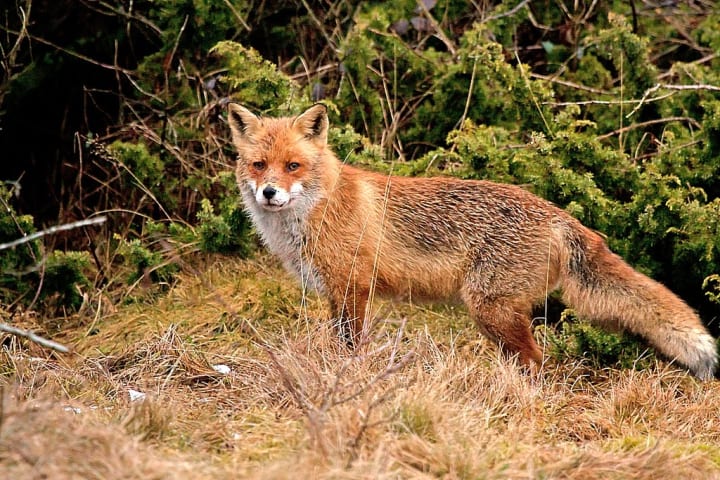
Red foxes are one of the most widely distributed species of carnivores in the world. They live in pairs or small groups.
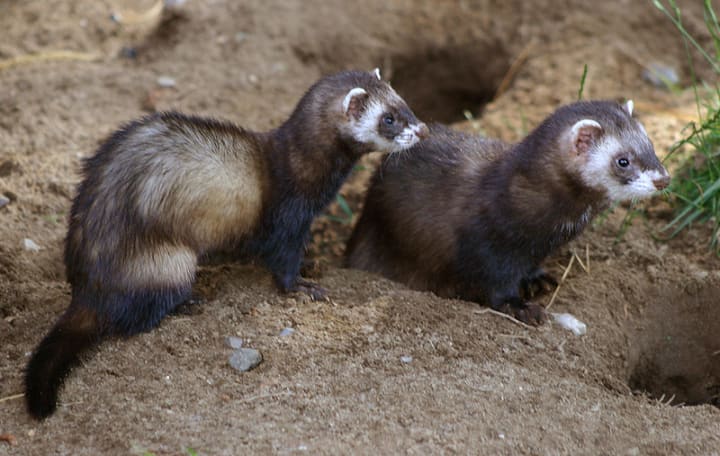
European polecats are a species of mustelids native to North Africa and western Eurasia. They are ancestors of ferrets.
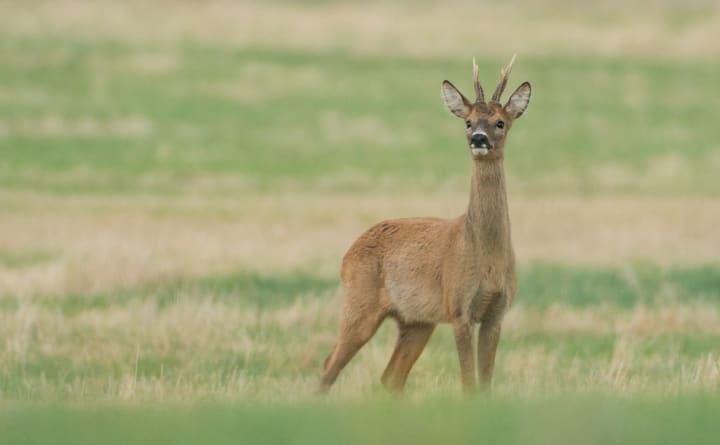
Roe deer are also known as European roe or western roe deer. This species of deer is native to Europe. They are small deer that have adapted well to cold environments. They can be found in various habitats like agricultural lands, dense forests, and grasslands.
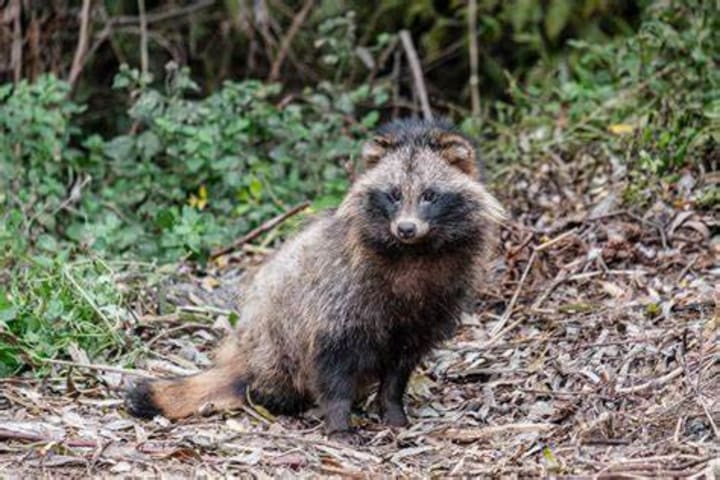
Raccoon dogs are a species of canids that are native to Vietnam and eastern Asia. They have been introduced to eastern Europe.
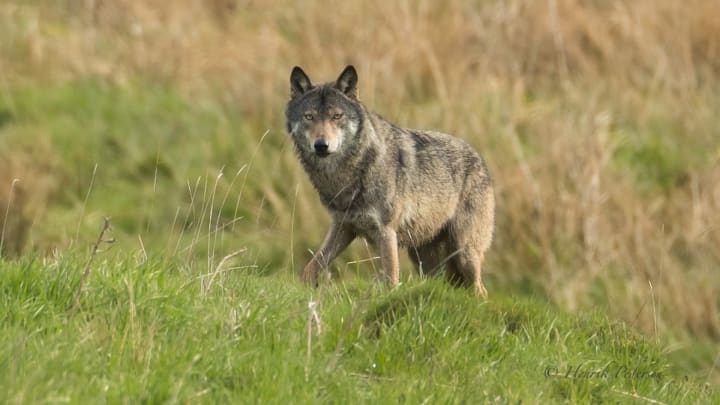
Gray wolves are a large species of canine that are native to Eurasia and North America.
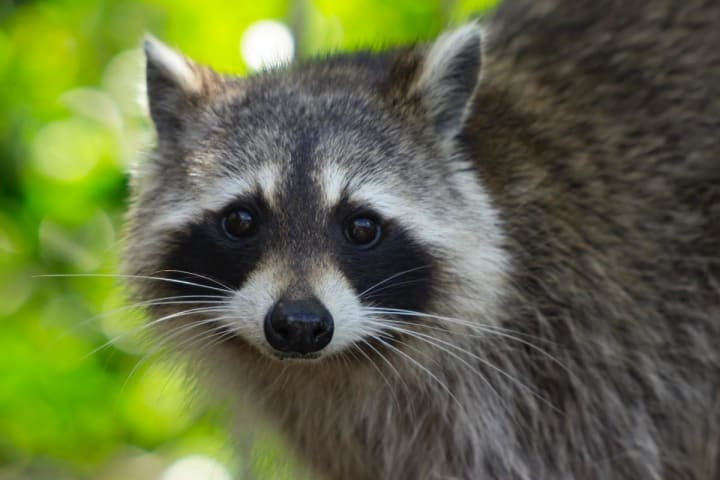
Raccoons are medium-sized mammals that are native to North America and other parts of the world like Europe.
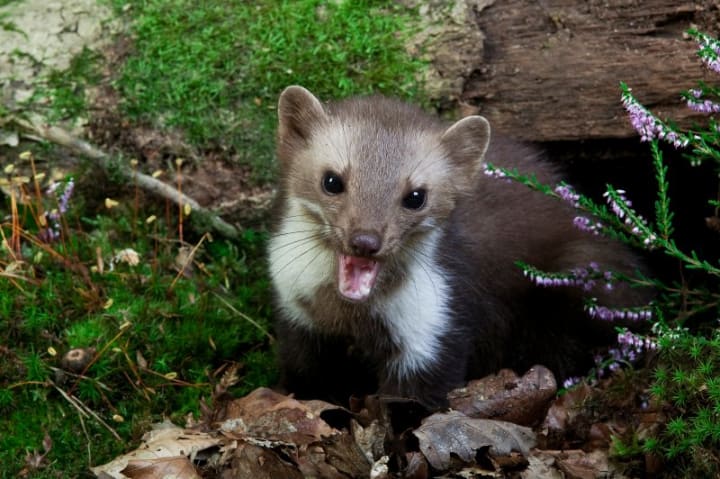
Beech martens are mammals that are native to most of Europe and Central Asia.
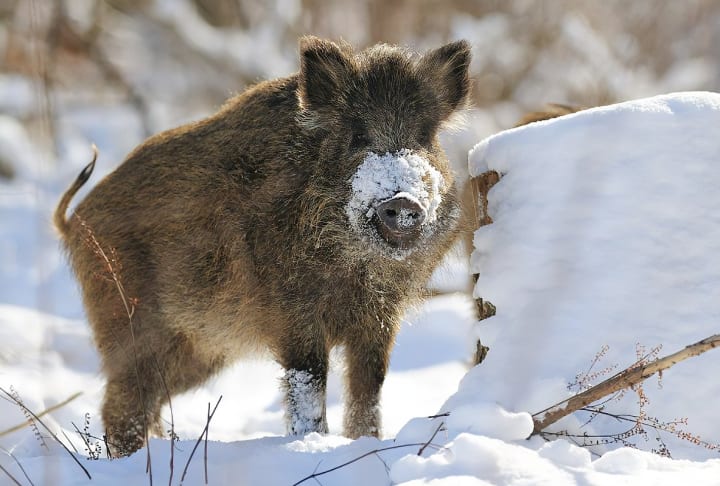
Wild boars are also known as Eurasian wild pigs.
Rarest Animals

Hooded seals are native to Denmark and Greenland. They are known for having large red sacks extending from their noses. They dive and swim in deep water to get food. Their diets consist of fish, squid, sea stars, mussels, shrimp, and octopuses. They are solitary animals and prefer cold climates and live on floating ice packs in the Atlantic.
Endangered Animals
Hooded seal
Eurasian beaver
Polar bear
About the Creator
Rasma Raisters
My passions are writing and creating poetry. I write for several sites online and have four themed blogs on Wordpress. Please follow me on Twitter.
Keep reading
More stories from Rasma Raisters and writers in Earth and other communities.
European Animals Cyprus and the Czech Republic
Wildlife of Cyprus Cyprus is a European country located in the Mediterranean Sea. It is south of Turkey and east of Greece. The countries of Egypt and Israel are to the north. Cyprus is the third-largest island, after Sicily and Sardinia.
By Rasma Raistersabout a year ago in Earth
Australia Horticulture Market: Climate-Smart Farming, Innovation & Food Security
Australia Horticulture Market Overview Australia’s horticulture market plays a vital role in the nation’s food system, rural economy and export portfolio. According to IMARC Group, The Australia horticulture market size reached USD 20.2 Billion in 2025. Looking forward, the market is projected to reach USD 33.4 Billion by 2034, exhibiting a growth rate (CAGR) of 5.75% during 2026-2034. This steady growth reflects rising domestic demand for fresh produce, expanding export opportunities, and increased investment in climate-resilient and sustainable farming practices.
By Amyra Singh6 days ago in Earth
Trump Calls UK’s Chagos Islands Sovereignty Decision an Act of ‘Great Stupidity’
Former U.S. President Donald Trump has criticized the United Kingdom’s decision to hand over sovereignty of the Chagos Islands to Mauritius, calling it an act of “great stupidity.” This high-profile statement has reignited debates over colonial legacies, geopolitical alliances, and the rights of local communities. While the issue may seem distant to many, it carries significant implications for global politics, regional stability, and the affected communities. The Chagos Islands, a strategically located archipelago in the Indian Ocean, have long been a point of contention between the UK, Mauritius, and the United States, which maintains a military base on Diego Garcia, one of the largest islands. The latest political statements have highlighted not only international disagreements but also how decisions by governments can affect local populations and global perceptions. Why the UK Is Handing Over the Chagos Islands The UK’s decision to transfer sovereignty to Mauritius comes after years of legal challenges and international pressure. The United Nations has repeatedly called for the return of the islands to Mauritius, stating that the previous detachment in 1965 was illegal. The move aims to: Resolve a longstanding international dispute Acknowledge the rights of the Chagossian people, many of whom were forcibly removed from the islands decades ago Comply with international law and UN recommendations For many in Mauritius and the Chagossian diaspora, the transfer represents justice and recognition of their historical grievances. Trump’s Criticism and Its Context Trump described the UK’s decision as “an act of great stupidity,” emphasizing strategic and military concerns. The United States relies on Diego Garcia for one of its key military bases, crucial for operations in the Indian Ocean region and beyond. From Trump’s perspective, the sovereignty transfer could: Complicate U.S. military logistics Create uncertainty over strategic agreements Signal weakness in alliances with close partners like the UK However, critics argue that such statements overlook the rights of the displaced Chagossian communities and the importance of resolving colonial-era injustices. Impact on Local Communities The Chagos Islands have a unique human story. In the 1960s and 1970s, the indigenous Chagossian population was forcibly removed to make way for a U.S. military base. Families were relocated to Mauritius, the Seychelles, and other areas, often under harsh conditions. The sovereignty transfer could: Support efforts for Chagossians to return home Enable compensation and recognition of historical wrongs Promote cultural and community restoration Community advocates argue that international legal decisions should prioritize the welfare and rights of displaced populations, not just geopolitical or strategic interests. Geopolitical Implications The dispute is more than a bilateral issue between the UK and Mauritius. It has global political ramifications, including: U.S.-UK relations: While the UK maintains a strategic alliance with the U.S., the sovereignty decision may raise tensions over military operations. Indian Ocean stability: The islands are located in a key maritime region, affecting naval operations, trade routes, and regional security. International law precedent: Recognizing Mauritius’ claim reinforces UN rulings on decolonization and territorial sovereignty. For communities that follow global politics, these dynamics highlight how high-level political decisions impact both strategy and society. Media and Public Reaction Trump’s comments have dominated media coverage, sparking debate in international communities and online forums. Public opinion is divided: Supporters of Trump’s viewpoint cite national security concerns and strategic importance. Critics highlight colonial injustices and the need to respect the rights of indigenous populations. Social media discussions reveal growing interest in the balance between military strategy and human rights, showing that global decisions resonate with everyday communities. Legal and Ethical Considerations The transfer of the Chagos Islands raises several legal and ethical issues: Sovereignty and Self-Determination: The Chagossian people’s right to return and their cultural identity must be respected. Colonial History: Addressing past injustices is an ethical obligation for governments involved in colonial-era displacement. Military Agreements: Ensuring strategic stability while honoring international law is a complex balancing act. Legal scholars note that this case could set a precedent for other disputed territories, influencing how communities worldwide perceive justice, sovereignty, and rights. Why This Matters to Communities Even though the Chagos Islands are remote, the controversy touches on community awareness and engagement: Diaspora Communities: Chagossians and Mauritians see this as a historic moment affecting their families and heritage. Global Citizens: People interested in human rights and international law follow such cases to understand justice and accountability. Policy Advocates: NGOs and advocacy groups use this dispute to promote awareness of displacement, sovereignty, and ethical governance. In short, political decisions at the top level ripple down to real people, influencing lives, cultural identity, and community cohesion. Looking Ahead The future of the Chagos Islands will depend on: Implementation of sovereignty transfer: Ensuring legal and diplomatic arrangements are respected. U.S.-UK negotiations: Maintaining strategic interests while addressing human rights. Chagossian return programs: Supporting the restoration of communities affected by displacement. The controversy is a reminder that politics and community welfare are intertwined, and decisions made in boardrooms or government offices can have lasting effects on populations far from the center of power. The Takeaway Trump’s statement about the Chagos Islands sovereignty highlights the tension between geopolitical strategy and community justice. While international relations and military interests are important, the voices of the displaced Chagossian community cannot be ignored. For communities following global politics, the case demonstrates how: International decisions affect local populations Human rights and sovereignty are key considerations Awareness and advocacy by communities can influence global policy As debates continue, the story of the Chagos Islands serves as a reminder that political and strategic choices have human consequences, and that protecting community rights is as vital as maintaining alliances.
By Muhammad Hassan7 days ago in Earth
Affection and Healing for Yourself
During the night of the last quarter moon, I gathered my ritual supplies. I carefully handled the chunk of black tourmaline that would protect me from your overall negative and narcissistic energy. I carefully walked the house with my stick of selenite in hand, asking the universe to cleanse our working space.
By Alisha Wilkins ✒️🦋🖋️7 days ago in Fiction



Comments
There are no comments for this story
Be the first to respond and start the conversation.