
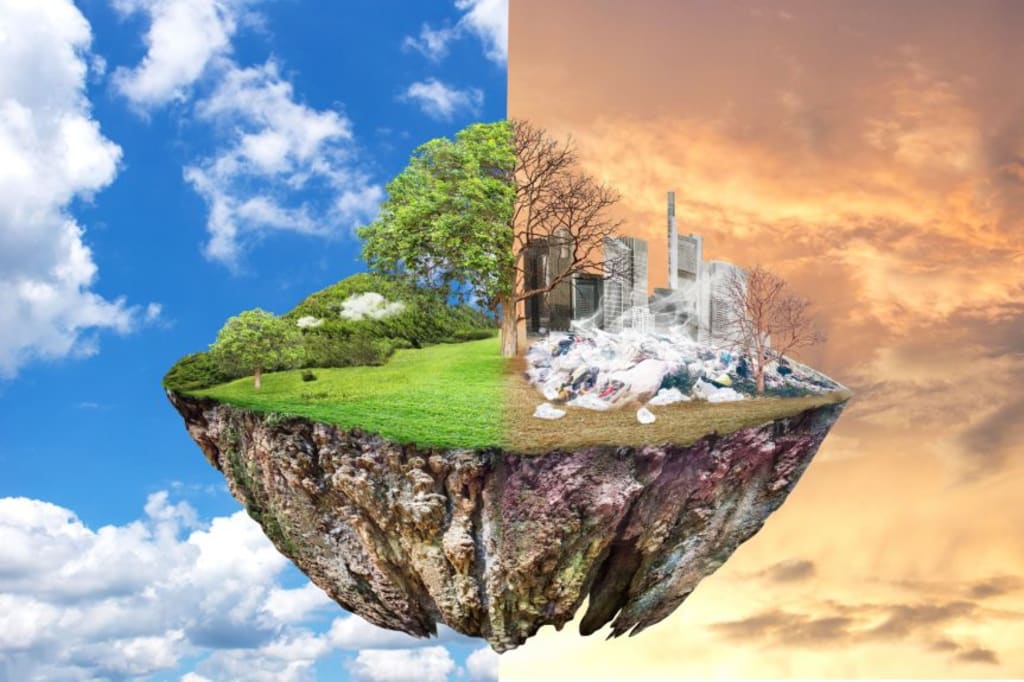
Start writing...Environmental pollution refers to the presence or introduction into the environment of substances or things that have harmful or damaging effects on living organisms and the natural world. These substances and things can include chemicals, waste materials, noise, and radiation, among others.
Pollution can occur in different forms, including air pollution, water pollution, soil pollution, and noise pollution, among others. Each type of pollution can have harmful effects on human health, wildlife, and ecosystems, and can contribute to climate change and other environmental problems.
Sources of pollution can include industrial activities, transportation, agriculture, and households, among others. Addressing environmental pollution requires a combination of measures, including regulation and enforcement, technological solutions, and changes in individual behavior and consumption patterns.
Reducing environmental pollution requires a multifaceted approach that involves a combination of measures and actions. Some effective ways to reduce environmental pollution include:
1. Reduce, Reuse, and Recycle: Reducing waste by reusing and recycling materials can significantly reduce the amount of waste that ends up in landfills and incinerators, which can release harmful pollutants into the air and water. It also helps to conserve natural resources and reduce energy consumption.
2. Use Clean Energy Sources: Transitioning to clean energy sources such as wind, solar, and hydro power can help reduce air pollution from fossil fuel combustion and lower greenhouse gas emissions that contribute to climate change.
3. Use Public Transportation: Using public transportation, carpooling, biking, or walking instead of driving alone can help reduce air pollution from vehicle emissions.
4. Properly Dispose of Hazardous Waste: Properly disposing of hazardous waste such as batteries, electronics, and chemicals can help prevent them from contaminating the environment and harming human health.
5. Support Environmental Regulations: Supporting and advocating for environmental regulations and policies that aim to reduce pollution can help hold polluters accountable and encourage cleaner production practices.
6. Adopt Sustainable Practices: Adopting sustainable practices such as using eco-friendly products, reducing water consumption, and conserving energy can help reduce pollution and protect the environment.
Overall, reducing environmental pollution requires a collective effort from individuals, businesses, and governments. By taking action and making changes in our daily lives, we can help preserve the environment for future generations.Yes, it is essential for governments to take the initiative to reduce environmental pollution. Governments have a responsibility to protect the environment and public health by implementing policies and regulations that promote sustainable development and reduce pollution.
Governments can take several actions to reduce environmental pollution, including:
1. Promoting and investing in clean energy sources such as wind, solar, and hydro power.
2. Regulating emissions from factories, power plants, and transportation.
3. Encouraging sustainable practices in agriculture, forestry, and fishing.
4. Supporting the development and use of eco-friendly products.
5. Investing in public transportation infrastructure to reduce reliance on personal vehicles.
6. Implementing waste reduction and recycling programs.
7. Establishing protected areas to conserve biodiversity and ecosystems.
By taking these actions, governments can help reduce environmental pollution and protect public health. However, it is also important for individuals and businesses to take responsibility for their own actions and adopt sustainable practices to reduce their environmental footprint.Pollution has a significant impact on the environment, including:
1. Air Pollution: The release of harmful gases and particulate matter from industry, transportation, and other sources can lead to respiratory problems, acid rain, and depletion of the ozone layer.
2. Water Pollution: Release of pollutants like chemicals, sewage, and waste materials into water bodies leads to contaminated water resources, which can lead to the death of aquatic life and harm human health.
3. Land Pollution: Dumping of waste materials in open areas leads to soil contamination and adversely affects the fertility of the soil, leading to a reduction in plant and animal life.
4. Noise Pollution: Excess noise causes damage to hearing as well as detrimental to physical and mental health.
5. Climate Change: The release of greenhouse gases like carbon dioxide, methane, and nitrous oxide, leads to global warming and extreme weather conditions.
All these effects of pollution are destructive and may be irreversible, posing a significant threat to the environment and its inhabitants if not addressed correctly and timely.
About the Creator
Keep reading
More stories from Sakshi Verma and writers in Earth and other communities.
Impact of internet
Start writing...The internet has had a significant impact on many aspects of our lives, including: 1. Communication: The internet has revolutionized the way we communicate with each other. We can now easily send emails, instant messages, and video chats with people from all over the world.
By Sakshi Verma3 years ago in Earth
The Sky Adorned with Stars: Nature’s Most Beautiful Crown
On a clear night, when the lights of cities fade and the air grows still, the sky reveals one of nature’s most breathtaking sights — a vast canvas filled with shining stars. The phrase “the sky adorned with stars” perfectly captures the beauty of this moment, as if the heavens themselves are wearing a glittering crown. For thousands of years, humans have gazed upward in awe, wondering about the countless lights scattered across the darkness.
By Irshad Abbasi 5 days ago in Earth
Silken Chains
Silhouettes of the female form were given flesh and bone. Silken skin glistened under the spotlight. Dry ice rose around our Icons as they danced atop their podiums in the Square. Heralded for their beauty, their movements were slight, powerful, and sensual.
By Paul Stewart7 days ago in Fiction


Comments
There are no comments for this story
Be the first to respond and start the conversation.