

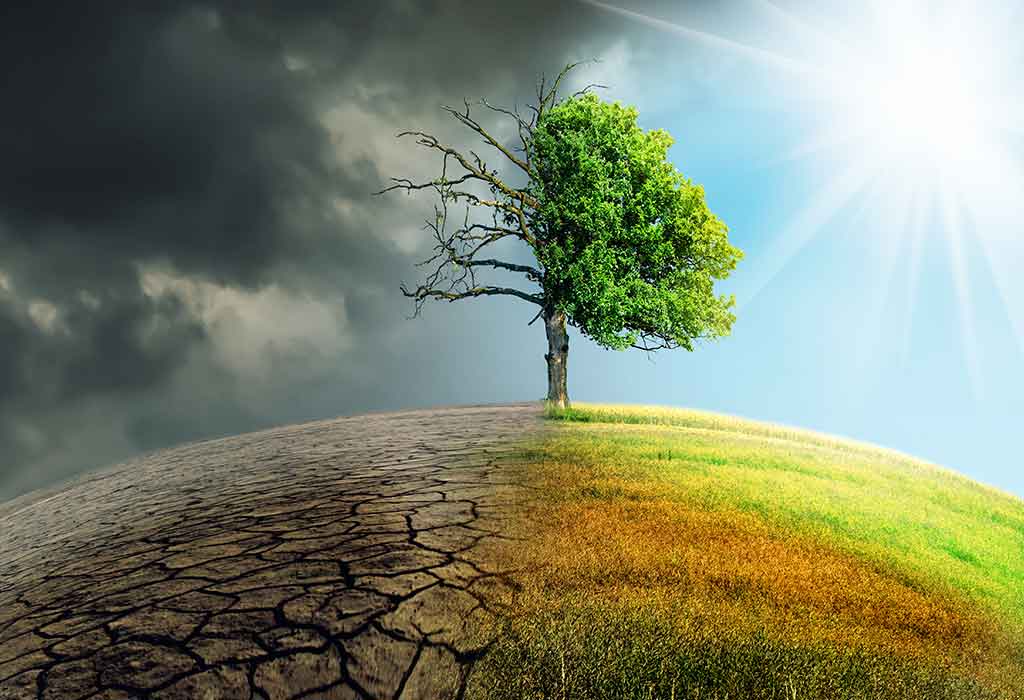
Environmental Pollution: Causes, Effects, and Solutions
Environmental pollution is a major issue facing our planet today. It is the result of human activities that have significantly impacted our natural surroundings, affecting the health and well-being of all living things. Pollution is the introduction of harmful substances into the environment that cause adverse effects on living organisms, natural resources, and the overall ecological balance.
Causes of Environmental Pollution
The primary causes of environmental pollution are human activities. These include industrialization, urbanization, deforestation, transportation, and agriculture. The increasing demand for energy and raw materials has resulted in the growth of industries that release pollutants into the air, water, and soil. The use of fossil fuels such as coal, oil, and gas for energy generation has also contributed significantly to environmental pollution.
Urbanization has led to the expansion of cities, resulting in increased use of vehicles, construction, and waste disposal. This has caused air pollution, water pollution, and soil pollution. Deforestation, on the other hand, has led to soil erosion, loss of biodiversity, and the destruction of habitats. Agriculture practices such as the use of fertilizers and pesticides have also contributed to environmental pollution by contaminating soil and water.
Effects of Environmental Pollution
Environmental pollution has a range of effects on the health of humans, animals, and plants. Air pollution, for example, can cause respiratory problems, heart disease, and other chronic illnesses. Water pollution can lead to the spread of waterborne diseases, while soil pollution can affect the growth of crops and contaminate food.
Environmental pollution also has economic implications. The degradation of natural resources can result in the loss of biodiversity, which is critical for the survival of many species. It can also lead to reduced agricultural yields, which can affect food security. The effects of environmental pollution on the economy can be long-lasting, resulting in significant financial losses.
Solutions to Environmental Pollution
There are several ways to mitigate environmental pollution. One of the most effective solutions is to reduce the use of fossil fuels and promote the use of renewable energy sources. This can be achieved through the development of wind and solar power, as well as the use of electric vehicles.
Efforts to reduce waste generation can also help to mitigate environmental pollution. This can be achieved through the use of recycling and composting. Sustainable agriculture practices, such as the use of organic farming techniques, can help to reduce the use of harmful pesticides and fertilizers.
To address the issue of air pollution, governments can introduce stricter regulations on emissions from industries and vehicles. This can include the use of emissions standards, the promotion of public transportation, and the adoption of alternative fuel technologies.
The article "Environmental Pollution: Causes, Effects, and Solutions" discusses the pressing issue of environmental pollution and its impact on the health and well-being of all living things. The article delves into the various causes of environmental pollution, highlighting human activities such as industrialization, urbanization, deforestation, transportation, and agriculture.
The effects of environmental pollution on human health, animal life, and plants are also discussed in great detail. The article notes that environmental pollution can cause respiratory problems, heart disease, waterborne diseases, soil erosion, loss of biodiversity, and reduced agricultural yields. Additionally, the article explains how environmental pollution can have a significant impact on the economy, resulting in financial losses.
The article goes on to provide several solutions to mitigate environmental pollution. These solutions include reducing the use of fossil fuels and promoting the use of renewable energy sources, such as wind and solar power. The article also highlights the importance of reducing waste generation through recycling and composting, adopting sustainable agriculture practices, and introducing stricter regulations on emissions from industries and vehicles.
Overall, the article emphasizes the urgent need to take action against environmental pollution to ensure the health and well-being of current and future generations. It presents a comprehensive overview of the issue and provides practical solutions that can be implemented at individual, organizational, and governmental levels to mitigate environmental pollution.
About the Creator
Ihsan Alp
I am a freelancer with very high knowledge of writing, translation and software programs.
The Most Unusual Animals
Beefalo are the result of domestic cattle crossed with bison. They are hardy animals that produce leaner, healthier meat. Beefalo have become resilient creatures able to thrive in harsh conditions where regular cattle would struggle. They require less water and feed and resist disease better.
By Rasma Raistersabout 2 hours ago in Earth



Comments
There are no comments for this story
Be the first to respond and start the conversation.