
Embracing Independance: The Ultimate Guide To Self Sufficient Living For A Sustainable Future
Unlocking The Power of Self-Reliance, Resilience And Eco-Friendliness For A Harmonious Tomorrow
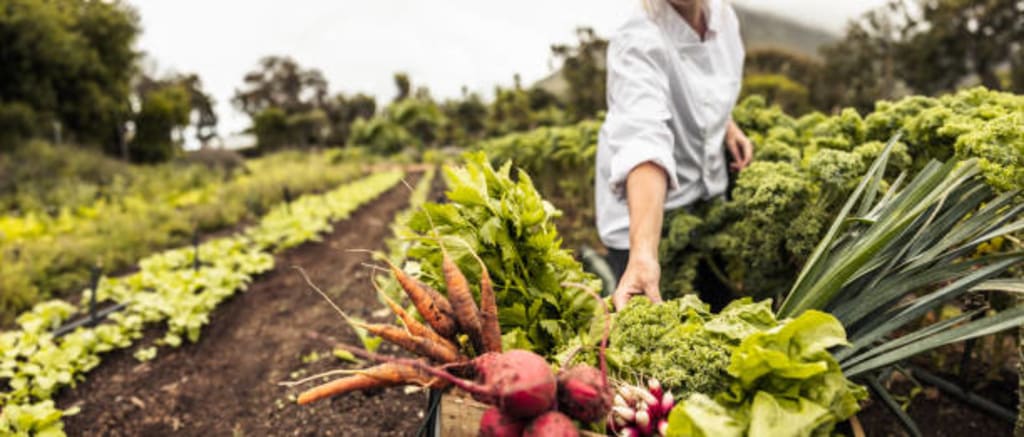
Welcome to the ultimate guide to self-sufficient living, where we embark on a journey towards a sustainable future. In a world facing environmental challenges and resource scarcity, self-sufficiency offers a powerful solution. By embracing independence, we can tap into the power of self-reliance, resilience, and eco-friendliness. This guide will walk you through the essentials of self-sufficient living, providing you with the tools and knowledge to create a harmonious tomorrow for yourself and the planet.
The Essence of Self-Sufficient Living:
At its core, self-sufficient living is about reducing dependence on external systems and resources while maximizing our ability to meet our own needs. It involves developing skills and adopting practices that enable us to produce our food, generate energy, manage waste, and cultivate a sustainable lifestyle. By doing so, we become less reliant on fragile supply chains and contribute to a more resilient and sustainable society.
Building a Self-Sufficient Home:
The foundation of self-sufficient living lies in creating a sustainable home. Start by optimizing energy efficiency through insulation, smart design, and using renewable energy sources like solar panels. Consider rainwater harvesting systems, composting toilets, and greywater recycling to reduce water consumption. Embrace permaculture principles to create an abundant and productive garden, providing fresh produce year-round. Additionally, explore alternative building materials such as reclaimed wood or earth-friendly options like straw bales.
Growing Your Own Food:
One of the most rewarding aspects of self-sufficient living is cultivating your own food. Whether you have a backyard, balcony, or even just a windowsill, you can grow herbs, vegetables, and fruits. Start small and gradually expand your garden as you gain experience. Explore techniques like companion planting, vertical gardening, and aquaponics to maximize space and productivity. Don't forget to save seeds for future harvests and practice organic gardening methods to protect your health and the environment.
Harnessing Renewable Energy:
Self-sufficiency extends to energy generation. Investing in renewable energy sources such as solar panels or wind turbines allows you to reduce or eliminate reliance on the grid. Assess your energy needs and explore the feasibility of different options. Battery storage systems can store excess energy for later use, ensuring a consistent power supply. Efficient energy use through LED lighting, energy-saving appliances, and conscious habits further enhances your self-sufficiency.
Resource Management and Waste Reduction:
Self-sufficient living emphasizes responsible resource management and waste reduction. Implement a recycling and composting system to minimize landfill waste. Repurpose materials whenever possible, reducing the need for new purchases. Consider rainwater harvesting and water-efficient fixtures to conserve water. Efficiently manage organic waste through composting, turning it into nutrient-rich soil for your garden. By being mindful of our consumption and waste, we contribute to a more sustainable future.
Conclusion:
Congratulations on embarking on the path of self-sufficient living! By embracing independence and adopting self-reliant practices, you are taking an active role in creating a sustainable future. Remember that self-sufficiency is a journey, and it's important to start small, be patient, and continually learn and adapt. As you build your self-sufficient lifestyle, inspire and educate others to join the movement. Together, we can unlock the power of self-reliance, resilience, and eco-friendliness, and pave the way for a harmonious tomorrow.
About the Creator
Keep reading
More stories from writers in Earth and other communities.
Dollar Falls to Four-Year Low as Trump Insists US Currency Is ‘Doing Great’
The US dollar has fallen to its lowest level in four years, rattling global currency markets and reigniting debate over the strength of the world’s dominant reserve currency. The decline comes amid mounting economic uncertainty, shifting interest rate expectations, and renewed political rhetoric—most notably from former President Donald Trump, who has insisted that the US currency is “doing great.”
By Aarif Lashari5 days ago in Earth
The One Problem
(This essay transforms the fragmented material into a single philosophical, future-oriented but non-naive vision. It treats humanity’s problems as one problem: governance understood as the art of living together over time, under shared responsibility, memory, and judgement. It avoids utopian innocence, and stages the solution historically: 2026, 2050, 2075, 2100.)
By Peter Ayolov3 days ago in Earth
Trouble at the Tea Leafing Café
The rain had started right around the time that Annie was buttering her second thick slice of homemade toast for breakfast, and hadn’t paused since. Not that anyone could tell. The windows of the café were fogged over, and with every seat filled with happy customers munching on fresh baked pastries or steaming bowls of the delicious soup of the day, it was hardly surprising. Annie looked around the room, finally taking a moment to breathe after the lunch time rush. Her old life already felt like a bad memory, a part of her history, always, but just that. History.
By Hannah Moore3 days ago in Fiction
Living in a hemp house
Hemp, a multi-purpose crop that delivers fibres, shivs, seeds, and pharmaceuticals is currently used in insulation materials and bio-composites for a more sustainable construction industry. Russ Martin and his wife Karon Korp tell their story as owners of the first hemp house in the U.S.
By Susan Fourtané 7 days ago in Interview



Comments
There are no comments for this story
Be the first to respond and start the conversation.