
Elephant Tourism
Responsible Approaches and Ethical Considerations.
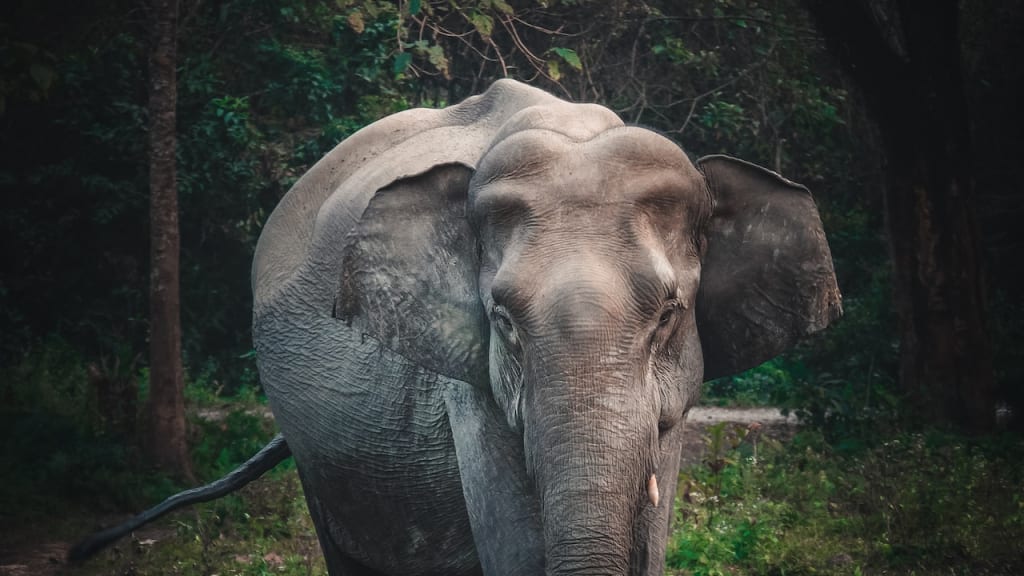
Title: Elephant Tourism: Responsible Approaches and Ethical Considerations
Introduction :
Elephant tourism is a popular industry in many parts of the world, attracting tourists who seek unique experiences and interactions with these majestic creatures. However, it is crucial to approach elephant tourism with responsibility and ethical considerations. The well-being and welfare of the elephants should be prioritized to ensure sustainable practices that protect these endangered species. This article will explore responsible approaches to elephant tourism and shed light on the ethical considerations involved.
Elephants have long captivated the human imagination with their majesty and intelligence. Unfortunately, the rise of elephant tourism has given rise to numerous ethical concerns regarding their treatment and welfare. As responsible travelers, it is essential to understand the ethical considerations involved in engaging with elephant tourism. This article aims to explore responsible approaches to elephant tourism and shed light on the importance of promoting ethical practices that prioritize the well-being of these magnificent creatures.
1. Promoting Natural Habitat Conservation :
Responsible elephant tourism should prioritize the conservation of the elephants' natural habitat. Encouraging initiatives that protect and restore their habitats helps ensure the long-term well-being of these animals. Tour operators can support local conservation organizations and advocate for sustainable land-use practices to preserve the natural ecosystems in which elephants thrive. By promoting natural habitat conservation, tourists can witness elephants in their natural environment, fostering a more authentic and respectful experience.
2. Emphasizing Non-Intrusive Observation :
To ensure ethical elephant tourism, it is essential to emphasize non-intrusive observation methods. Tourists should be encouraged to observe elephants from a distance, allowing the animals to maintain their natural behaviors and avoid unnecessary stress. This approach helps prevent negative impacts on the elephants' physical and psychological well-being. Responsible tour operators should provide guidelines to visitors, promoting respectful behavior and discouraging activities that may disturb or harm the elephants.
3. Supporting Responsible Sanctuaries and Rescue Centers :
Choosing responsible sanctuaries and rescue centers is crucial in promoting ethical elephant tourism. These organizations prioritize the well-being and welfare of elephants, providing them with suitable living conditions and proper care. Responsible sanctuaries focus on rescue and rehabilitation, allowing elephants to live as closely as possible to their natural habitat. Tourists should research and select reputable sanctuaries that adhere to ethical standards, ensuring that their visits contribute to the elephants' well-being and conservation efforts.
4. Education and Awareness :
Education and awareness play a vital role in promoting responsible elephant tourism. Tourists should be informed about the threats faced by elephants, such as poaching and habitat loss, and the importance of conservation efforts. By understanding the challenges these animals face, visitors can make informed choices and support initiatives that prioritize the elephants' welfare. Tour operators can incorporate educational programs into their itineraries, raising awareness about elephant conservation and encouraging responsible behavior among tourists.
Conclusion :
Elephant tourism can provide incredible opportunities for people to connect with these magnificent animals. However, it is crucial to approach such experiences responsibly and ethically. By prioritizing natural habitat conservation, promoting non-intrusive observation, supporting responsible sanctuaries, and fostering education and awareness, we can ensure the well-being and welfare of elephants while contributing to their conservation. Responsible elephant tourism not only provides a unique and memorable experience for tourists but also supports sustainable practices that protect these endangered species for generations to come.
As travelers, it is our responsibility to consider the ethical implications of engaging with elephant tourism. By supporting responsible approaches, such as visiting reputable sanctuaries, promoting education and awareness, and advocating for legislative measures, we can contribute to the well-being and conservation of elephants. It is through these efforts that we can create a positive change and ensure a more compassionate and sustainable future for these magnificent creatures. Remember, our choices as tourists can make a significant impact on the lives of elephants and the communities that depend on them.
About the Creator
Ayaanahamed
Blogs Writer......
Keep reading
More stories from Ayaanahamed and writers in Earth and other communities.
Elephant Habitat
Elephant Habitat: Exploring their Diverse Natural Environments Elephants, the majestic giants of the animal kingdom, have captivated our imagination for centuries. These magnificent creatures are not only known for their sheer size and strength but also for their unique and diverse natural habitats. From lush rainforests to vast grasslands and even arid deserts, elephants have adapted to thrive in a wide range of environments across the globe. In this article, we will delve into the fascinating world of elephant habitats and explore how these incredible animals have evolved to survive in their diverse natural environments.
By Ayaanahamed3 years ago in Earth
Why Peet’s Coffee Is Closing Multiple Bay Area Shops After the Keurig Dr Pepper Takeover
Coffee shops are more than places where we grab a morning latte. Especially in the Bay Area, Peet’s Coffee has been part of many people’s daily routines, college memories, and work‑meeting rituals. So when customers learned that several Bay Area locations were closing just months after Peet’s was acquired by Keurig Dr Pepper, the reaction wasn’t just curiosity — it was emotional.
By Muhammad Hassanabout 18 hours ago in Earth
Rice Market Size and Forecast 2025: A Global Staple Navigating Growth, Trade, and Transformation
Global Rice Market Outlook: Growth Rooted in Necessity Rice is more than just a crop — it is the backbone of food security for billions. As one of the world’s most consumed cereal grains, rice continues to play a central role in global agriculture, nutrition, and trade. According to Renub Research, the global rice market is projected to reach US$ 378.41 billion by 2033, up from US$ 305.14 billion in 2024, growing at a CAGR of 2.42% from 2025 to 2033.
By Sushant. Renub Research2 days ago in Earth
Affection and Healing for Yourself
During the night of the last quarter moon, I gathered my ritual supplies. I carefully handled the chunk of black tourmaline that would protect me from your overall negative and narcissistic energy. I carefully walked the house with my stick of selenite in hand, asking the universe to cleanse our working space.
By Alisha Wilkins ✒️🦋🖋️3 days ago in Fiction


Comments
There are no comments for this story
Be the first to respond and start the conversation.