
Elephant Habitat
Exploring their Diverse Natural Environments.
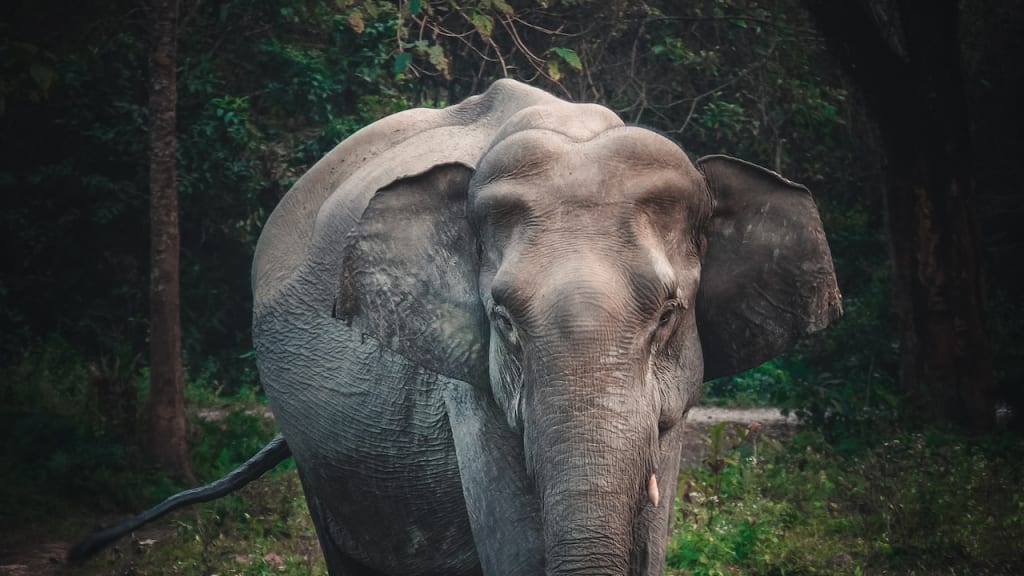
Elephant Habitat: Exploring their Diverse Natural Environments
Elephants, the majestic giants of the animal kingdom, have captivated our imagination for centuries. These magnificent creatures are not only known for their sheer size and strength but also for their unique and diverse natural habitats. From lush rainforests to vast grasslands and even arid deserts, elephants have adapted to thrive in a wide range of environments across the globe. In this article, we will delve into the fascinating world of elephant habitats and explore how these incredible animals have evolved to survive in their diverse natural environments.
One of the most iconic elephant habitats is the African savannah. With its sweeping grasslands, scattered acacia trees, and meandering rivers, the savannah provides an ideal home for elephants. Here, these gentle giants form complex social structures and live in large herds, often consisting of females and their young calves. The savannah offers an abundance of vegetation, including grasses, shrubs, and tree leaves, which make up the bulk of an elephant's diet. Despite the vastness of the savannah, elephants are also known to undertake long-distance migrations in search of food and water during the dry season.
Moving from the grassy plains of Africa to the dense jungles of Southeast Asia, we encounter another fascinating elephant habitat. The lush rainforests of countries like Thailand, Indonesia, and Malaysia are home to the Asian elephant, a slightly smaller cousin of its African counterpart. In these dense and diverse forests, elephants navigate through thick vegetation using their incredible strength and agility. The Asian elephant is a keystone species, playing a crucial role in maintaining the balance of the ecosystem. By dispersing seeds through their droppings and creating pathways in the undergrowth, they contribute to the regrowth and vitality of the rainforest.
While grasslands and rainforests are well-suited for elephants, they have also managed to adapt to more challenging environments. Take, for example, the deserts of Namibia in southwestern Africa. Here, elephants have evolved unique strategies to survive in the harsh, arid conditions. They are capable of traveling long distances in search of water sources, utilizing their exceptional memory to remember the locations of water holes, often hidden beneath the desert sands. These desert-dwelling elephants have also developed physical adaptations, such as longer legs and larger feet, to help them traverse the sandy terrain more efficiently.
In addition to the African and Asian continents, elephants have also inhabited the islands of Southeast Asia. The tropical forests of Sumatra and Borneo, for instance, provide a rich habitat for the critically endangered Borneo pygmy elephants. These diminutive elephants, measuring about two to three meters tall, are the smallest subspecies of elephant in the world. They navigate through the dense vegetation and wetlands of the islands, feeding on a variety of plants, fruits, and even the bark of trees. Their survival is closely intertwined with the preservation of their forest habitat, as deforestation poses a significant threat to their existence.
As we explore these diverse elephant habitats, it becomes evident that conservation efforts are crucial for the long-term survival of these magnificent creatures. Human activities such as poaching, habitat destruction, and climate change have put elephants at risk, pushing them closer to the brink of extinction. Protecting their natural environments, establishing wildlife reserves, and promoting sustainable practices are essential for ensuring the future of elephants and the preservation of their diverse habitats.
In conclusion, elephants have adapted to a remarkable array of natural environments, ranging from the savannahs of Africa to the rainforests of Southeast Asia and even the deserts of Namibia. These habitats shape their behavior, social structures, and physical characteristics. By understanding and appreciating the intricacies of elephant habitats, we can work towards safeguarding these majestic animals and the ecosystems they call home.
About the Creator
Ayaanahamed
Blogs Writer......
Keep reading
More stories from Ayaanahamed and writers in Earth and other communities.
The Elephant Family
The Elephant Family: Discovering the Complexities of Their Social Structure Elephants, with their massive size and gentle demeanor, have long captured the fascination and admiration of people around the world. These intelligent creatures possess a remarkable social structure that is both intricate and fascinating. Within the elephant family, a complex web of relationships and hierarchies exists, shaping their interactions and behavior.
By Ayaanahamed3 years ago in Earth
Nvidia CEO Says AI Will Create Jobs for Electricians and Plumbers
For years, artificial intelligence has been associated with job loss fears. From factory automation to office software, the dominant narrative has suggested that AI will replace human workers across industries. But according to Nvidia CEO Jensen Huang, the AI revolution tells a more complex—and surprisingly optimistic—story.
By Muhammad Hassanabout 18 hours ago in Earth
Biodegradable Plastic Market Size and Forecast 2025–2033: The Future of Sustainable Materials Takes Shape
Introduction: A Turning Point for the Global Plastics Industry The global plastics industry is undergoing one of the most significant transformations in its history. As environmental concerns reach critical levels, biodegradable plastics are emerging as a viable and scalable solution to the world’s plastic pollution crisis. Governments, corporations, and consumers are aligning around sustainability goals, accelerating the adoption of materials that can safely return to nature.
By Marthan Sir2 days ago in Earth


Comments
There are no comments for this story
Be the first to respond and start the conversation.