
Introduction
Transportation is an essential part of modern life, enabling the movement of people and goods across cities and continents. However, traditional transportation methods, particularly those relying on fossil fuels, have significantly contributed to environmental issues such as air pollution, greenhouse gas emissions, and resource depletion. Sustainable transportation options have emerged as a top priority for individuals, businesses, and governments all over the world in response to rising concerns about climate change and environmental sustainability. This article explores various forms of sustainable transportation, their benefits, and how they can help create a cleaner, healthier planet.
The Environmental Impact of Traditional Transportation
Traditional transportation, particularly vehicles powered by gasoline and diesel, is a leading contributor to air pollution and climate change. The transportation sector accounts for approximately 20-30% of global carbon dioxide (CO2) emissions, making it one of the largest sources of greenhouse gases. Pollutants like carbon monoxide, nitrogen oxides, and particulate matter are released when fossil fuels are burned, which has negative effects on air quality and public health. Moreover, the extraction, refining, and transportation of fossil fuels lead to habitat destruction, oil spills, and other environmental hazards. Addressing these issues requires a shift toward sustainable and eco-friendly transportation methods.
Alternatives for Eco-Friendly Transportation To mitigate the negative impact of traditional transportation, various sustainable alternatives have emerged. These eco-friendly solutions aim to reduce carbon emissions, conserve energy, and promote environmental health.
1. Public Transportation
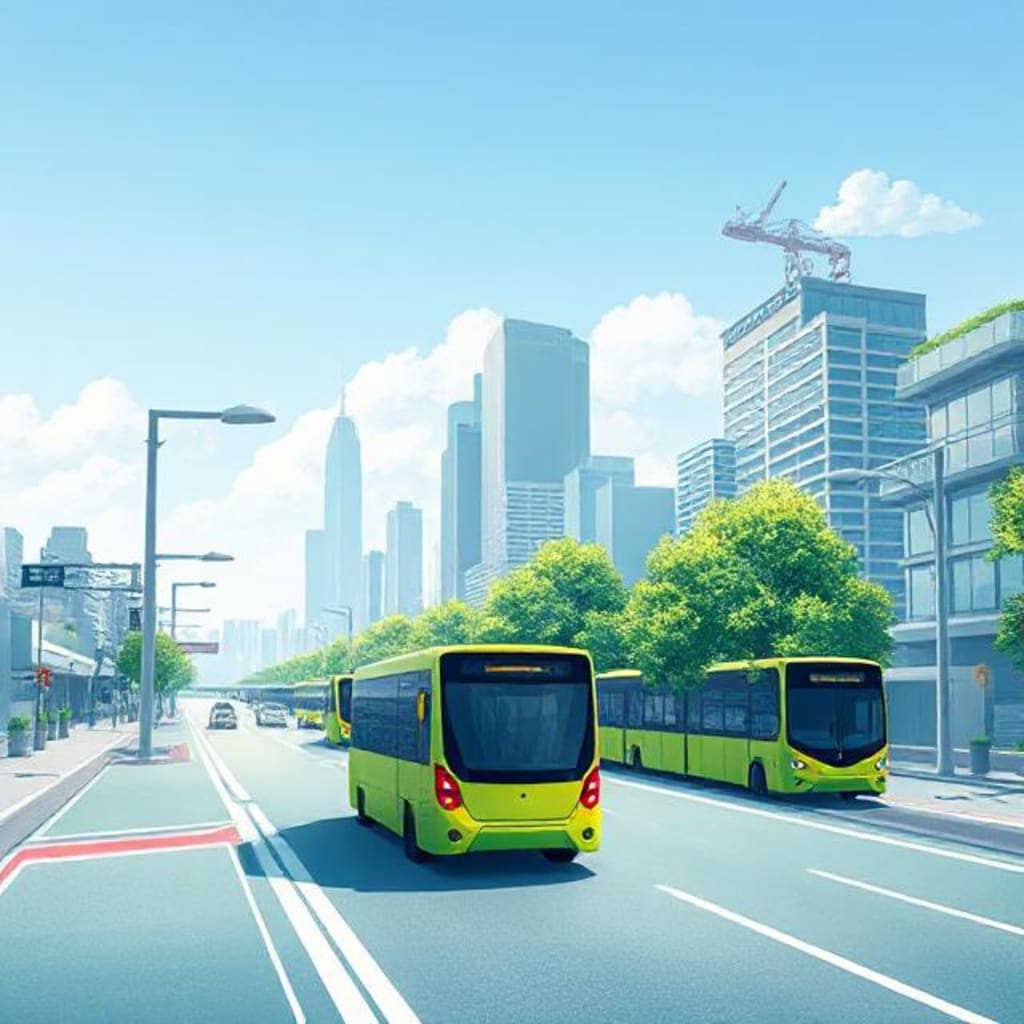
Buses, trains, subways, and trams are all examples of highly effective public transportation options. Public transportation reduces the number of private cars on the road by carrying multiple passengers in a single vehicle, resulting in lower emissions and reduced traffic congestion. To further enhance their environmental benefits, numerous cities worldwide are investing in electric and hybrid public transportation options. 2. Electric Vehicles (EVs)
As a cleaner alternative to gasoline-powered automobiles, electric vehicles have gained popularity. EVs operate using electric batteries rather than internal combustion engines, resulting in zero tailpipe emissions. When charged with renewable energy sources such as solar or wind power, EVs can further minimize their carbon footprint. EVs are now more affordable and practical for consumers thanks to advances in battery technology, expanding charging infrastructure, and government incentives. 3. Cycling and Walking
Bicycling and walking are among the most sustainable transportation methods, producing no emissions and promoting physical health. Cities worldwide are implementing bike lanes, pedestrian-friendly pathways, and bike-sharing programs to encourage non-motorized transportation. These initiatives not only reduce pollution but also contribute to reduced traffic congestion and improved urban air quality.
4. Carpooling and Ridesharing
Carpooling and ridesharing services such as UberPool and Lyft Line help reduce the number of vehicles on the road by allowing multiple passengers to share a ride. These services reduce fuel consumption and carbon emissions by maximizing the efficiency of existing vehicles. Many ridesharing companies are also incorporating electric and hybrid vehicles into their fleets to further promote sustainability.
5. Hydrogen Fuel Cell Vehicles
FCVs powered by hydrogen fuel cells (HFCs) are yet another promising alternative to conventional gasoline-powered automobiles. Hydrogen and oxygen are combined in these vehicles to produce electricity, leaving only water vapor as a byproduct. Although hydrogen infrastructure is still developing, FCVs have the potential to become a key component of sustainable transportation, especially for long-distance travel and heavy-duty transport.
6. High-Speed Rail and Green Aviation
High-speed trains powered by electricity provide an efficient and eco-friendly alternative to short-haul flights. To lessen their reliance on air travel, numerous nations, including Japan, China, and a number of European nations, have invested in extensive high-speed rail networks. Additionally, the aviation industry is exploring biofuels, electric planes, and fuel-efficient designs to minimize its environmental impact.
The Benefits of Eco-Friendly Transportation
Beyond environmental protection, eco-friendly transportation methods offer numerous benefits. Here are some key benefits:
1. Reduced Carbon Emissions
Sustainable transportation significantly decreases greenhouse gas emissions, helping to combat climate change and reduce global warming.
2. Better Air Quality Eco-friendly transportation improves air quality and improves respiratory health for urban populations by reducing pollutants released into the atmosphere. 3. Energy Conservation
Alternative transportation methods, such as EVs and hydrogen fuel cells, reduce dependence on fossil fuels, promoting energy security and sustainability.
4. Cost Savings
Public transportation, cycling, and carpooling can save individuals money on fuel, maintenance, and vehicle ownership costs. Additionally, electric vehicles have lower operating and maintenance costs compared to traditional cars.
5. Reduced Congestion in Traffic Increased use of public transport, cycling, and ridesharing helps alleviate traffic congestion, leading to more efficient urban mobility and reduced travel times.
6. Enhanced Public Health
Active transportation options such as cycling and walking promote physical activity, reducing the risk of obesity, heart disease, and other health issues.
Challenges and Future Directions
Despite the numerous benefits, transitioning to eco-friendly transportation faces challenges such as infrastructure limitations, high initial costs, and resistance to change. However, continuous advancements in technology, supportive policies, and increased public awareness are driving the shift toward sustainable mobility.
Governments and organizations play a crucial role in promoting eco-friendly transportation by investing in green infrastructure, offering incentives for electric vehicle adoption, and implementing policies that encourage sustainable commuting habits. Smart transportation systems like automated bike-sharing programs, electric bus fleets, and pedestrian-friendly urban planning can also be integrated into cities to create a cleaner and more efficient mobility landscape. Conclusion
Sustainable development relies heavily on environmentally friendly transportation, which has positive effects on health, the economy, and the environment. As technology advances and awareness grows, individuals and policymakers must work together to embrace greener transportation solutions. By adopting public transit, electric vehicles, cycling, and other sustainable alternatives, society can significantly reduce its carbon footprint and move toward a cleaner, healthier future.
About the Creator
Tea of Silence
The snow had covered the hills for days, turning the land into a quiet white world where sound seemed afraid to exist. On the highest of these hills, beneath a dry, leafless tree, a young man sat alone. The tree had long ago lost its strength, its branches thin and broken, but it still stood, as if refusing to disappear. The young man chose this place often, not because it was comfortable, but because it was honest.
By Bilal Mohammadi6 days ago in Earth
Microbiota, microbiome or microflora: how to speak correctly and why it is for health.
You've probably heard the phrase, "We are what we eat." But modern science says more precisely: we are also those who live in us. Until 2016, it was believed that there are many times more bacteria in our body than our own cells. The latest calculations by mathematicians show that we divide the body with our microorganisms by about 50/50: about 30 trillion of our cells versus 38 trillion bacterial ones.
By Yaroslav Gorohova day ago in Earth




Comments (1)
I love transportation! Good work!