
Earthquakes 101: Understanding the Causes and Staying Safe
The science of shaking: Learn the basics of earthquakes and how to protect yourself
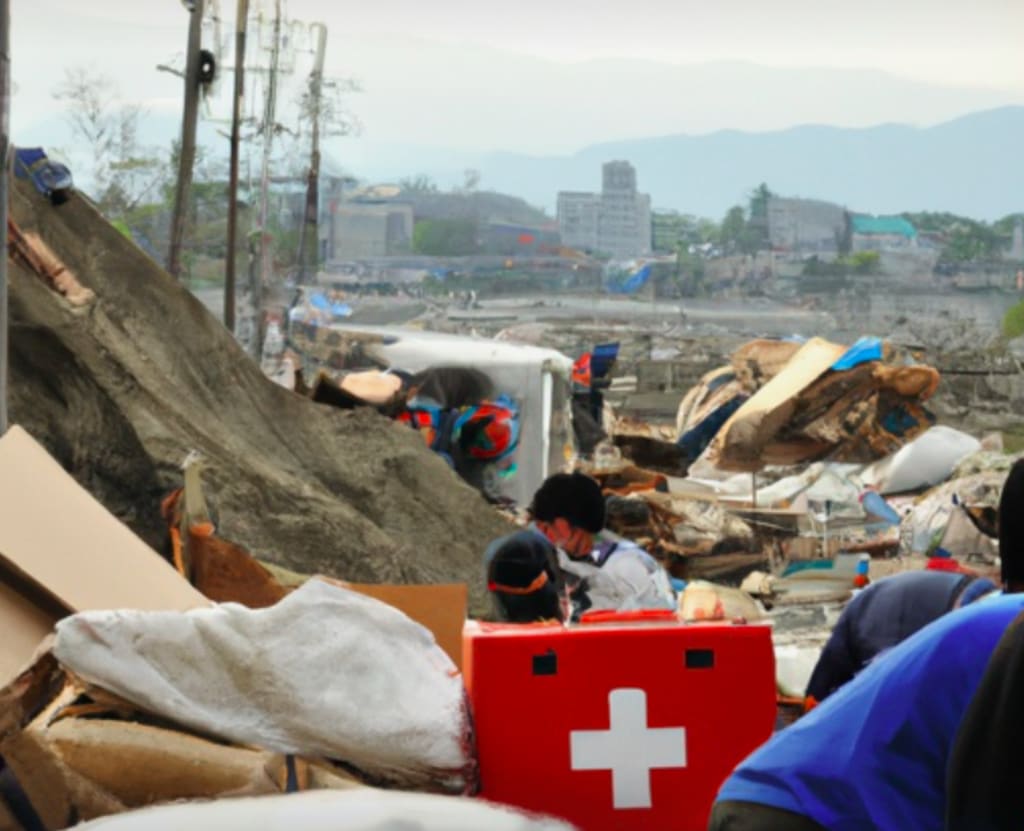
Earthquakes are one of the most destructive natural disasters that can occur. They are caused by the movement of tectonic plates, and their effects can be devastating. Earthquakes can cause extensive damage to buildings, infrastructure, and other structures, as well as pose a serious threat to human life. In this article, we will explore earthquakes and the various methods that can be used to protect against them. We will cover everything from the causes of earthquakes to the different types of earthquake protection that are available.
Causes of Earthquakes
Earthquakes are caused by the movement of tectonic plates, which are large slabs of rock that make up the Earth's crust. The Earth's crust is divided into several large plates, and these plates are constantly moving, albeit at a very slow pace. When two plates collide, the pressure and friction between them can cause them to stick together. As the plates continue to move, the pressure builds up, and eventually, the plates slip, causing an earthquake. Earthquakes can also be caused by volcanic activity, landslides, and man-made causes, such as mining and the construction of large dams.
Effects of Earthquakes
Earthquakes can have a wide range of effects, depending on their magnitude and the location of the epicenter. The most obvious effect of an earthquake is the shaking of the ground, which can cause buildings and other structures to collapse.
Earthquakes can also trigger landslides, tsunamis, and other secondary effects that can cause further damage and loss of life.
In addition to the physical damage caused by earthquakes, they can also have psychological effects on those who experience them. Earthquakes can be very traumatic, and many people who have been through one may experience anxiety, depression, and other mental health issues.
Protecting Against Earthquakes
Protecting against earthquakes is essential for anyone who lives in an earthquake-prone area. There are many different methods that can be used to protect against earthquakes, ranging from building design to early warning systems.
Building Design
One of the most important factors in protecting against earthquakes is building design. Buildings that are designed to withstand earthquakes are much less likely to sustain damage or collapse during an earthquake.
There are several design features that can help make a building more earthquake-resistant. These include:
• Flexible materials: Buildings that are constructed with flexible materials, such as steel, are less likely to sustain damage during an earthquake. This is because the materials can bend and flex with the movement of the ground.
• Strengthened foundation: The foundation of a building is critical in ensuring its stability during an earthquake. Foundations can be strengthened by using steel reinforcements or special concrete mixtures that are designed to be more resistant to seismic activity.
• Bracing and cross-bracing: Bracing and cross-bracing are techniques used to strengthen a building's walls and prevent them from collapsing during an earthquake.
• Dampers: Dampers are devices that can be installed in a building to absorb the energy from an earthquake and prevent it from causing damage.
Early Warning Systems
Early warning systems are another important method of protecting against earthquakes. These systems use sensors to detect seismic activity and can provide advance warning of an impending earthquake.Early warning systems can be used to trigger automatic shut-off valves in gas lines, to stop elevators, and to provide alerts to emergency services and the public.
Seismic Retrofitting
Seismic retrofitting is the process of modifying existing buildings to make them more earthquake-resistant. This can involve adding bracing or cross-bracing, reinforcing the foundation, or installing dampers or other earthquake-resistant devices.Seismic retrofitting is particularly important for older buildings that were constructed before modern earthquake-resistant building.
About the Creator
Keep reading
More stories from Depths of the Soul and writers in Earth and other communities.
From East to West
Emily was a young woman who had always been fascinated by different cultures and languages. She had studied anthropology in college and had always dreamed of traveling to the Middle East to learn more about the history and traditions of the region.
By Depths of the Soul3 years ago in Humans



Comments