
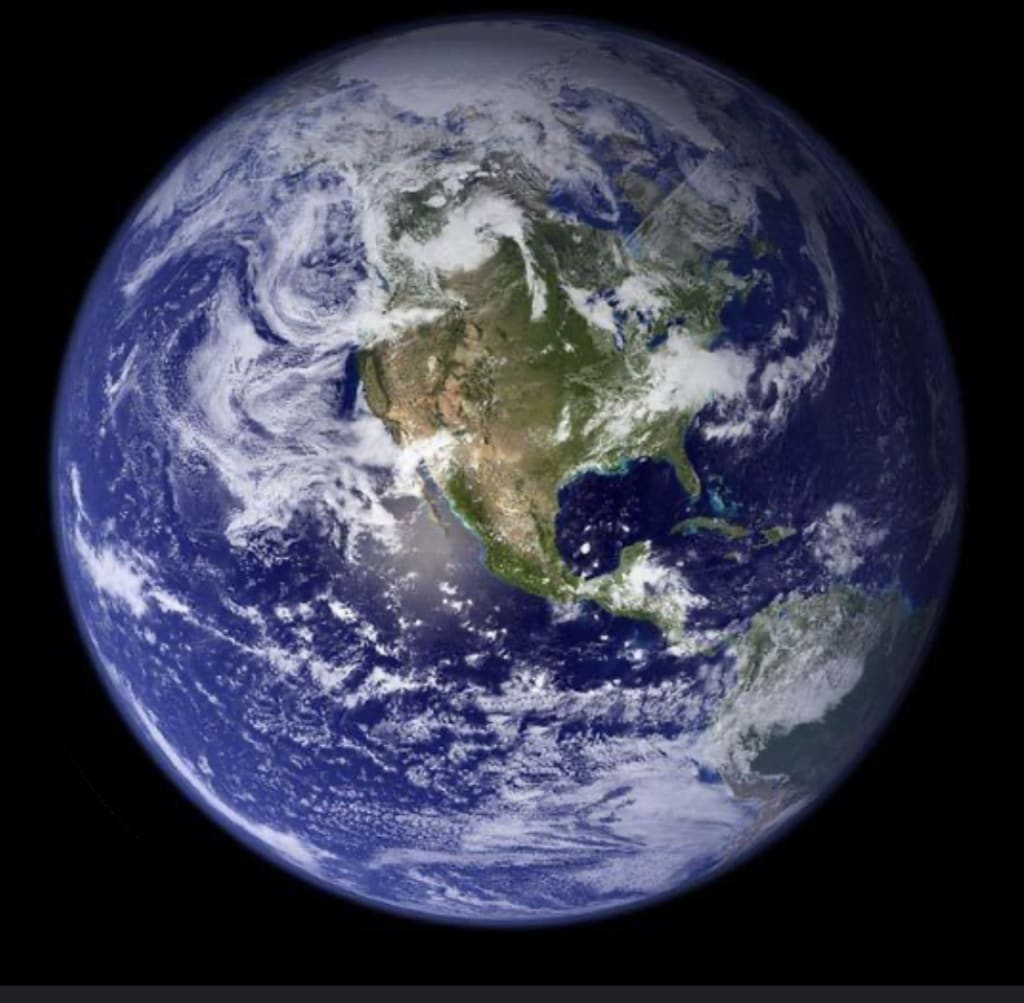
Earth is the third planet from the sun and the only known planet to host life. It is a unique and complex planet that has been studied by scientists for centuries. The study of Earth, also known as Earth Science, encompasses a wide range of disciplines including geology, oceanography, meteorology, and astronomy. Understanding Earth's place in the universe and its physical and biological processes is essential for addressing global challenges such as climate change and natural resource management.
Earth's physical characteristics are diverse and unique. The Earth is composed of four main layers: the crust, the mantle, the outer core, and the inner core. The crust, the outermost layer, is made up of solid rock and ranges in thickness from 3 to 40 miles. The mantle, which makes up the majority of the Earth's volume, is composed of hot, semi-solid rock. The outer core is a liquid layer of molten metal and the inner core is a solid ball of metal.
The Earth's atmosphere is composed of 78% nitrogen, 21% oxygen and traces of other gases such as argon, carbon dioxide and water vapor. This atmosphere plays a crucial role in regulating the Earth's temperature and protecting life on the planet from harmful radiation from the sun. The Earth's atmosphere also contains a layer of ozone, which protects life on the planet from harmful ultraviolet radiation from the sun.
Earth's climate is diverse and ranges from the frozen tundra of the Arctic to the scorching deserts of the Sahara. Climate zones are determined by a variety of factors, including latitude, elevation, and proximity to large bodies of water. Climate change is a significant concern, as the Earth's average temperature has been rising due to the burning of fossil fuels and other human activities. This warming trend has led to changes in weather patterns, rising sea levels, and the extinction of many species. Climate change also has a significant impact on the polar ice caps, which are melting at an alarming rate. This melting is causing sea levels to rise and threatening low-lying coastal areas and islands.
Earth's natural resources are essential for human survival and economic development. Renewable resources, such as solar and wind power, are sustainable and can be replenished over time. Non-renewable resources, such as coal and oil, are finite and will eventually be depleted. Conservation efforts, such as recycling and reducing energy consumption, are necessary to ensure that these resources are used efficiently and sustainably. Deforestation, pollution, and overfishing also threaten many species and ecosystems, which have negative impacts on the Earth's biodiversity.
Earth's life forms are incredibly diverse and range from microscopic bacteria to giant blue whales. Biodiversity is the variety of different types of living organisms on Earth, and it plays a crucial role in maintaining the planet's ecological balance. The evolution of life on Earth has been shaped by a variety of factors, including climate change and the movement of the continents. However, human activities such as deforestation and pollution are threatening many species, and it is essential that we take steps to protect them.
In conclusion, Earth is a unique and complex planet that has been studied by scientists for centuries. Understanding Earth's physical and biological processes is essential for addressing global challenges such as climate change and natural resource management. From the diverse climate zones to the richness of life forms that call our planet home, Earth is truly a marvel. It is our responsibility to protect and preserve this planet for future generations to come. We can do this by reducing our carbon footprint, conserving natural resources, protecting biodiversity, and promoting sustainable development
About the Creator
Keep reading
More stories from Mahendrarajah Mithusharan and writers in Earth and other communities.
Climate change
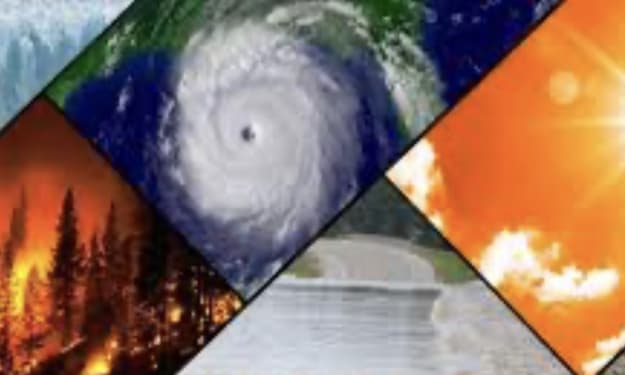
Climate change refers to the long-term alteration of temperature and weather patterns on Earth caused by human activities, primarily the burning of fossil fuels and deforestation. The primary driver of climate change is the increase of greenhouse gases, such as carbon dioxide, in the atmosphere. These gases trap heat from the sun, leading to a warming of the planet.
By Mahendrarajah Mithusharan3 years ago in Earth
Amid European Energy Fears, Coal Creeps Back Into Favour
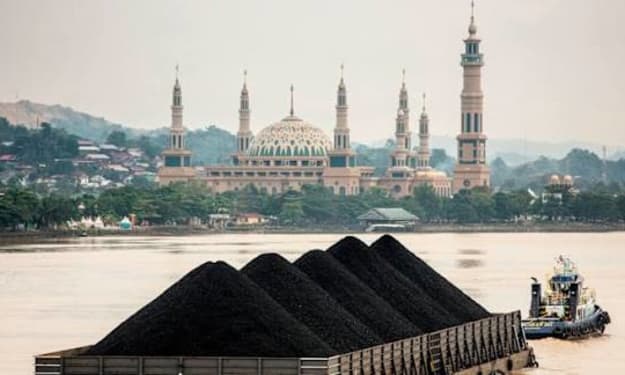
Europe’s energy landscape is shifting as fears over supply security and rising costs drive some countries back toward coal, a fossil fuel many had hoped to phase out entirely. The resurgence comes amid heightened tensions over energy imports, particularly natural gas, as the war in Ukraine and geopolitical friction with Russia have exposed vulnerabilities in the continent’s energy systems. Germany, long seen as a leader in renewable energy adoption, recently announced plans to keep several coal-fired power plants online longer than initially scheduled. Officials cited winter energy demands and the need to maintain a reliable baseload while natural gas supplies remain constrained. Similar considerations are emerging in Poland, the Czech Republic, and other nations that rely heavily on imported energy. “The energy crisis has forced governments to make difficult choices,” said Dr. Klaus Weber, an energy policy analyst at European Energy Institute. “While the climate goals remain important, ensuring citizens have access to electricity and heat this winter has become a more immediate priority.” The return to coal is not simply a response to price spikes. Energy security has become a pressing concern after European reliance on Russian gas pipelines was disrupted, prompting countries to diversify sources and store reserves. Coal, abundant in Europe and globally traded at competitive prices, provides a short-term buffer against shortages. At the same time, rising electricity costs have placed enormous pressure on households and industries. According to recent statistics from the International Energy Agency, European electricity prices surged by nearly 40% in the past year, prompting governments to subsidize energy bills and rethink fuel strategies. Coal-fired generation, though more polluting, offers predictable output and can be ramped up quickly to stabilize grids. Renewable energy advocates have expressed concern that this shift could undermine Europe’s climate leadership. Coal emits roughly twice the CO₂ per unit of energy compared to natural gas, posing challenges to achieving net-zero targets. Critics warn that extending coal use—even temporarily—risks locking in infrastructure that is inconsistent with long-term decarbonization goals. “Every megawatt-hour produced from coal is a step backward for Europe’s climate ambitions,” said Maria López, senior campaigner at Greenpeace Europe. “Governments need to pair any temporary measures with accelerated renewable deployment to avoid backsliding on emissions reductions.” Some nations are attempting to balance these pressures by deploying cleaner coal technologies. Advanced coal plants with carbon capture and storage (CCS) can reduce emissions by capturing a significant portion of CO₂ before it enters the atmosphere. Germany and the Netherlands are investing in pilot projects to integrate CCS into existing power plants, though critics note that large-scale implementation remains costly and complex. Analysts suggest that Europe’s return to coal is likely to be temporary. Once gas supplies stabilize and renewable infrastructure expands, reliance on coal is expected to decline. Yet the episode has highlighted the fragility of energy systems in the face of geopolitical shocks and the tension between short-term energy security and long-term climate goals. Meanwhile, citizens and businesses are feeling the immediate impact. Many households in Eastern and Central Europe face sharply higher heating costs this winter, and industrial manufacturers are warning that energy-intensive production could be scaled back if prices remain high. Policymakers are caught between the urgent need to maintain supply and the imperative to meet climate commitments. The European Union is working on strategies to mitigate these challenges. Measures include expanding LNG import terminals, investing in cross-border electricity interconnectors, and boosting renewable energy capacity. However, the gap between energy supply and demand, exacerbated by geopolitical tensions, means coal may remain a stopgap solution for months to come. Europe’s cautious return to coal underscores a broader reality: energy transitions are never linear. Even as governments and citizens push toward a greener future, external shocks—conflict, supply disruptions, and price volatility—can temporarily alter priorities. The key challenge for policymakers will be ensuring that short-term reliance on fossil fuels does not derail long-term climate ambitions.
By Fiaz Ahmed 2 days ago in Earth
The Politics of Playing Dress-Up
Well, to start off I'd like to say a happy world book day to all who celebrate. I know I haven't really posted anything on my socials about it but I'm not a jubilant kind of person. I lay low most of the time. Let's start off with a popular anecdote from the vaults...
By Annie Kapur4 days ago in Geeks


Comments
There are no comments for this story
Be the first to respond and start the conversation.