

Climate change refers to the long-term alteration of temperature and weather patterns on Earth caused by human activities, primarily the burning of fossil fuels and deforestation. The primary driver of climate change is the increase of greenhouse gases, such as carbon dioxide, in the atmosphere. These gases trap heat from the sun, leading to a warming of the planet.
The effects of climate change are wide-ranging and include rising sea levels, more frequent and severe weather events, changes in precipitation patterns, and shifts in temperature. These changes can have a significant impact on various industries, such as agriculture, forestry, tourism, and insurance. Additionally, it can lead to the displacement of communities, extinction of species, and loss of biodiversity.
To address climate change, countries have agreed to reduce their greenhouse gas emissions through the Paris Agreement, which aims to limit global warming to less than 2 degrees Celsius above pre-industrial levels. This requires the transition to renewable energy sources, such as solar and wind power, as well as the development of carbon capture and storage technologies. Additionally, countries are also taking steps to adapt to the effects of climate change that are already occurring, such as building sea walls and drought-resistant crops.
Overall, addressing climate change is a complex and challenging task that requires action from governments, businesses, and individuals. It will require significant investments in new technologies, changes in consumption patterns, and international cooperation to reduce emissions and build resilience to the impacts of climate change.There are several ways that individuals and communities can take action on climate change. One way is by reducing energy consumption and switching to clean energy sources at home, for example by using energy-efficient appliances, installing solar panels, or purchasing renewable energy from their utility. Another way is by using public transportation, biking or walking instead of driving a car, or purchasing an electric or hybrid vehicle.
Individuals can also reduce their carbon footprint by eating less meat, and choosing locally grown and organic produce. Additionally, they can support politicians and organizations that prioritize climate action, and participate in climate marches and protests.
On the other hand, businesses can take actions to reduce their carbon footprint and become more energy efficient, for example by using renewable energy, implementing energy-saving technology, or investing in carbon offset projects. They can also integrate sustainable practices into their operations and supply chain, and disclose their greenhouse gas emissions.
Another important aspect of addressing climate change is through carbon pricing mechanism, which puts a price on emissions from burning fossil fuels and other industrial activities that generate greenhouse gases. Carbon pricing can serve as an economic signal to businesses and consumers to reduce their emissions and transition to cleaner energy sources.
Lastly, governments have a key role in addressing climate change, through implementing policies and regulations that promote renewable energy, energy efficiency, and sustainable transportation; investing in research and development of new technologies; and providing support to vulnerable communities.
Overall, addressing climate change requires a collective effort from all sectors of society and it's a long-term process that needs to be continuously reviewed and adapted as we learn more about the issue and the impacts it has on the planetAnother important strategy in addressing climate change is reforestation and afforestation. Trees absorb carbon dioxide from the atmosphere and store it as carbon in their biomass, and forests also provide a wide range of ecological services such as protecting soil and water resources, providing habitat for wildlife, and supporting the livelihoods of local communities.
There are also other initiatives, such as blue carbon, which refers to the carbon stored in coastal and marine ecosystems, such as mangroves, seagrass, and kelp forests. These ecosystems are highly efficient at capturing and storing carbon, and their conservation and restoration can make a significant contribution to climate change mitigation.
Another important strategy is to increase energy efficiency and conservation, by reducing the amount of energy required to produce goods and services. This can be done through better design of buildings and appliances, improved industrial processes, and changes in consumer behavior.
Adaptation to the impacts of climate change is also crucial, particularly for vulnerable communities and countries that are already experiencing the effects of climate change. Adaptation measures can include building sea walls and other infrastructure to protect against sea level rise, developing drought-resistant crops, and creating early warning systems for extreme weather events.
In addition, International cooperation is critical to addressing climate change as it is a global issue that requires a coordinated response. Countries need to work together to reduce emissions, share technology and knowledge, and support adaptation efforts in developing countries.
In conclusion, addressing climate change is a complex and challenging task that requires a wide range of actions from all sectors of society. It involves reducing greenhouse gas emissions, transitioning to clean energy, protecting and restoring ecosystems, increasing energy efficiency and conservation, adapting to the impacts of climate change, and international cooperation. We need to take immediate action and make significant changes to our lifestyle and economy in order to mitigate the worst effects of climate change.
About the Creator
Keep reading
More stories from Mahendrarajah Mithusharan and writers in Earth and other communities.
kakhovka dam ukraine
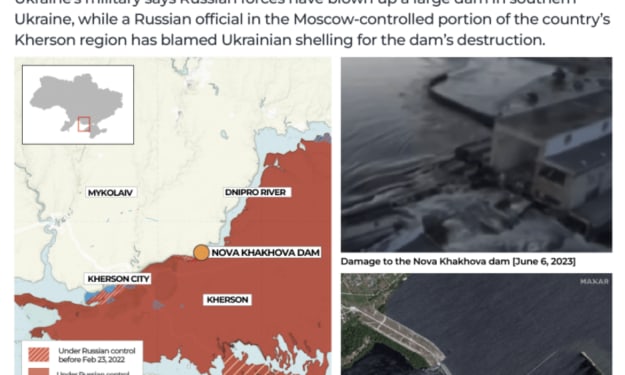
Title: Kakhovka Dam: A Triumph of Engineering and a Catalyst for Development in Ukraine Introduction The Kakhovka Dam, located in the southern part of Ukraine along the Dnieper River, is a remarkable feat of modern engineering and a symbol of the nation's industrial development. The dam was constructed in the 1950s, during the Soviet era, with the primary purpose of providing hydroelectric power and irrigation for the surrounding agricultural regions. Today, the Kakhovka Dam is not only a critical source of power for Ukraine but also a driving force for regional development, improving the quality of life for millions. This essay will explore the historical context, design, and construction of the Kakhovka Dam, as well as its impact on energy production, agricultural development, and the environment in Ukraine.
By Mahendrarajah Mithusharan3 years ago in Earth
Mount Sinai, the World’s Oldest Monastery, and the Prophet’s Letter: Faith, History, and a Controversial Development Plan
At a sacred site revered by Muslims, Christians, and Jews alike, an ambitious modernization project has stirred debate after reports of graves being relocated—raising questions about heritage, memory, and the cost of progress.
By Irshad Abbasi 5 days ago in Earth


Comments
There are no comments for this story
Be the first to respond and start the conversation.