
Dryland Plants (Xerophytes)
Dryland plants are able to survive in unfavorable habitats.

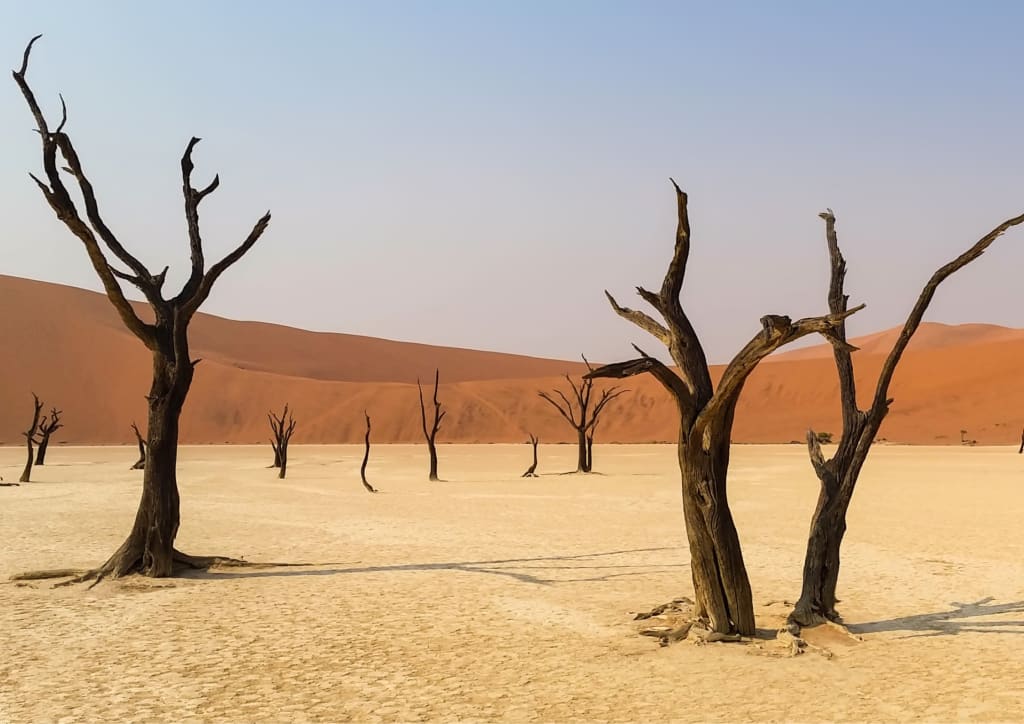
Dryland plants
Dryland plants are a group of plants that have adapted to thrive in areas that receive little rainfall and are characterized by high temperatures and low humidity. These plants have unique physiological and morphological characteristics that enable them to survive in these harsh conditions. In this article, we will explore some of the common dryland plants, their adaptations, and their uses.
1. Cacti
Cacti are one of the most well-known dryland plants. They are adapted to desert regions and are characterized by their succulent stems, which are used to store water. Cacti have thick, waxy skin that reduces water loss through transpiration, and their spines help to reduce surface area, which reduces water loss through evaporation. Cacti also have shallow, wide-spreading roots that enable them to capture water from a large area.

Cacti have many uses, including medicinal and culinary purposes. The prickly pear cactus, for example, is used in traditional medicine to treat wounds, burns, and inflammation. The cactus fruit is also a popular ingredient in many culinary dishes.
2. Succulents
Succulents are a diverse group of plants that have evolved to store water in their leaves, stems, and roots. They are found in many dryland regions and are characterized by their fleshy, often waxy, leaves. Succulents are adapted to reduce water loss through transpiration by closing their stomata during the hottest parts of the day.
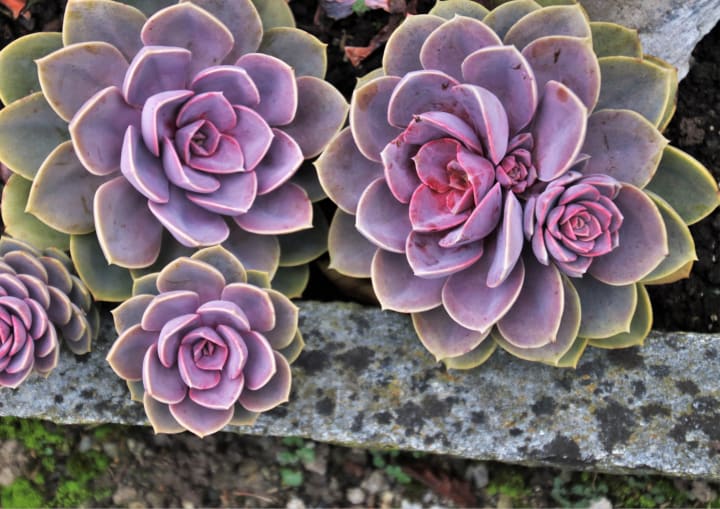
Succulents have many uses, including ornamental and medicinal purposes. The aloe vera plant, for example, is used in traditional medicine to treat burns, wounds, and skin conditions. Many succulents are also popular ornamental plants due to their unique appearance.
3. Desert shrubs
Desert shrubs are woody plants that are adapted to dryland regions. They have small, thick leaves that reduce water loss through transpiration, and their roots are often deep and wide-spreading, allowing them to capture water from a large area. Desert shrubs are also often drought-deciduous, meaning they shed their leaves during times of drought to conserve water.
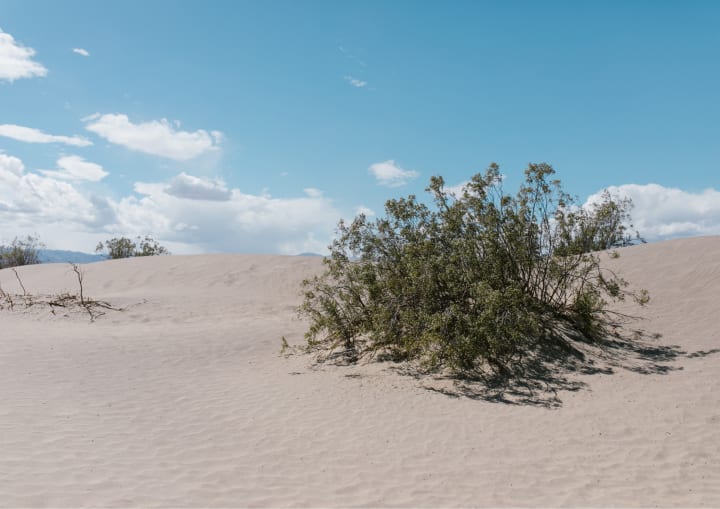
Desert shrubs have many uses, including ornamental, medicinal, and ecological purposes. Many desert shrubs are used in traditional medicine to treat a variety of ailments. They are also important for soil conservation and erosion control.
5. Grasses
Grasses are often overlooked as dryland plants, but they are well-adapted to survive in these harsh conditions. They have deep roots that can penetrate the soil to find water, and their narrow leaves reduce water loss through transpiration. Grasses are also often able to survive periods of drought by going dormant.
Grasses have many uses, including ornamental and ecological purposes. Many dryland types of grass are used for grazing and are an important source of food for livestock.
6. Trees
Trees are often associated with areas that receive a lot of rainfall, but there are many dryland trees that are adapted to survive in harsh conditions. These trees often have deep roots that can reach water sources deep underground, and their leaves are often small and thick to reduce water loss through transpiration.

Dryland trees have many uses, including ecological, medicinal, and economic purposes. Many dryland trees are important for soil conservation and erosion control. They are also often used in traditional medicine to treat a variety of ailments. The mesquite tree, for example, is used to make flour and is an important source of food for wildlife.
7. Wildflowers
Wildflowers are a group of flowering plants that have adapted to survive in dryland environments. These plants are often able to germinate and grow quickly after rainfall, producing colorful blooms that attract pollinators. Wildflowers have deep roots that enable them to tap into water sources deep underground, and their leaves are often small and thin to reduce water loss through transpiration.

Wildflowers have many uses, including ecological, ornamental, and medicinal purposes. They are important for soil conservation and erosion control, and they provide food and habitat for wildlife. Many wildflowers are also popular ornamental plants and are cultivated for their beautiful blooms.
8. Sagebrush
Sagebrush is a type of shrub that is adapted to arid and semi-arid environments. It has small, thick leaves that reduce water loss through transpiration, and its roots are able to reach water sources deep underground. Sagebrush is also able to tolerate high levels of salt in the soil, which is common in dryland regions.
Sagebrush has many uses, including ecological and medicinal purposes. It is an important habitat for many wildlife species, and it is used in traditional medicine to treat a variety of ailments. Sagebrush is also important for soil conservation and erosion control.
9. Agaves
Agaves are a group of succulent plants that are adapted to dryland regions. They have thick, fleshy leaves that are able to store water, and they are able to reduce water loss through transpiration by opening their stomata at night. Agaves are also able to tolerate high levels of salt in the soil.
Agaves have many uses, including ornamental, culinary, and economic purposes. The agave plant is used to make tequila and other alcoholic beverages, and the leaves are used to make fibers for rope and textiles. Many agaves are also popular ornamental plants due to their unique appearance.
10. Yuccas
Yuccas are a group of dryland plants that are adapted to arid and semi-arid environments. They have thick, fleshy leaves that are able to store water, and their roots are often deep and wide-spreading, allowing them to capture water from a large area. Yuccas also have a unique reproductive strategy, relying on yucca moths to pollinate their flowers.
Yuccas have many uses, including ecological and ornamental purposes. They are an important habitat for many wildlife species, and they are also popular ornamental plants due to their unique appearance.
Conclusion
In conclusion, dryland plants are a unique group of plants that have adapted to thrive in harsh conditions. From cacti and succulents to desert shrubs, grasses, and trees, there are many different types of dryland plants with a variety of uses. Understanding these plants and their adaptations can help us appreciate the diversity of life and the resilience of nature in even the harshest of environments.
About the Creator
Gokila
She is an astrophile, introvert,
loves to read books all day long,
addicts in healthy lifestyle
and having curiosity to know about new things.
Life Is As Beautiful As You Make It. Contentment Is The Key To Happiness. Peace Be Upon The Saviour.
War:
War: The Art of Never Growing Up There is something deeply strange about war. It isn’t strange in the sense that it surprises us, we have normalized it far too effectively for that. Rather, it is strange in the way something feels instinctively "wrong" even after thousands of years of repetition. It feels like an evolutionary glitch, a behavior that doesn’t quite belong to the world we claim to be building.
By Rick Angulo4 days ago in Earth


Comments
There are no comments for this story
Be the first to respond and start the conversation.