
Displaced Communities
The stories of people who are forced to leave their homes due to the impacts of climate change.


In the coastal village of Malika, generations of families had built their lives around the sea. For as long as anyone could remember, the rhythmic crashing of waves against the shore was their lullaby, and the salty breeze was their constant companion. But as the years passed, the sea grew restless, rising with an insatiable hunger.
As the waters encroached upon the village, inch by inch, homes that once stood proudly on solid ground now found themselves swallowed by the relentless tides. The people of Malika watched in horror as the place they called home for centuries began to vanish before their eyes. The once vibrant community was left shattered and displaced.
Among those affected was Amina, a young woman who had grown up in Malika. She had always believed her future would unfold within the familiar confines of the village, marrying her childhood sweetheart and raising a family amidst the tight-knit community. But destiny had other plans.
Amina, along with her family and neighbors, had no choice but to abandon their homes and seek refuge elsewhere. They became climate refugees, forced to leave behind the place that held their fondest memories and embrace an uncertain future. Their belongings were reduced to a few treasured possessions, packed tightly into worn-out suitcases.
The journey to find a new home was arduous and emotionally taxing. Amina and her family traveled for days, seeking a place where they could rebuild their lives. They faced hostility and discrimination as they arrived in new towns, where the local communities were already strained by their own hardships.
Amina's heart ached as she witnessed the struggles of her loved ones. Her parents, once proud and resilient, now carried a burden of sadness in their eyes. The older generations yearned for the familiar sights and sounds of Malika, while the younger ones faced the challenge of adapting to unfamiliar surroundings and carving out a sense of belonging.
In the face of adversity, Amina became a pillar of strength for her family and the other displaced villagers. She forged connections with other communities affected by climate change, sharing their stories and finding solace in their shared experiences. Together, they formed a support network, a lifeline of empathy and understanding.
Through their collective efforts, Amina and her newfound community began to rebuild their lives. They planted seeds of hope amidst the barren landscapes, tending to gardens that would sustain them and restore a sense of purpose. They sought ways to adapt to their new environment, learning from the local communities and weaving their own traditions into the fabric of their adopted homes.
Yet, even as they rebuilt, the ache for Malika remained. Amina knew that her village would forever hold a special place in her heart. She dreamed of a day when Malika would rise again, reborn from the depths, and her people would return to their ancestral land.
Amina's story is just one among countless others, a testament to the human spirit in the face of adversity. It reminds us of the emotional toll climate change takes on individuals and communities, and the urgent need to address its impacts. Through empathy and collective action, we can strive to protect the places we call home and ensure that no one else experiences the heartache of leaving behind everything familiar.
In cases like this.....
Individuals and governments share a profound responsibility in addressing the challenges of climate change. While the actions of individuals may seem small in the grand scheme of things, collective efforts can create a significant impact. At the same time, governments have the power to shape policies, enact regulations, and drive systemic changes that are essential for combating climate change at a larger scale.
On an individual level, each person has a responsibility to make conscious choices that minimize their carbon footprint and promote sustainability. This includes adopting energy-efficient practices, reducing consumption, recycling, using public transportation, and embracing renewable energy sources. By making these changes in our daily lives, we contribute to the global effort to mitigate climate change.
Moreover, individuals play a crucial role as advocates and influencers. By raising awareness, engaging in meaningful conversations, and inspiring others to take action, individuals can amplify the message of environmental stewardship and encourage others to join the cause. Small acts, when multiplied by millions, can lead to significant change.
However, individual actions alone are not sufficient to tackle the enormity of the climate crisis. Governments must take bold and decisive action to implement policies that drive sustainability and transition to a low-carbon economy. They have the responsibility to enact regulations that limit greenhouse gas emissions, support renewable energy initiatives, and promote sustainable practices across sectors.
Governments can invest in research and development to foster innovation in clean technologies and support the transition to renewable energy sources. They can also provide incentives for businesses and industries to adopt sustainable practices, encourage sustainable agriculture, and protect and restore natural habitats.
Furthermore, governments have a responsibility to engage in international collaborations, as climate change is a global issue that transcends borders. Cooperation and joint efforts among nations are essential to achieve meaningful progress in reducing greenhouse gas emissions, adapting to the impacts of climate change, and providing assistance to vulnerable communities.
It is important to note that individual actions and government responsibility are interconnected. Governments are accountable to their citizens and should be responsive to their concerns about climate change. Conversely, individual actions can influence government policies and priorities. Through activism, voting, and holding elected officials accountable, individuals can shape the political landscape and push for stronger action on climate change.
In summary, both individuals and governments have distinct roles to play in addressing climate change. Individuals should embrace sustainable practices, raise awareness, and inspire others. Governments must enact policies, regulations, and investments that promote sustainability, reduce emissions, and protect vulnerable communities. By working together, individuals and governments can drive the transformative changes needed to combat climate change and create a sustainable future for generations to come.
About the Creator
Favour Francis
Am a multi-talented individual who has made a significant impact in various fields as a content creator, script writer, comedian, and philanthropist.
Keep reading
More stories from Favour Francis and writers in Earth and other communities.
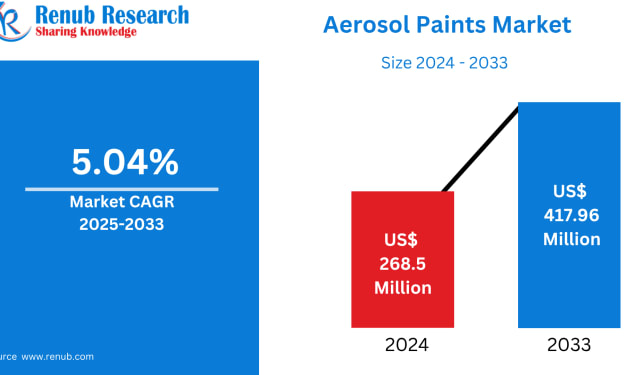
Global Aerosol Paints Market Forecast 2025–2033
Introduction The global aerosol paints market is steadily transforming from a niche convenience product into a mainstream coating solution used across industries, homes, and creative spaces. In 2024, the market was valued at USD 268.5 million, and it is projected to reach USD 417.96 million by 2033, expanding at a CAGR of 5.04% during 2025–2033, according to Renub Research. This growth is driven by the convergence of DIY culture, automotive customization, construction activity, and industrial maintenance needs, alongside innovation in eco-friendly formulations and application technologies.
By Aaina Oberoi3 days ago in Earth
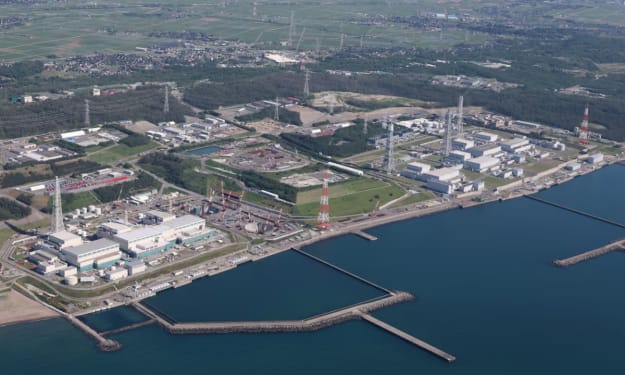
15 Years After Fukushima, Japan Prepares to Restart the World’s Biggest Nuclear Plant
Fifteen years after the catastrophic Fukushima disaster, Japan is preparing to restart the world’s largest nuclear power plant. The decision marks a significant turning point in the country’s energy policy, reflecting both the urgent need for stable energy sources and the ongoing concerns about safety, environmental impact, and public trust. The move underscores Japan’s complex relationship with nuclear energy—a technology that has fueled the nation’s economic growth but also caused one of the worst nuclear disasters in history. The Fukushima Legacy In March 2011, a massive earthquake and tsunami triggered a meltdown at the Fukushima Daiichi Nuclear Power Plant, releasing radioactive material and forcing the evacuation of tens of thousands of residents. The disaster exposed flaws in safety regulations and emergency preparedness, reshaping public perception of nuclear energy in Japan and around the world. Following the incident, Japan shut down nearly all its nuclear reactors, relying heavily on imported fossil fuels to meet energy demand. The decision led to increased energy costs and heightened greenhouse gas emissions, creating pressure to diversify energy sources. Why Japan is Restarting Nuclear Reactors The restart of nuclear plants, including the world’s largest facility, is driven by several factors: Energy Security: Japan imports over 90% of its energy needs. Restarting nuclear plants reduces dependence on foreign fossil fuels and helps stabilize electricity supply. Climate Goals: Nuclear power generates electricity with minimal carbon emissions. As Japan commits to reducing greenhouse gases, nuclear energy offers a low-carbon alternative to coal and natural gas. Economic Considerations: Importing fossil fuels is expensive. Nuclear energy provides a relatively cheaper source of electricity in the long term, helping households and industries manage costs. The government emphasizes that advanced safety measures and rigorous inspections are in place, aiming to restore public confidence and prevent another disaster. Safety Measures and Upgrades Since 2011, Japan has invested heavily in upgrading nuclear infrastructure. Lessons from Fukushima have led to stricter regulations and improved disaster preparedness: Reinforced Reactor Buildings: Structures are now designed to withstand larger earthquakes and tsunamis. Advanced Cooling Systems: Redundant and automated cooling systems reduce the risk of overheating. Emergency Response Planning: Local governments and plant operators coordinate evacuation drills and disaster simulations. Regulatory Oversight: Japan’s Nuclear Regulation Authority (NRA) conducts independent inspections to ensure compliance with safety standards. Despite these measures, skepticism remains. Many citizens fear that no system can fully eliminate the risks associated with nuclear power, especially given the unpredictable nature of natural disasters in Japan. Public Opinion and Controversy The decision to restart the world’s biggest nuclear plant has sparked debate across Japanese society. Supporters argue that nuclear energy is essential for economic stability, energy security, and climate goals. They point out that without nuclear power, Japan would struggle to meet rising electricity demand and climate commitments. Opponents, however, raise concerns about safety, environmental impact, and long-term waste management. Memories of Fukushima remain vivid, and surveys indicate that a significant portion of the population is uneasy about returning to nuclear energy. Local communities near nuclear plants have voiced particular concern, fearing potential accidents and contamination. Economic and Energy Implications Restarting nuclear plants could have broad economic benefits. Stable electricity supply reduces the risk of blackouts, supports industrial activity, and helps control electricity prices for households. From an energy policy perspective, nuclear power allows Japan to balance its energy mix more sustainably. It complements renewable sources like solar and wind, which can fluctuate depending on weather conditions. Nuclear plants provide a steady “baseload” supply that renewables alone cannot guarantee. However, challenges remain: the disposal of radioactive waste, decommissioning older plants, and ensuring consistent regulatory oversight are all long-term concerns that Japan must address to maintain credibility and safety. Global Perspective Japan’s decision is being watched closely worldwide. The Fukushima disaster reshaped global nuclear policy, leading countries like Germany to phase out nuclear energy while others, including China and South Korea, continue to invest in it. Restarting the world’s largest nuclear plant sends a signal about Japan’s commitment to energy self-sufficiency and low-carbon power. It also raises questions about how other nations handle the balance between energy security and safety, especially as climate change increases the urgency for reliable, low-emission energy sources. Lessons Learned Fifteen years after Fukushima, Japan’s experience provides key lessons for the global community: Preparedness is Crucial: Robust safety standards and disaster response systems are essential for operating nuclear plants in seismically active regions. Public Trust Matters: Long-term energy policy must consider public perception and involve communities in decision-making. Diversified Energy Strategy: Nuclear power should be part of a broader energy mix, complemented by renewables to reduce risk and emissions. Continuous Oversight: Independent regulatory bodies and transparent operations are critical for maintaining safety and credibility. These lessons are not only relevant for Japan but also for any country considering nuclear power as part of its energy transition strategy. Conclusion The restart of Japan’s largest nuclear plant, fifteen years after the Fukushima disaster, represents both hope and caution. It promises more stable energy, lower carbon emissions, and economic benefits. At the same time, it reminds the world of the inherent risks of nuclear power and the need for rigorous safety, transparent governance, and public engagement. Japan’s journey reflects a broader challenge faced by many nations: how to meet growing energy demand and climate goals while ensuring safety, sustainability, and public trust. The coming years will reveal whether this bold step strengthens Japan’s energy future or reignites debate over the role of nuclear power in a post-Fukushima era.
By Muhammad Hassan6 days ago in Earth
Autonomy Is The Real Privilege
Good morning, freedom-seekers! Today we’re gonna be looking at autonomy. A strange word, I know; one many would probably look at blankly and run away from on sight. We’re gonna figure out what it actually means, consider how it’s achieved, and decipher just how deeply most of us are tangled up in dependence without realising it.
By That ‘Freedom’ Guy5 days ago in Humans


Comments
There are no comments for this story
Be the first to respond and start the conversation.