
"Discovering Nigeria: History, and Landscapes of West Africa."
"Exploring Nigeria's Rich Heritage, Economic Progress, and Tourist Attractions."
Nigeria is a country located in West Africa. It is the most populous country in Africa, with an estimated population of over 206 million people as of 2021. It is also the seventh most populous country in the world.
Nigeria is known for its diverse ethnic groups, languages, cultures, and religions. The major ethnic groups in Nigeria are the Hausa, Igbo, and Yoruba. English is the official language of the country, although many Nigerians also speak their respective ethnic languages.
The economy of Nigeria is largely dependent on oil, which accounts for a significant portion of the country's GDP. However, Nigeria has also made efforts to diversify its economy, with industries such as agriculture, manufacturing, and services growing in recent years.
Nigeria has a rich cultural heritage, with traditional music, dance, and art forms that reflect the country's diverse ethnic groups. The country is also known for its literature, with several Nigerian authors gaining international recognition, including Chinua Achebe, Wole Soyinka, and Chimamanda Ngozi Adichie.
Nigeria has faced several challenges in recent years, including political instability, corruption, and terrorism. Boko Haram, an Islamist extremist group, has been responsible for numerous attacks in the country, particularly in the northeast. Despite these challenges, Nigeria remains a vibrant and resilient country with a rich culture and history.
Nigeria gained its independence from British colonial rule on October 1, 1960.
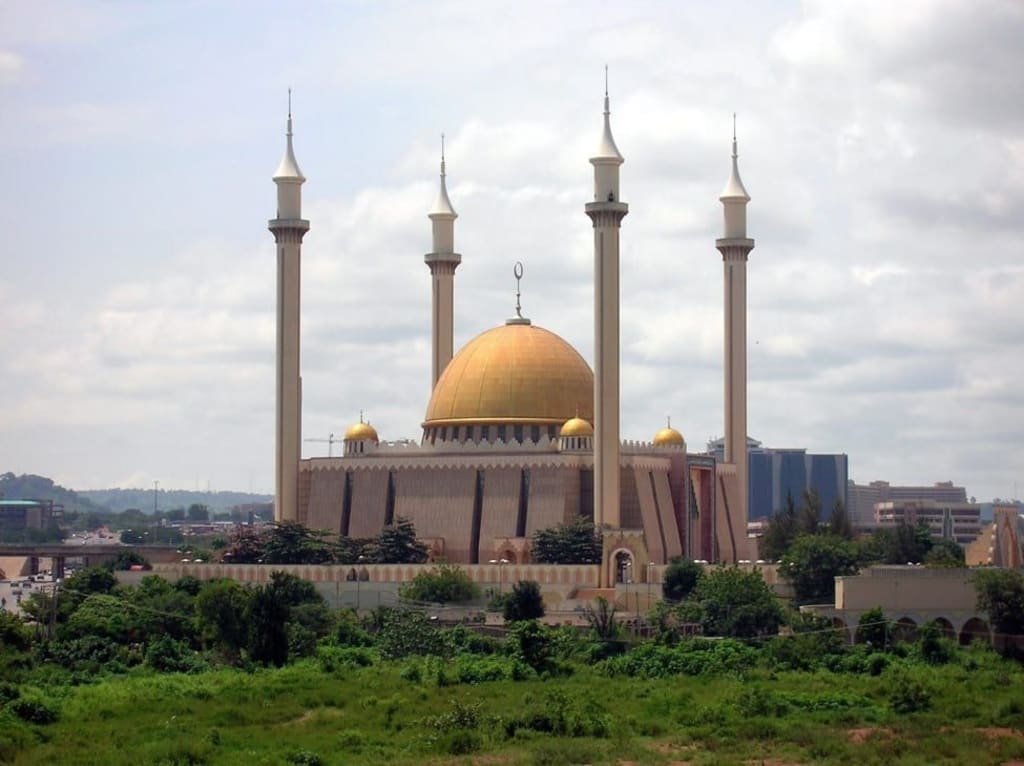
The capital city of Nigeria is Abuja, which became the capital in 1991. Lagos was previously the capital.
Nigeria is home to several national parks and reserves, including Yankari National Park, which is home to elephants, baboons, and various types of antelope.
The Nigerian film industry, also known as Nollywood, is one of the largest film industries in the world. It produces thousands of movies each year, with a focus on local stories and themes.
Nigeria is the largest producer of cassava in the world and is also a major producer of other crops such as yams, cocoa, and palm oil.
Christianity and Islam are the two dominant religions in Nigeria, with Christianity being the most widely practiced religion in the south of the country and Islam being the most widely practiced religion in the north.The Nigerian national football team, also known as the Super Eagles, has won the African Cup of Nations three times and has qualified for the FIFA World Cup six times.
Nigeria has over 250 ethnic groups, each with its own language and culture. The three largest ethnic groups, the Hausa, Igbo, and Yoruba, together make up over 60% of the population.
The Nigerian legal system is based on English common law, Islamic law, and traditional African customary law.
Nigeria has a tropical climate, with temperatures averaging around 27°C (81°F) throughout the year. The country experiences two distinct seasons - a wet season from April to October and a dry season from November to March.Nigeria is the 12th largest oil producing country in the world, with oil and gas accounting for over 90% of the country's exports.
The Niger River, the third-longest river in Africa, flows through Nigeria and is an important source of water and transportation for the country.
Nigeria is a member of the African Union, the United Nations, and the Commonwealth of Nations, among other international organizations.
The Nigerian education system consists of six years of primary school, three years of junior secondary school, three years of senior secondary school, and tertiary education at universities and other institutions.The National Museum in Lagos is home to a collection of Nigerian art, including traditional masks, sculptures, and textiles.
Nigeria is home to several popular tourist destinations, including the beaches of Lagos, the historic city of Benin, and the natural wonders of the Jos Plateau.
Nigerian cuisine is diverse, with a range of dishes influenced by the country's ethnic groups and historical influences. Popular dishes include jollof rice, pounded yam, and egusi soup.
Nigeria has a federal system of government, with power shared between the federal government and the country's 36 states.
Nigeria is the largest economy in Africa, with a GDP of over $400 billion as of 2021.The Nigerian music industry is also thriving, with artists such as Burna Boy, Wizkid, and Davido gaining international recognition for their music.
About the Creator
Reader insights
Nice work
Very well written. Keep up the good work!
Top insights
Easy to read and follow
Well-structured & engaging content
On-point and relevant
Writing reflected the title & theme
Keep reading
More stories from DINESH KUMAR.C and writers in Earth and other communities.
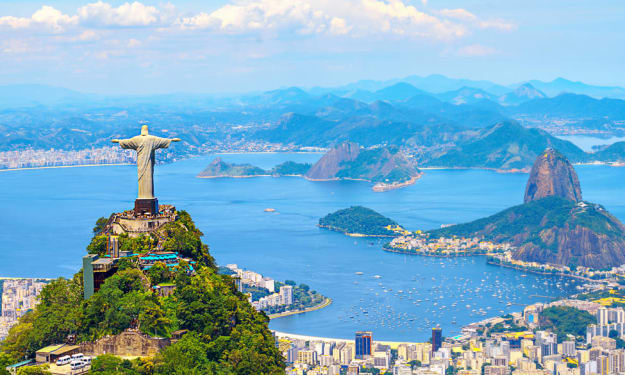
Brazil: "A Multicultural Giant with Endless Possibilities"
Brazil is the largest country in South America and the fifth-largest country in the world by both land area and population. It covers over 8.5 million square kilometers and has a population of over 211 million people. The country is known for its rich culture, diverse wildlife, and natural beauty.Brazil is a federal presidential republic, with the President as the head of state and the government. The country's official language is Portuguese, and it is the only Portuguese-speaking country in the Americas. Brazil is also home to several indigenous languages, which are recognized as official languages in certain regions of the country.
By DINESH KUMAR.C3 years ago in Earth
Without Democracy, Donald Trump’s Venezuelan Oil Quest Will Fail
Donald Trump’s renewed interest in Venezuelan oil may seem, on the surface, like a hard-nosed geopolitical calculation. Venezuela holds the world’s largest proven oil reserves, and amid global energy uncertainty, access to those resources is undeniably tempting. But history, economics, and politics all point to the same conclusion: without democratic reform in Venezuela, any attempt by a Trump-led US administration to secure reliable Venezuelan oil will ultimately fail.
By Aarif Lashari7 days ago in Earth
How, Too
Many people wonder how, too. You are not alone, and I am an expert. I will teach you how, too! First, you need to remit a small application fee and fill out an application describing the nature of your financial situation and how often payments will be made, as this will have great bearing on how well I teach you how, too.
By Harper Lewis5 days ago in Fiction


Comments
There are no comments for this story
Be the first to respond and start the conversation.