
Delhi’s Winter Smog: A Public Health Catastrophe
Delhi’s Winter Smog: Causes, Health Risks, and Solutions to the Ongoing Air Pollution Problem


Each winter, Delhi, India’s bustling capital, is smothered under a thick layer of smog, turning the air hazardous to breathe. For millions of residents, it’s a desperate race for clean air. Despite increasing public awareness and repeated warnings from experts, Delhi’s pollution problem has become an annual crisis
In 2017, I carried out extensive research to discover the root cause and take precautionary measures. This article can be found in The Conversation and various newspapers worldwide.
https://theconversation.com/as-another-smog-season-looms-india-must-act-soon-to-keep-delhi-from-gasping-80376
This November, pollution has soared to alarming heights again. The latest news published by https://www.bbc.com/news/articles/c1wj43vqdlpo states “Air pollution in India's capital Delhi has soared to extremely severe levels, choking residents and engulfing the city in thick smog. Monitors recorded pollution levels of 1,500 on the Air Quality Index (AQI) at 15:00 IST (09:30 BST), according to tech company IQ Air - 15 times the level the World Health Organization (WHO) considers satisfactory for breathing.”
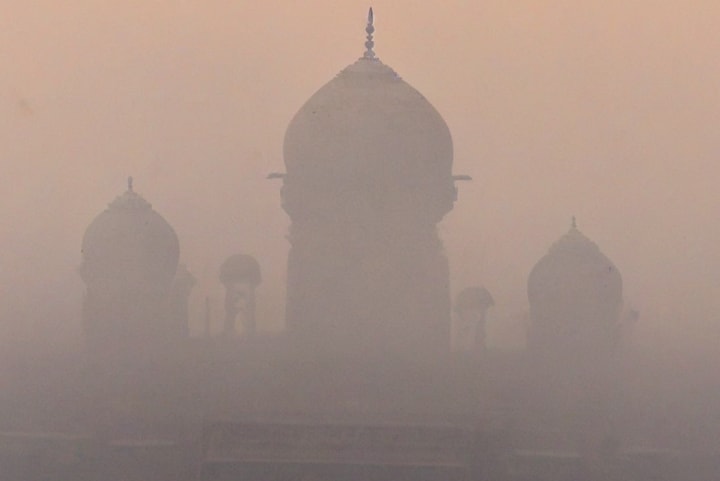
Delhi's air quality frequently rises to life-threatening levels, and its residents are forced to endure the consequences. PM 2.5 particles about 30 times smaller than the width of a human hair are the most dangerous pollutants. These microscopic particles are capable of bypassing the body’s natural defence mechanisms and entering the bloodstream, leading to severe health issues.
To give some perspective, breathing Delhi’s air during peak pollution is similar to smoking one pack of cigarettes a day. The thick haze reduces visibility drastically, making it almost impossible to see a few meters ahead. Public health deteriorates, respiratory problems surge, and daily activities bring to a halt as residents cope with the unbearable air. Tragically, despite similar crises for the last 8 years Delhi continues to struggle without adequate long-term solutions.
The smog that blankets Delhi is the result of several factors—natural, industrial, and human-driven. Three primary contributors exacerbate the pollution levels each year:
Crop Burning
One of the major causes of Delhi’s pollution is the seasonal burning of crop stubbles by farmers in neighbouring states, Punjab and Haryana. After harvesting rice, farmers burn the leftover straw to prepare the fields for the next crop. This practice releases large amounts of smoke and particulate matter into the air. Prevailing winds carry this pollution towards Delhi, significantly contributing to the city’s winter smog. This problem peaks in October and November. The problem gets worse when the harvest season coincides with the onset of colder weather, with very low wind speed and no rain. https://weather-and-climate.com/average-monthly-Wind-speed,New-Delhi, India
Fireworks During Diwali
The celebration of Diwali, the festival of lights, worsen the pollution crisis. During the festivities, fireworks are widely used, releasing toxic gases, heavy metals, and large amounts of particulate matter into the atmosphere. Combined with the smoke from crop burning, these fireworks worsen the already poor air quality.
Local Pollution Sources
Within Delhi itself, a multiple of factors contributes to the pollution levels. The city is home to millions of vehicles, many of which are old and heavily polluting. Additionally, construction activities, industrial emissions, and the use of diesel generators during power cuts all add to the air quality degradation. All of these sources combine to create a toxic mix that blankets the city for weeks during the winter months.
The Health Impacts
The health consequences of air pollution in Delhi are severe, particularly for vulnerable groups like children, the elderly, and those with pre-existing conditions. Prolonged exposure to PM2.5 particles can cause a wide range of health issues, both short-term and long-term:
Short Term Effects:
Exposure to high levels of pollution can cause immediate discomfort, such as eye, nose, and throat irritation, coughing, sneezing, and difficulty breathing.
Long Term Effects:
Continuous exposure to hazardous air quality can lead to chronic respiratory diseases like asthma, heart disease, and lung cancer. Children, whose lungs are still developing, and the elderly, whose immune systems are often weaker, are at greater risk of long-term health complications.
Solutions: What Can Be Done?
Addressing Delhi’s pollution crisis requires a mix of short-term and long-term measures, both from government authorities and individual citizens. Several practical solutions could be implemented to reduce pollution and its impact:
Banning Crop Burning
A significant portion of Delhi’s pollution comes from the burning of crop stubble in Punjab and Haryana. To combat this, the government must take a more proactive approach:
Enforce strict bans on crop burning and ensure that farmers adhere to these rules.
Provide financial incentives and subsidies to farmers to encourage them to adopt more eco-friendly methods, such as using machines to clear stubble instead of burning it.
Regulating Fireworks
While Diwali is an important cultural event, the widespread use of fireworks adds significantly to pollution. Authorities should regulate the use of fireworks during the festival, promoting eco-friendly alternatives that produce less smoke and fewer toxins. Raising public awareness about the environmental damage caused by fireworks and encouraging people to celebrate in cleaner ways would make a big difference.
Reducing Vehicle Emissions
Delhi needs to prioritize reducing emissions from its vast fleet of vehicles, particularly older, poorly maintained ones. The government could implement measures such as:
Banning older vehicles that don’t meet the required emissions standards.
Encouraging the use of public transport, carpooling, and other alternative modes of transport.
Subsidising electric and hybrid vehicles to make them more affordable and encourage a shift to cleaner transportation options.
Additionally, phasing out diesel-powered trucks from the city centre could drastically reduce emissions from the transportation sector.
Upgrading the Power Supply
In many parts of Delhi, power cuts are frequent, and people rely on diesel generators to power their homes and businesses. These generators contribute to air pollution by emitting harmful pollutants. To tackle this issue, the government should focus on providing a reliable, 24-hour electricity supply and encourage the use of cleaner energy sources like solar power to reduce the reliance on diesel generators.
Public Education and Information
It is crucial that authorities keep the public informed about air quality levels and offer advice on how to stay safe during periods of high pollution. Regular air quality updates should be provided through television, radio, and social media. On days when pollution levels reach dangerous levels, schools should close, and people should be encouraged to stay indoors. Additionally, wearing masks and avoiding outdoor activities can help protect individuals from the harmful effects of polluted air.
Expanding Green Spaces
Increasing the number of trees and green spaces in Delhi could help mitigate pollution by absorbing harmful pollutants. Green belts and parks should be expanded throughout the city. These areas not only provide a natural buffer against pollution but also help reduce noise levels and improve the overall quality of life for residents.
Delhi’s pollution crisis is not just an environmental issue; it is a public health emergency that requires urgent action.
Solving Delhi’s pollution problem requires the collective efforts of government bodies, industries, and citizens alike. Farmers must be given alternatives to crop burning, residents should embrace cleaner transportation options, and authorities must enforce stricter pollution control measures.
Delhi deserves clean air, and now is the time to take decisive action. Without continued and sustained efforts, the city’s pollution crisis will continue to claim lives and affect millions of residents. By working together, we can create a healthier, cleaner, and more sustainable future for Delhi and its citizens.
About the Creator
Vijay Koul
I worked in CSIRO, AU. After retiring I found great joy in embracing writing as a fulfilling hobby. With more time on my hands. This new pursuit allowed me to explore different genres and topics, drawing from my experiences and knowledge.
Keep reading
More stories from Vijay Koul and writers in Earth and other communities.
Unlocking the Power of the Gut-Brain Axis for Better Health
Have you ever wondered why you feel happy when you eat your Favorite food or why you get butterflies in your stomach when you are nervous? Even now, the smell of my wife’s cooking, especially when she prepares my favourite dish, instantly lifts my spirits and brings a smile to my face. Back when I was a student, the pressure of exams used to make me feel nervous, and I still get that same feeling whenever I speak in front of a crowd. It's because of the special connection between your gut and brain. This connection is called the "gut-brain axis."
By Vijay Koulabout a year ago in Longevity
Inside Trump's $11 Billion Health Plan to Replace “Neo-Colonial” USAID
In the landscape of global health aid, few proposals have stirred as much debate as former President Donald Trump’s ambitious plan to restructure American assistance abroad. Dubbed an $11 billion health initiative aimed at replacing USAID’s current framework, the plan seeks to pivot away from what Trump and his allies have criticized as the “neo-colonial” approach of U.S. foreign aid. While the plan promises greater efficiency and impact, experts are split on whether it is a practical solution or a politically driven gamble. Trump’s Critique of USAID The United States Agency for International Development (USAID) has long been a central pillar of American foreign assistance, distributing billions in aid annually to address health crises, food insecurity, and development challenges worldwide. However, Trump’s administration and its supporters have often described USAID’s approach as bureaucratic, inefficient, and reflective of a “neo-colonial” mindset. In public statements, Trump argued that the U.S. was spending taxpayer dollars on programs that benefited foreign governments or contractors more than the intended local communities. Critics of the plan say that while USAID has flaws—as any large bureaucracy does—its extensive networks and decades of experience provide an unmatched capacity to deliver aid efficiently and safely. The Core of the $11 Billion Proposal At the heart of Trump’s proposal is an $11 billion fund designed to consolidate, modernize, and streamline U.S. health aid. Unlike the traditional USAID model, which relies heavily on long-term partnerships with governments and NGOs, the new plan emphasizes: Direct Impact Funding: Allocating resources to frontline health workers and local initiatives rather than intermediaries. Data-Driven Investments: Using real-time health data to target outbreaks and crises more efficiently. Private Sector Partnerships: Leveraging U.S. pharmaceutical companies, tech firms, and healthcare startups to deliver vaccines, treatments, and medical infrastructure. Shorter Program Cycles: Moving away from multi-year funding commitments in favor of more flexible, results-oriented programs. Proponents argue that this approach could reduce bureaucratic overhead and ensure U.S. aid reaches communities faster. By “cutting out the middlemen,” Trump supporters claim, America can avoid the pitfalls of slow-moving aid programs that sometimes fail to adapt to crises. Reactions from the Global Health Community Global health experts, however, have expressed concern about both the logistics and philosophy of the plan. Dr. Melissa Ortega, a senior researcher at the Global Health Policy Institute, explained, “The idea of bypassing established structures like USAID may sound appealing on paper, but in practice, it risks undermining decades of institutional knowledge. Health systems are complex, and short-term projects cannot replace long-term capacity building.” Some critics have also questioned the characterization of USAID as “neo-colonial.” While U.S. foreign aid has historically been tied to geopolitical interests, many programs today are designed collaboratively with recipient countries and local organizations. Reducing oversight could unintentionally increase the risk of misuse, corruption, or health inequities. On the other hand, supporters of Trump’s plan point to examples of inefficiency in USAID programs, citing cases where aid was delayed or mismanaged. By introducing more direct funding models, they argue, U.S. taxpayer dollars could achieve a higher “return on health outcomes.” Political Implications Trump’s health aid overhaul proposal is not just about international development—it is also deeply political. Framing USAID as a “neo-colonial” institution resonates with a populist narrative that America should prioritize its own citizens and assert greater control over how taxpayer money is spent abroad. Domestically, the $11 billion plan faces scrutiny from Congress. Lawmakers from both parties have questioned whether dismantling USAID’s systems could destabilize ongoing health programs in countries where the U.S. has long-term commitments. The potential impact on global health security—including the fight against pandemics like COVID-19—adds another layer of concern. Internationally, U.S. allies and partner nations are watching closely. Sudden shifts in aid delivery could disrupt health programs in low- and middle-income countries, many of which rely on predictable funding cycles to maintain vaccination campaigns, maternal health services, and disease surveillance. Possible Benefits and Risks If executed carefully, the Trump-backed model could bring several benefits: Faster Response Times: Direct funding could accelerate delivery of vaccines, treatments, and emergency support. Innovation Boost: By partnering with private sector companies, the plan could accelerate development of new health technologies. Accountability: With performance-based metrics, the plan may better measure the impact of U.S. aid. However, the risks are equally significant: Disruption of Existing Programs: Abrupt changes could destabilize ongoing health projects. Loss of Expertise: USAID’s decades of experience in navigating local governance, supply chains, and community engagement may be hard to replace. Geopolitical Fallout: Allies accustomed to collaborating with USAID might see the move as destabilizing, reducing cooperation on global health initiatives. Looking Ahead As Trump and his allies continue to advocate for this $11 billion overhaul, the debate over the future of U.S. health aid is intensifying. Proponents view it as a necessary modernization of an outdated system, while critics fear it could undercut decades of carefully built infrastructure and global partnerships. Ultimately, the success of this plan will hinge on its ability to balance efficiency with stability, innovation with oversight, and political objectives with humanitarian needs. For now, the proposal remains controversial, representing a dramatic departure from traditional approaches to U.S. foreign aid. Whether it will reshape global health for the better—or simply create more uncertainty—remains to be seen. In the end, the Trump health plan is as much about ideology as it is about dollars. It challenges the conventional wisdom of international development and asks whether a more streamlined, results-focused approach can truly replace a system built over decades. As the world watches, the stakes could not be higher: the future of U.S. global health aid—and the lives it touches—hangs in the balance.
By Muhammad Hassan4 days ago in Earth
Nitrogen is necessary for young tropical rain forests to combat climate change.
By absorbing carbon dioxide from the atmosphere and storing it in wood, tropical rainforests contribute to the slowing of climate change. Forests that develop quickly are even more important because they absorb carbon more quickly.
By Francis Dami3 days ago in Earth



Comments (1)
Well written general article on smog and public health hazards for Delhi. In my view a critical emphasis need to be added to failure of public policy, tussle between different levels of governments, attitude if people and lop sided weak enforcement of deterrent system being responsible for recurrence of this problem. Nonetheless, I enjoyed reading the article.