
Deforestation: A Grave Threat to Global Ecosystems
"From Conservation to Restoration: Implementing Solutions for Deforestation"

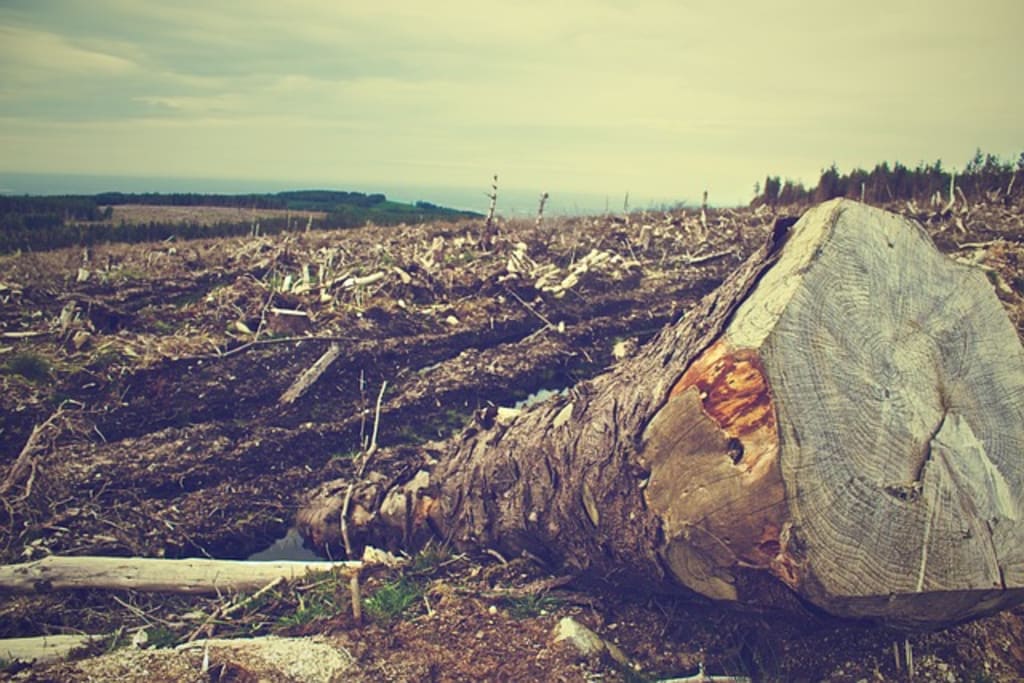
Deforestation, the widespread removal of trees and vegetation from forests, is a critical environmental issue that poses significant threats to ecosystems worldwide. Forests play a crucial role in maintaining the balance of our planet's ecosystem, providing habitat for countless species, regulating climate patterns, and supporting the livelihoods of millions of people. However, the relentless expansion of agriculture, logging, and urbanization has led to the rapid destruction of forests, with severe consequences for biodiversity, climate change, and human well-being. This article explores the causes, impacts, and potential solutions to the problem of deforestation.
1-Causes of Deforestation:
Understanding the causes of deforestation is essential for developing effective strategies to address and mitigate this destructive phenomonen:
- Agricultural Expansion: One of the primary drivers of deforestation is the expansion of agricultural activities. As the global population continues to grow, there is an increasing demand for food and agricultural products. Large-scale commercial agriculture, including the cultivation of crops like soybeans, palm oil, and cattle ranching, often leads to the clearing of forests to make way for farmland.
- Infrastructure Development: The development of infrastructure, including roads, highways, dams, and urban areas, requires the clearance of land, including forests. Infrastructure projects are often implemented to support economic growth and urbanization, but they can result in the fragmentation and loss of forested areas.
- Logging: Logging, both legal and illegal, contributes significantly to deforestation. The demand for timber and wood products drives the logging industry, leading to the removal of trees from forests. Unsustainable logging practices, such as clear-cutting, can result in extensive forest degradation and destruction.
- Fuelwood and Charcoal Production: In many regions, especially in developing countries, wood is a primary source of fuel for cooking and heating. The reliance on fuelwood and charcoal leads to the unsustainable harvesting of trees from forests, contributing to deforestation.
- Population Growth and Poverty: Rapid population growth, coupled with poverty and lack of alternative livelihoods, can drive people to engage in unsustainable practices that contribute to deforestation. Subsistence farming, illegal logging, and the conversion of forests for settlements are some examples of activities driven by socio-economic factors.
- Illegal Activities: Illegal logging, land encroachment, and unauthorized land conversion are prevalent causes of deforestation. Weak law enforcement, corruption, and inadequate governance contribute to these illegal activities, undermining forest conservation efforts.
- Illegal Activities: Illegal logging, land encroachment, and unauthorized land conversion are prevalent causes of deforestation. Weak law enforcement, corruption, and inadequate governance contribute to these illegal activities, undermining forest conservation efforts.
2-Impacts of Deforestation:
the rapid pace of deforestation worldwide has resulted in severe consequences. Understanding the impacts of deforestation is crucial for raising awareness about the urgency of this issue and formulating effective strategies to mitigate its effects:
- Loss of Biodiversity: Deforestation has severe consequences for biodiversity. Forests are home to a vast array of plant and animal species, many of which are unique and endemic to specific regions. When forests are cleared, these habitats are destroyed, leading to the loss of species and a decline in biodiversity. Many species depend on forests for their survival, and deforestation increases the risk of extinction for numerous plants, animals, and microorganisms.
- Soil Degradation and Erosion: Trees and vegetation in forests help to maintain soil fertility and prevent erosion. Their roots bind the soil, reducing the risk of erosion by wind and water. When forests are removed, the exposed soil is vulnerable to erosion, leading to the loss of fertile topsoil. Soil degradation can have long-lasting effects on agricultural productivity and ecosystem health.
- Loss of Cultural and Indigenous Knowledge: Forests hold significant cultural and spiritual value for many indigenous peoples and local communities. They are deeply intertwined with their cultural identity, traditions, and indigenous knowledge systems. Deforestation not only threatens the physical environment but also erodes cultural heritage and indigenous knowledge associated with forest ecosystems.
- Loss of Medicinal Resources: Forests are often referred to as "pharmacies of the world" due to their rich biodiversity, which includes many plant species with medicinal properties. Indigenous communities and traditional healers rely on these resources for traditional medicine and healing practices. Deforestation can lead to the loss of potential medicinal resources, impacting both traditional healthcare systems and potential breakthroughs in modern medicine.
- Disruption of Ecological Interactions: Forest ecosystems are intricate networks of interdependencies, where various species rely on each other for survival. Deforestation disrupts these ecological interactions, leading to imbalances in predator-prey relationships, pollination, seed dispersal, and nutrient cycling. This disruption can have cascading effects on the overall functioning and resilience of ecosystems.
- Impacts on Indigenous and Local Communities: Deforestation often disproportionately affects indigenous peoples and local communities who have long-standing relationships with forest ecosystems. These communities rely on forests for sustenance, cultural practices, and their overall way of life. When forests are degraded or destroyed, it can lead to the displacement, loss of livelihoods, and social and cultural disruptions for these communities.
- Economic Implications: Forests have significant economic value, providing timber, non-timber forest products, and supporting various sectors such as tourism, ecotourism, and the forest industry. Deforestation can lead to economic losses in the long term, as forest resources become depleted, and the ecosystem services that support economic activities are compromised. Sustainable forest management practices can help preserve the economic value of forests while ensuring their long-term viability.
- Loss of Carbon Sequestration Potential: Forests are crucial in mitigating climate change by absorbing and storing carbon dioxide. When forests are cleared, not only is carbon released into the atmosphere, but the capacity to sequester carbon is also diminished. This reduction in carbon sequestration exacerbates the challenge of reducing greenhouse gas emissions and combating climate change.
3-Solutions to Deforestation:
The loss of forests has detrimental effects on biodiversity, ecosystems, climate, and human well-being. Finding effective solutions to address deforestation is crucial to mitigate its impacts and preserve the invaluable benefits provided by forests.here are some solutions:
- Promote Sustainable Agriculture: Encouraging and supporting sustainable agricultural practices can help reduce the need for large-scale deforestation. This includes promoting agroforestry, which integrates trees and vegetation into agricultural systems, as well as promoting organic farming and practices that minimize chemical inputs. Sustainable agriculture methods can increase productivity while minimizing the conversion of forests into farmland.
- Establish and Protect Forest Reserves: Creating protected areas, national parks, and forest reserves is essential for conserving forests and their biodiversity. These protected areas should have effective management plans and enforcement to prevent illegal activities such as logging and encroachment. They serve as refuges for endangered species and preserve critical habitats.
- Strengthen Land Ownership and Tenure Rights: Clarifying and strengthening land ownership and tenure rights, particularly for indigenous peoples and local communities, can incentivize responsible forest management. When communities have secure rights over their lands, they have a vested interest in sustainable practices and are more likely to be effective stewards of the forests.
- Implement Effective Policies and Governance: Governments play a vital role in addressing deforestation by enacting and enforcing legislation that protects forests and promotes sustainable land-use practices. This includes strengthening environmental regulations, promoting transparency and accountability, and combating corruption and illegal activities associated with deforestation. International cooperation and agreements can also support efforts to combat deforestation on a global scale.
- Support Forest Restoration and Reforestation: Initiating large-scale forest restoration and reforestation efforts can help restore degraded lands and increase forest cover. This can be done through afforestation, which involves planting trees in areas where forests have been completely cleared, or reforestation, which involves replanting trees in areas that were previously forested.
- Foster Collaboration and Partnerships: Collaboration between governments, non-governmental organizations (NGOs), local communities, and private sector entities is essential in addressing deforestation. Partnerships can facilitate the sharing of knowledge, resources, and expertise, leading to more effective and comprehensive solutions. Multi-stakeholder initiatives, such as the Tropical Forest Alliance, bring together various actors to work towards reducing deforestation and promoting sustainable practices.
- Support Sustainable Forest Management: Promoting sustainable forest management practices is crucial for maintaining the long-term health and productivity of forests. This includes implementing forest management plans that take into account ecological, social, and economic factors. Sustainable forest management aims to balance the extraction of forest resources with conservation and restoration efforts, ensuring the sustainable use of forest ecosystems.
- Strengthen Monitoring and Enforcement: Enhancing monitoring and enforcement capabilities is vital for detecting and preventing illegal deforestation activities. This can be achieved through the use of satellite imagery, remote sensing technologies, and the development of robust monitoring systems. Strengthening law enforcement, including penalties for illegal activities, can act as a deterrent and help ensure compliance with forest protection regulations.
- Invest in Green Economy Initiatives: Investing in green economy initiatives, such as sustainable forestry projects, can provide economic incentives for forest conservation. This includes supporting initiatives that promote sustainable forest-based industries, such as eco-tourism, sustainable timber production, and the development of non-timber forest products. Green financing mechanisms can also provide financial support for sustainable land-use practices.
- Strengthen International Cooperation: Deforestation is a global challenge that requires international cooperation and collaboration. Governments, organizations, and stakeholders from different countries need to work together to address deforestation through initiatives like the United Nations Collaborative Programme on Reducing Emissions from Deforestation and Forest Degradation (UN-REDD) and the Paris Agreement, which includes provisions for reducing emissions from deforestation and forest degradation.
In the conclusion,Deforestation poses a severe threat to ecosystems, biodiversity, and the stability of our planet's climate. Urgent action is needed to address the causes and consequences of deforestation. By adopting sustainable land-use practices, conserving forests, and promoting responsible governance, we can mitigate the impacts of deforestation and work towards a more sustainable future where forests thrive, biodiversity flourishes, and the well-being of both nature and humanity is protected.
About the Creator
lynda
I have always enjoyed writting and exploring new ideas.
Inflation Remained at 2.7% in December: High Prices Continue to Weigh on Many Americans
As Americans rang in the new year, many were relieved to see that inflation in December held steady at 2.7%, according to the latest reports. On the surface, this might seem like good news — a signal that runaway price growth is slowing. But for countless households across the country, the reality is more complicated: high prices continue to strain budgets, affecting everything from groceries to gas, rent, and beyond. The Numbers Behind the Headlines December’s 2.7% inflation rate, measured year-over-year, shows no significant change from November. This is a continuation of the trend economists have watched closely throughout 2025: after a period of intense price spikes, inflation appears to be moderating but remaining stubbornly above pre-pandemic norms. Key areas contributing to this steady inflation include: Food prices, particularly meat, dairy, and fresh produce, which have remained elevated due to supply chain challenges and global agricultural pressures. Housing costs, including rents and home prices, which continue to rise in many urban and suburban markets. Energy prices, especially gasoline and home heating, which fluctuate seasonally but have not dropped enough to ease household pressure. While 2.7% may seem manageable compared to the double-digit spikes of 2021–2022, it still outpaces wage growth for millions of Americans, meaning that in real terms, many are experiencing reduced purchasing power. How Inflation Affects Everyday Americans For many families, the impact of steady inflation is tangible. Consider this: a household spending $500 a month on groceries in 2025 might now be paying over $535 for the same items. Gasoline, which has seen seasonal swings, can quickly add dozens of dollars to monthly commuting costs. Rent, historically the largest expense for most households, has grown faster than wages in many cities. A steady 2.7% inflation rate means renters face incremental increases in living costs every month, often outpacing salary adjustments. Even seemingly small price increases ripple across budgets. Families may delay purchases, cut discretionary spending, or tap savings, which in turn affects broader consumer demand — a key driver of economic growth. The Role of the Federal Reserve and Economic Policy Inflation is not just about prices at the grocery store — it’s also shaped by monetary policy, interest rates, and government action. Throughout 2025, the Federal Reserve maintained a cautious approach, keeping interest rates relatively high to control inflation without triggering a recession. The Fed’s actions aim to balance: Slowing price growth to protect consumers’ purchasing power Avoiding a sharp economic downturn that could result from overly aggressive rate hikes Despite these efforts, economists warn that inflation’s persistence at 2.7% suggests structural pressures in the economy. Global supply chain disruptions, rising energy costs, and ongoing demand for goods and services continue to exert upward pressure on prices, making it harder for policy alone to bring relief. Inflation and Wage Growth: A Delicate Balance One of the most concerning aspects of steady inflation is its relationship with wages. For workers whose salaries haven’t kept pace with rising costs, inflation effectively reduces real income. Some sectors, like technology and healthcare, have seen modest wage gains, but many service industries — retail, hospitality, and small businesses — continue to struggle. Employees in these fields often find that even small price increases can significantly affect their quality of life, from grocery shopping to transportation and childcare expenses. What This Means for the Economy Steady inflation at 2.7% has several implications for the broader economy: Consumer Spending: When households feel the pinch, discretionary spending declines, which can slow economic growth. Investment Decisions: Businesses facing higher input costs may delay expansion or hiring, affecting job markets. Housing Market Dynamics: Rising rent and home prices continue to challenge affordability, influencing both buyers and renters. Financial Planning: Americans are increasingly turning to budgeting strategies, high-yield savings, or side income to offset higher costs. Economists stress that while inflation at this level is not catastrophic, it remains a long-term concern, especially if wages fail to keep up with price growth. Strategies for Coping with Persistent Inflation For households navigating these pressures, there are several approaches: Budget adjustments: Tracking expenses and prioritizing essential costs can help manage monthly finances. Smart shopping: Using discounts, bulk purchasing, and price comparison can reduce grocery and household costs. Energy efficiency: Lowering utility bills through energy-saving practices mitigates rising energy prices. Financial literacy: Investments, savings, and debt management become even more crucial in times of persistent inflation. While these steps cannot eliminate inflation’s impact, they provide tangible ways for Americans to protect their finances. Looking Ahead Economists predict that inflation in 2026 may continue to hover around 2–3%, barring unexpected shocks such as global conflicts, energy crises, or supply chain disruptions. While not extreme, this range continues to influence household budgets, corporate planning, and government policy decisions. For many Americans, the lesson is clear: even modest inflation can weigh heavily on day-to-day life. Staying informed, adjusting financial habits, and understanding the economic landscape remain essential for navigating a world where prices are higher than before. Steady inflation at 2.7% is a reminder that economic stability is fragile. While the numbers suggest moderation, the lived experience of millions of Americans shows that high prices are far from over, influencing decisions from grocery shopping to career planning. As the new year unfolds, households, businesses, and policymakers alike must grapple with the realities of an economy where every percentage point matters.
By Muhammad Hassan3 days ago in Earth
UAE Enters Al Shabt: Brace for Winter’s Coldest Days
The United Arab Emirates is set to experience one of the harshest winter spells in recent memory as the country enters Al Shabt, a period traditionally associated with extreme cold. Residents across the emirates are being urged to prepare for temperatures that are expected to drop well below seasonal averages, with potential disruptions to daily life, travel, and energy consumption. Meteorologists have warned that Al Shabt, historically marked by icy winds and sudden temperature dips, will this year be particularly severe due to a combination of regional weather patterns and shifting global climatic trends. Forecasters predict nighttime temperatures in some areas could drop to as low as 8–10°C, a significant decline for a country more accustomed to mild winters. Coastal regions may experience slightly warmer conditions, but the cold will be intensified by strong northern winds sweeping across the Arabian Peninsula. Understanding Al Shabt Al Shabt, which translates to “the coldest part of winter,” is a term deeply embedded in Gulf traditions. Historically, Bedouins and farmers used the period to plan agricultural activities, livestock care, and resource management. Today, while modern infrastructure and urban planning mitigate some effects of the cold, the cultural significance remains, and residents are reminded of its intensity through historical observations and local weather lore. “Al Shabt is more than a cultural marker—it’s a meteorological reality,” said Dr. Aisha Al Mansoori, a senior climatologist at the UAE National Center for Meteorology. “We are observing patterns that suggest this Al Shabt could be colder than usual. Residents should take precautions, especially in northern and inland regions where the temperature drop will be most pronounced.” Preparing for the Cold Authorities across the UAE are taking proactive measures to help residents and businesses prepare for the upcoming cold spell. The Ministry of Interior has issued advisories for motorists to check vehicle heating systems and tire conditions, while electricity and water authorities are ensuring that energy grids are ready for increased demand. Hospitals and emergency services have also been put on alert to handle potential cold-related health incidents. Schools and universities are expected to remain open, but parents are being advised to dress children in warm layers and limit outdoor exposure, especially during early morning and late evening hours. Workplaces are encouraged to implement flexible schedules to reduce the risks associated with commuting during frigid mornings. Travel and Transportation Challenges The UAE’s extensive road network and urban infrastructure may face some challenges during Al Shabt. While snow is highly unlikely, fog formation during the early morning hours could reduce visibility, leading to potential travel disruptions. Aviation authorities are coordinating with meteorologists to monitor conditions at major airports, ensuring that flights remain on schedule while prioritizing passenger safety. “Drivers should exercise caution and plan extra time for their journeys,” said Hamad Al Suwaidi, a senior official at the Roads and Transport Authority. “Even a minor dip in temperature can create slick roads in certain areas, and we advise everyone to remain vigilant and adhere to safety guidelines.” Impact on Daily Life Beyond transportation, the cold weather is expected to affect outdoor events, construction projects, and energy consumption. Many outdoor workers may need additional protective clothing, while households will see a surge in electricity usage for heating. Retailers and service providers are preparing for increased demand for warm clothing, heaters, and other winter essentials. Health experts emphasize the need for precautions, particularly among vulnerable populations such as the elderly, children, and individuals with preexisting conditions. “Cold weather can exacerbate respiratory illnesses and cardiovascular problems,” said Dr. Mohammed Al Hammadi, a public health specialist. “Hydration, proper clothing, and staying indoors during the coldest hours are key measures to minimize health risks.” Looking Ahead While Al Shabt is expected to last for several days, meteorologists suggest that the period of extreme cold will gradually ease as the region transitions toward milder winter conditions. Nevertheless, residents are advised to remain prepared and informed, as sudden weather shifts are common in the Gulf. “The key to navigating Al Shabt is awareness and readiness,” Dr. Al Mansoori concluded. “The cold may be intense, but with proper precautions and respect for the weather, residents can stay safe and even enjoy the unique aspects of this traditional winter period.” In the coming days, the UAE will experience an unusual contrast—desert landscapes typically associated with warmth will be gripped by biting cold, reminding residents of the country’s diverse climatic character. As the nation braces for Al Shabt, the emphasis is on preparation, safety, and resilience, ensuring that the coldest days of winter are met with caution rather than surprise.
By Fiazahmedbrohi about 6 hours ago in Earth



Comments
There are no comments for this story
Be the first to respond and start the conversation.