

The Extreme Realities of Death Valley, California
Death Valley in California is a place like no other, where the scorching heat can turn the ground into a makeshift stovetop. In this desert basin, temperatures have reached an astonishing 134 degrees Fahrenheit (56 degrees Celsius), marking the highest recorded air temperature on Earth. The unique topography of the region, with its deep craters and mountain ranges, contributes to this extreme climate by trapping hot air and preventing rain clouds from forming, resulting in perpetual drought. While Death Valley's mesmerizing landscapes draw visitors from all over the world, the journey comes with inherent risks, including heatstroke and encounters with its diverse population of dangerous animals. In this article, we will delve into the fascinating yet perilous world of Death Valley.
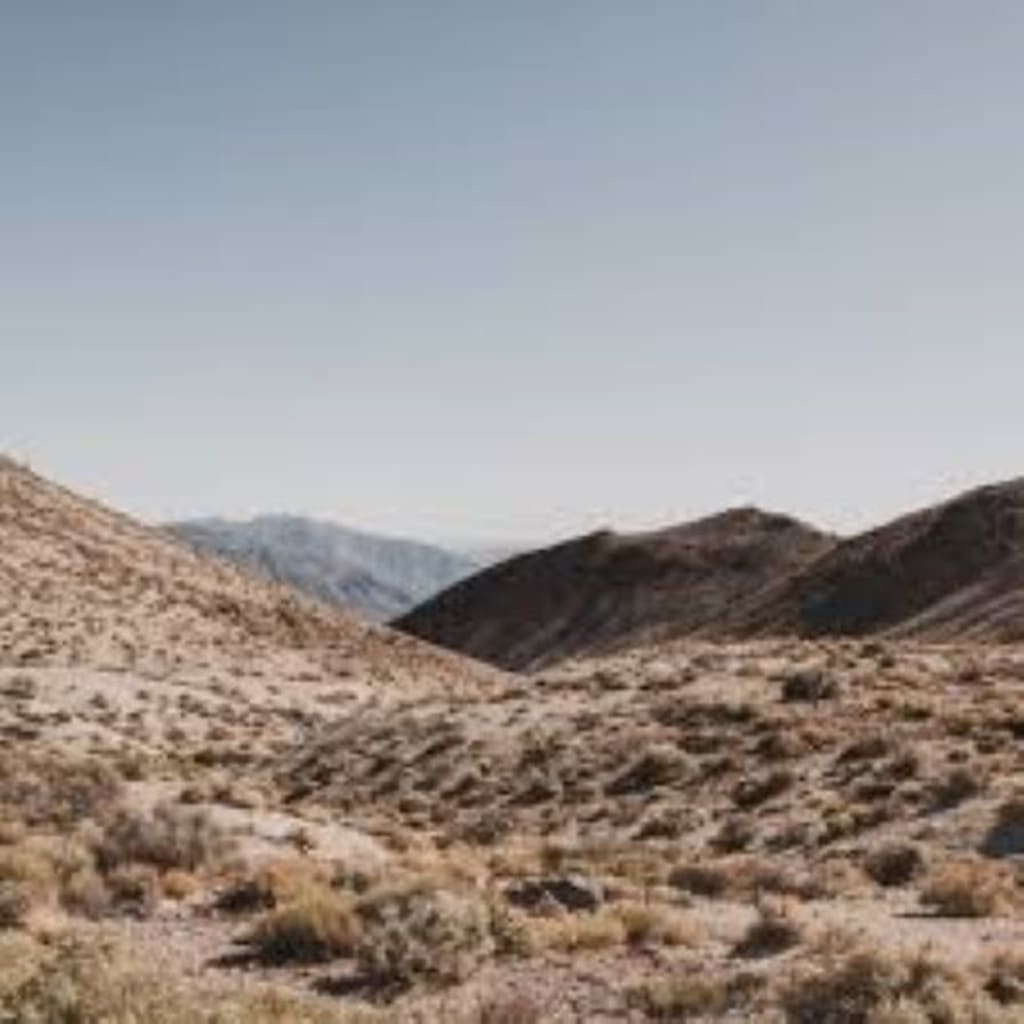
Death Valley's claim to fame is undoubtedly its intense heat. It holds the record for the highest air temperature ever recorded on the planet, an astounding 134 degrees Fahrenheit. This scorching heat is a result of several geographical factors that create a natural oven within the valley. The landscape of Death Valley is punctuated by deep craters that trap pockets of scalding air. These natural depressions act as heat sinks, causing the temperature to soar. Additionally, the surrounding mountain ranges, including the Amargosa Range to the east and the Panamint Range to the west, create a rain shadow effect. This means that they block the majority of rain clouds from forming in the region, keeping Death Valley arid and dry year-round. It's a place where the ground is parched, and moisture is a rare commodity.
Visitors to Death Valley face significant risks due to its extreme climate. The most immediate danger is the potential for heatstroke and dehydration. With temperatures well above 100 degrees Fahrenheit during the summer months, it's essential to be well-prepared. Hydration is a matter of life and death in this unforgiving environment, and anyone venturing into the valley should carry an ample supply of water.
The dangers in Death Valley extend beyond the heat, as the region is home to a variety of formidable creature such as rattlesnakes, scorpions, black widow spiders, and mountain lions which are just but a few of the menacing animals that inhabit the area. These creatures are well-adapted to the harsh desert conditions, making encounters a real possibility for unsuspecting visitors. It is crucial to exercise caution and remain vigilant when exploring the desert.
One of the most peculiar aspects of Death Valley is the ground itself. It can become so scorching hot that it's not uncommon for people to claim that you can fry an egg on it. While this may sound like a novelty, it's not something to be taken lightly. In 2017, a tourist was hospitalized with third-degree burns after walking barefoot on the sizzling ground, which can reach temperatures as high as 201 degrees Fahrenheit.
As for frying eggs, it's a common misconception that it's a harmless and amusing activity for visitors. However, the reality is quite different. Park rangers spend countless hours each day cleaning up eggshells and empty cartons left behind by well-intentioned but misguided tourists. The egg-frying habit has become a nuisance and a detriment to the fragile ecosystem of Death Valley.
In conclusion, Death Valley is a place of unparalleled extremes, where the heat is both a marvel and a danger. While the allure of its otherworldly landscapes draws visitors from around the world, it's vital to respect and safeguard this remarkable but fragile environment. By taking precautions and appreciating the desert's raw beauty responsibly, visitors can have a safe and memorable experience in this extraordinary corner of California.
About the Creator
Judy Sibby
I love to write about anything and everything more-so on facts of nature, mystery and lifestyle. You are welcome to explore the world with me.
Keep reading
More stories from Judy Sibby and writers in Earth and other communities.
SNAKE ISLAND
Snake Island: The Forbidden Paradise of Deadly Serpents Nestled in the treacherous waters of the Atlantic Ocean off the coast of Brazil lies an island that has earned a fearsome reputation – Snake Island. Officially known as Ilha da Queimada Grande, this seemingly idyllic island has become a sanctuary for one of Latin America's most deadly serpents, the Golden Lancehead. With approximately 4,000 venomous snakes inhabiting its dense vegetation, Snake Island is a place only for the brave or the foolhardy. In this article, we will delve into the enigmatic history of Snake Island, the perilous creatures that call it home, and the reasons behind the strict prohibition on visitors.
By Judy Sibby2 years ago in Earth
Super Intelligent Aliens
For centuries, humanity has gazed at the night sky with a mixture of wonder and curiosity. The question of whether we are alone in the universe has fascinated philosophers, scientists, and storytellers alike. With recent advancements in astronomy, artificial intelligence, and space exploration, the possibility of extraterrestrial life no longer belongs solely to science fiction. Among the many hypotheses about alien life, one of the most unsettling is the existence of super intelligent aliens—beings whose intellectual, technological, and strategic capabilities far surpass those of humans. While the idea may seem speculative, the potential threat posed by such entities raises serious concerns about human survival, autonomy, and the future of civilization.
By Ibrahim Shah 4 days ago in Earth
Writing About Writing: The Rainbow Trap
The good thing about living in modern times is that LGBTQ representation in media is increasing. Not just in niche and Independant media, either, but also in mainstream media. Books, movies, TV shows, comics... they're finally catching on that LGBTQ+ people form a significant part of their audience, and deserve to see themselves on screen and in fiction, not just as victims in documentaries and true crime shows.
By Natasja Rose6 days ago in Writers




Comments
There are no comments for this story
Be the first to respond and start the conversation.