
Coral bleaching
Coral Bleaching: Causes, Effects, and Solutions

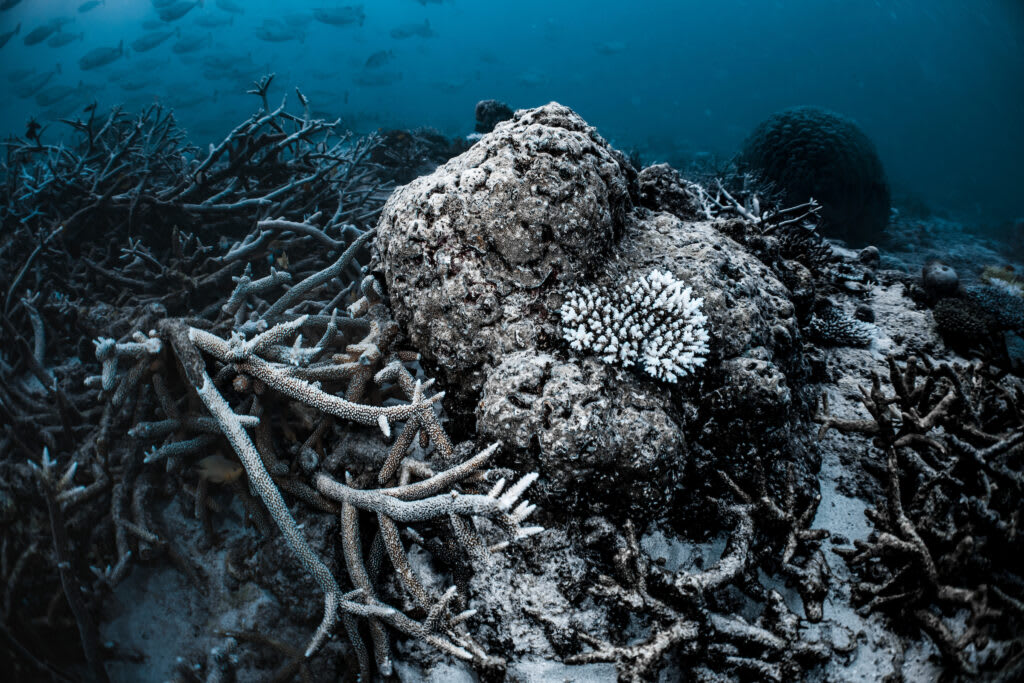
Coral reefs are among the most diverse and vital ecosystems on Earth, providing habitat for countless marine species, supporting coastal economies, and acting as natural barriers against waves and storms. However, they are facing a severe threat: coral bleaching. This phenomenon, primarily driven by climate change, threatens the survival of coral reefs worldwide. Understanding coral bleaching, its causes, impacts, and potential solutions is crucial for marine conservation and global biodiversity.
What is Coral Bleaching?
Coral bleaching occurs when corals expel the symbiotic algae (zooxanthellae) living within their tissues, which give corals their vibrant colors and provide them with essential nutrients through photosynthesis. When stressed, corals lose these algae, turning white or "bleached." While corals can survive short-term bleaching, prolonged stress often leads to their death, severely impacting reef ecosystems.
Causes of Coral Bleaching
Rising Ocean Temperatures
The primary driver of coral bleaching is increased sea surface temperatures due to climate change. Corals are highly sensitive to temperature fluctuations, and even a rise of 1-2°C above their normal range can trigger bleaching. Prolonged exposure to elevated temperatures disrupts the symbiotic relationship between corals and algae, leading to bleaching events.
Ocean Acidification
The absorption of excess carbon dioxide (CO2) by the oceans leads to ocean acidification, which weakens coral skeletons and makes them more susceptible to bleaching. Acidic waters reduce the availability of calcium carbonate, essential for coral growth and reef structure maintenance.
Pollution
Runoff from agriculture, industry, and urban development introduces pollutants like pesticides, heavy metals, and excess nutrients into coastal waters. These contaminants can stress corals and encourage algal blooms, which reduce oxygen levels and increase the likelihood of bleaching.
Overfishing and Destructive Fishing Practices
The removal of key marine species disrupts the delicate balance of reef ecosystems. Overfishing of herbivorous fish, for example, allows algae to grow unchecked, smothering corals and making them more prone to bleaching. Additionally, destructive practices like cyanide fishing and blast fishing cause direct damage to reefs.
Sedimentation
Coastal development, deforestation, and poor land-use practices lead to increased sediment runoff into the ocean. Sediment accumulation can suffocate corals, block sunlight essential for photosynthesis, and contribute to stress-induced bleaching.
Effects of Coral Bleaching
Loss of Marine Biodiversity
Coral reefs support approximately 25% of all marine life. Bleaching leads to the death of corals, resulting in habitat loss for fish, crustaceans, mollusks, and other marine organisms. This disrupts the food chain and reduces biodiversity.
Economic Impact on Fisheries and Tourism
Healthy coral reefs sustain fisheries that provide food and livelihoods for millions of people worldwide. Bleached reefs, however, lead to declining fish populations. Furthermore, coral reefs attract tourists for snorkeling and diving, generating billions of dollars annually. Widespread bleaching can damage local economies dependent on marine tourism.
Coastal Erosion and Increased Storm Damage
Coral reefs act as natural barriers that protect coastlines from waves, storm surges, and erosion. When reefs deteriorate due to bleaching, coastal communities become more vulnerable to flooding, property damage, and land loss.
Disruption of Ecosystem Services
Coral reefs play a vital role in carbon and nutrient cycling. When corals die, their ability to provide essential ecosystem services declines, affecting not only marine life but also the overall health of the ocean.
Solutions and Conservation Efforts
Reducing Greenhouse Gas Emissions
The most effective way to combat coral bleaching is to address climate change. Governments and industries must commit to reducing carbon emissions by transitioning to renewable energy sources, improving energy efficiency, and promoting sustainable practices.
Marine Protected Areas (MPAs)
Establishing MPAs helps conserve coral reefs by restricting harmful activities like overfishing and destructive tourism. MPAs give coral ecosystems a better chance to recover from bleaching events.
Sustainable Fishing Practices
Implementing regulations to prevent overfishing and banning destructive fishing techniques can help maintain the ecological balance of reef ecosystems. Encouraging sustainable aquaculture and community-led conservation efforts also play a crucial role.
Reducing Coastal Pollution
Proper waste management, reducing agricultural runoff, and implementing wastewater treatment programs can minimize pollution and protect coral reefs from harmful contaminants.
Coral Restoration Programs
Scientists and conservationists are working on coral restoration techniques, including coral gardening and selective breeding of heat-resistant coral species. These efforts help replenish damaged reefs and improve their resilience to future bleaching events.
Raising Public Awareness
Educating communities, policymakers, and tourists about the importance of coral reefs and the dangers of bleaching can drive positive action. Responsible tourism, reduced plastic usage, and community-led conservation projects all contribute to reef protection.
IN THE END
Coral bleaching is a pressing environmental issue that threatens the health of marine ecosystems and human livelihoods. While climate change remains the leading cause, other factors like pollution, overfishing, and coastal development exacerbate the problem. Addressing these challenges requires a global effort, including reducing carbon emissions, implementing sustainable practices, and supporting coral conservation initiatives. By taking action now, we can help ensure the survival of coral reefs for future generations.
About the Creator
Badhan Sen
Myself Badhan, I am a professional writer.I like to share some stories with my friends.
Keep reading
More stories from Badhan Sen and writers in Earth and other communities.
Sea-level rise
Sea-level rise is one of the most pressing environmental challenges of our time. It refers to the increasing height of the world’s oceans due to climate change and other environmental factors. This phenomenon has severe implications for coastal communities, ecosystems, and global economies. Understanding its causes, consequences, and potential solutions is crucial for mitigating its impact and preparing for the future.
By Badhan Senabout a year ago in Earth
~ Fired ~
— Ai Intrusion ~ Are you Next ~ Is Ai Evolution after your job? — Few workplaces haven't been affected. Ai is in supermarkets, at doctors' offices, and even monitoring farms. I just can't think of anything this machine is not getting into, can you? For instance: Education ~ Law and Tech jobs will one day have a major influence or be taken over by these inanimate machines, with accuracy and vigor. From mechanics' diagnoses to a wide variety of everyday jobs, including fast food workers, with this input having the ability to cut their unnecessary work hours. I'm certain all of us have been touched by this with our short stories and colorful headings, have you? Even comments are very questionable 'Non-Robot' insertions.
By Jay Kantor7 days ago in Journal


Comments (2)
OMG, reading this, I felt like I reading the entrance thesis my granddaughter had to write on why she wanted to become a Marine Scientist (which she is now). You covered the same topics that was in her presentation that caused her grades to excel. What you wrote needs to be seen by more than just the people here on VM. Please find a way to share it more widely. It's too important to stay hidden. Thank you for writing this.
Nice work . Please check my stories out as well if you get a chance.