
Creatures in the Indian Ocean
Sea life beneath the Indian Ocean


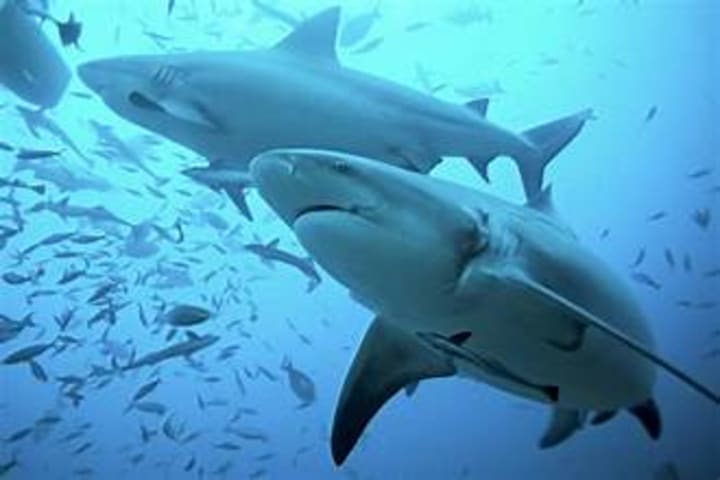
Bull sharks are a species of shark beneath the Indian Ocean. These sharks can be found in shallow, warm waters along coasts and rivers. They have very short snouts. They are very aggressive and the third biggest threat to humans.
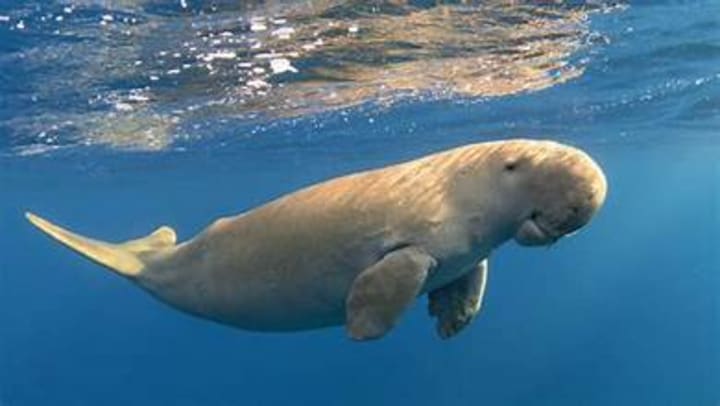
Dugongs inhabit the shallow waters along the coasts of East Africa, the Arabian Peninsula, and parts of Southeast Asia. These gentle creatures prefer areas with abundant seagrass beds, which are crucial for their diet. Dugongs are social animals, often found in small groups.
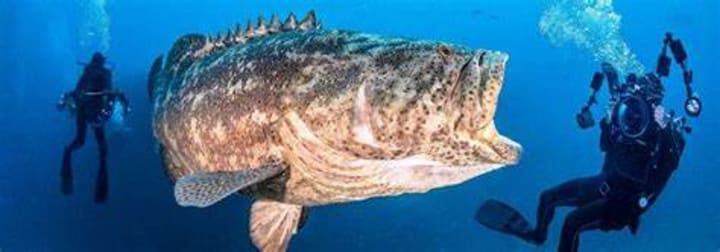
Giant groupers are a species that is part of the subfamily Epinephelinae and from the same family as anthias and sea bass. They are found in the Indo-Pacific Ocean, inhabiting shallow waters. They dine on fish, including small sharks. These fish travel on their own.
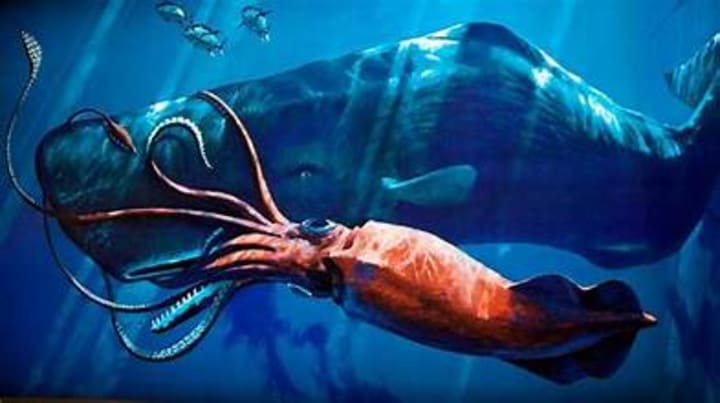
Giant squids are very large and reach between 12 and 13 meters. They live down deep in the ocean. These squids are a source of prey to killer whales and certain sharks. It is hard to find them in the depth.
Great barracudas (pictured above) are a species that is found in parts of the Indian, Atlantic, and Pacific Oceans. They are among the biggest species of barracuda in the world. Great barracudas have powerful jaws and are elongated fish. They are big hunters and eat other fish and shrimp. These fish often travel alone.
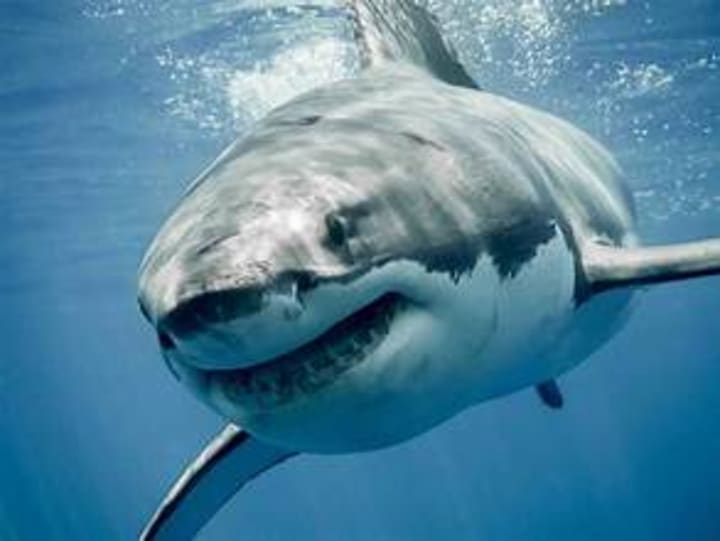
Great white sharks are the top predators and inhabit both coastal and offshore areas of the Indian Ocean. They have a distinct counter-shading pattern. They prefer to eat marine mammals, fish, and seabirds.
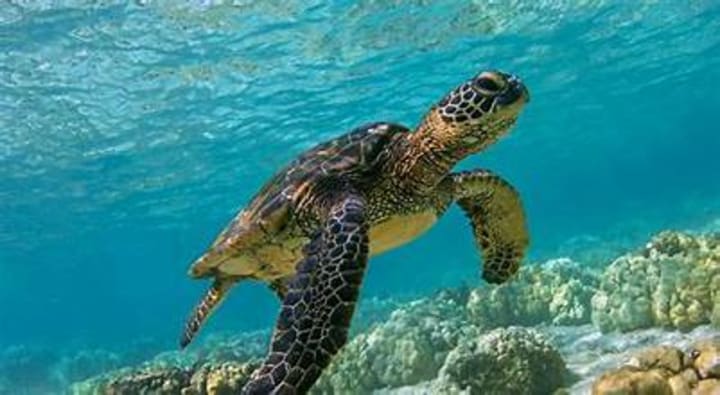
Green sea turtles enjoy the warm coastal waters of the Indian Ocean. These turtles weigh in between 150 and 400 pounds. They are herbivores and feed on sea grasses and algae. Sea turtles nest on tropical beaches like those in the Lakshadweep Islands.
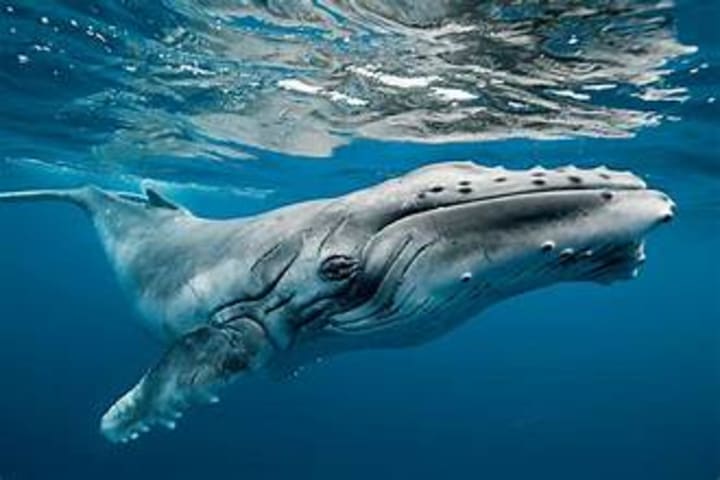
Humpback whales are easily recognized by their long pectoral fins. They often display acrobatic behavior. Their diet includes krill and small fish. Humpback whales breed near the coast of East Africa and islands like Madagascar.
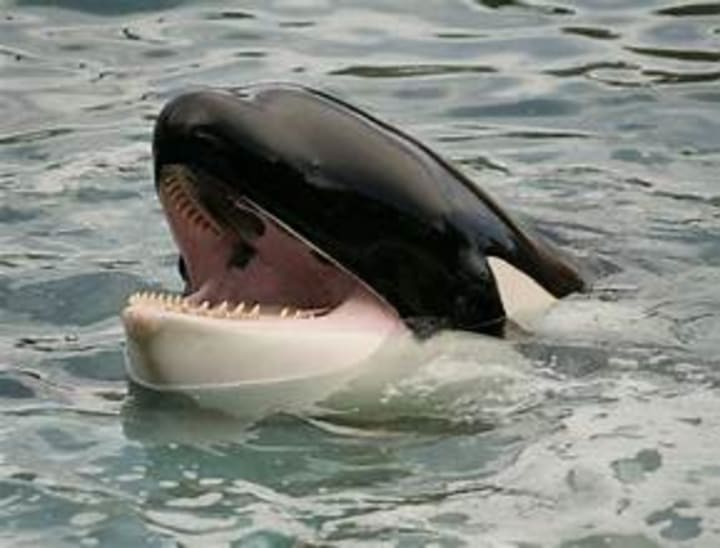
Killer whales, or orcas, are large marine mammals related to dolphins. They are known for their social structures and have a diet of fish, seals, and other whales. They are able to survive in both warm and cold waters. These are intelligent predators, highly organized in their hunting and often working in groups.
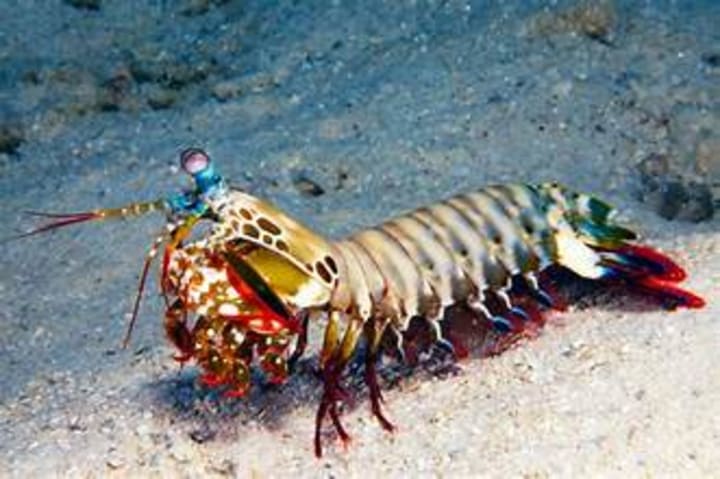
Mantis shrimps are very common in the Indian Ocean. They are relatives to the same group of species as crabs, lobsters, shrimp, and crayfish. They range in color from brown to brighter colors. They inhabit the base of coral reefs. They are known for their powerful claws and complex eyes. For protection, mantis shrimps can inflict painful wounds. They can keep hidden beneath the water.
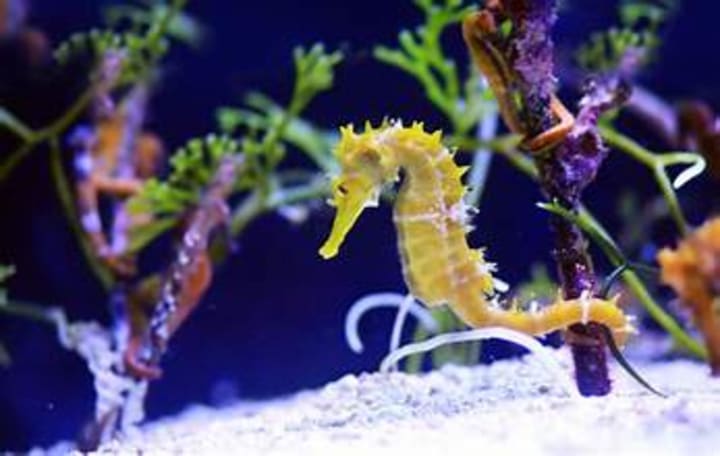
Seahorses are small, unique creatures that inhabit the shallow coastal waters of the Indian Ocean. They have horse-like heads and prehensile tails. These creatures feed on small crustaceans, using their snouts to suck in food. The most unique thing about seahorses is that males carry fertilized eggs until they hatch.
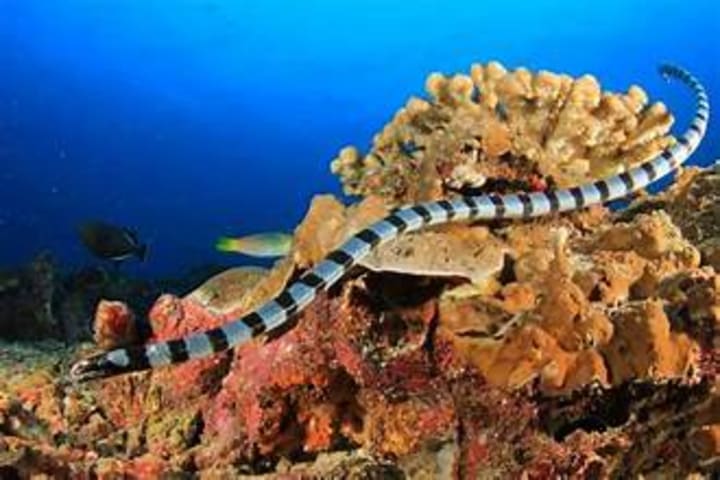
Sea snakes are a group of reptiles thriving in the warm waters of the Indian Ocean. There are over 60 species spread across coastal and open sea environments. These are venomous creatures adapted for aquatic life with flattened tails for swimming and extended lung capacity for long dives.
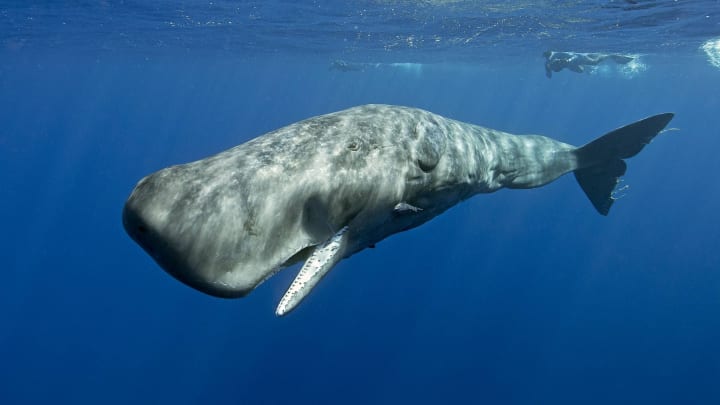
Sperm whales are the largest toothed whales, found in the deep waters of the Indian Ocean. They are known for their deep dives, using their large heads filled with spermaceti to help with buoyancy during these dives. They dine on squid and fish. These whales live in female-led pods.
About the Creator
Rasma Raisters
My passions are writing and creating poetry. I write for several sites online and have four themed blogs on Wordpress. Please follow me on Twitter.
Keep reading
More stories from Rasma Raisters and writers in Earth and other communities.
Amazing Animals Central African Republic
The Central African Republic, or CAR, is almost exactly in the center of the African continent. It is a landlocked country bordered by Cameroon, the Republic of the Congo, the Democratic Republic of the Congo, South Sudan, Sudan, and Chad. Its landscape is a combination of grasslands, savannas, and rainforests. Making their homes here are 731 species of birds, 209 species of mammals, 29 species of amphibians, and 187 types of reptiles.
By Rasma Raisters6 months ago in Earth
“Make America Go Away”: Spoof MAGA Caps Soar in Popularity Amid the Greenland Crisis
Political slogans have always been powerful, but in today’s hyper-connected world, they often take on a life of their own. In recent weeks, a new phrase has been popping up across social media, protests, and online marketplaces: “Make America Go Away.” Printed boldly on red caps that closely resemble the iconic MAGA hats, the slogan is a pointed parody—and it’s rapidly gaining popularity amid renewed tensions surrounding Greenland and U.S. foreign policy rhetoric.
By Aarif Lashari5 days ago in Earth


Comments
There are no comments for this story
Be the first to respond and start the conversation.