
COVID-19: A Global Tragedy
That Gave the Planet a Brief Moment to Breathe


The COVID-19 pandemic changed the world in unimaginable ways. It brought devastating loss of life, economic turmoil, mental health challenges, and disruptions to almost every aspect of daily living. Entire countries shut down, healthcare systems collapsed, and millions were left jobless or grieving. Without question, the pandemic was one of the greatest global tragedies of the modern era.
And yet, in the middle of this human catastrophe, something unusual happened—the Earth began to recover, even if just for a moment. As countries went into lockdown, flights were grounded, factories paused production, and vehicles vanished from roads. What followed was an unintentional but noticeable environmental transformation. While the cost was tragic, the pause gave scientists—and the world—a glimpse of what could happen if human impact on nature were suddenly reduced.
Cleaner Skies, Fresher Air
One of the most immediate and visible effects of the COVID-19 lockdowns was a significant reduction in air pollution. Satellite images captured by NASA and the European Space Agency showed dramatic drops in nitrogen dioxide (NO₂) levels across some of the world’s most polluted cities—such as Delhi, Beijing, and Los Angeles.
In just a few weeks, skies that were usually thick with smog turned clear. People in cities who had never seen stars at night began to notice constellations. In India, residents of northern states like Punjab reported seeing the Himalayas from over 100 miles away for the first time in decades.
This dramatic drop in pollution wasn’t just about aesthetics—it had health benefits too. Reduced air pollution meant fewer respiratory problems and potentially fewer premature deaths caused by long-term exposure to toxic air.
A Glimpse of Ozone Layer Recovery
Perhaps one of the most hopeful environmental changes during the pandemic was related to the ozone layer. Although the ozone’s recovery has been a long-term process—thanks to the global ban on ozone-depleting substances like CFCs—the reduced industrial activity during COVID-19 gave the healing process a surprising boost.
In 2020, scientists noted that one of the largest ozone holes over the Arctic had closed earlier than expected. While this wasn’t entirely due to COVID-19, the lack of pollution and decreased air traffic during the lockdown helped accelerate conditions that supported ozone stability.
The ozone layer acts as Earth's sunscreen, protecting us from harmful ultraviolet (UV) radiation. Its recovery is essential for preventing skin cancer, preserving ecosystems, and maintaining climate balance.
Wildlife Returned to Silence
With cities quieter and human activity paused, wildlife ventured into places where they were rarely seen. Dolphins were spotted in cleaner canals, deer wandered into urban neighborhoods, and birdsong replaced the constant drone of traffic.
While many viral videos were exaggerated or misinterpreted, scientists did confirm that reduced human presence gave ecosystems a short reprieve. Noise pollution dropped, animal movement patterns changed, and some species appeared to thrive without interference.
This brief rewilding served as a powerful reminder: when we give nature space, it responds with resilience.
Lessons We Must Not Forget
Though temporary, these positive environmental effects of the pandemic carry valuable lessons. The changes showed how deeply human behavior affects the planet—and how quickly nature can begin to recover when that pressure is reduced.
However, it's important to note that most of these improvements reversed once lockdowns lifted and industries resumed. Pollution levels bounced back. Deforestation continued. Carbon emissions rose again.
But that doesn’t mean the experience was meaningless.
COVID-19 revealed what is possible. It gave scientists real-world data on how fast the environment can respond to changes. It forced global governments to make drastic decisions for the sake of public health—decisions that many had claimed were impossible when it came to climate change.
The Way Forward: Conscious Change, Not Accidental Healing
We should never hope for another global crisis to save the planet. But we can learn from this one. The key takeaway is not that pandemics fix the environment—it’s that our actions matter, and collective change is possible.
Imagine if we reduced emissions not because we were forced to, but because we chose to—by investing in clean energy, prioritizing sustainable transport, and protecting forests. Imagine if governments acted with the same urgency on climate as they did on COVID-19.
We now know that skies can clear. Rivers can run cleaner. Wildlife can return. The Earth can heal—but only if we let it.
Conclusion: A Tragic Wake-Up Call with a Silver Lining
COVID-19 caused untold suffering across the globe. But amidst the tragedy, it also gave us a rare opportunity to witness what a slower, quieter, less polluted world could look like. This “pause” in human activity was a tragic accident—but the glimpse it provided into a healthier planet can be a guiding light for future action.
Let us not forget what we saw when the noise stopped. Let us not wait for another disaster to change course. The planet is asking for balance. The pandemic proved it's still possible to give it.
About the Creator
Taimoor Khan
Hi, I’m Taimoor Khan. Writing is my way of capturing the quiet moments of life that often go unnoticed.
Keep reading
More stories from Taimoor Khan and writers in Earth and other communities.
Climate Change:
Humanity is no longer on the brink of environmental crisis—we are living in it. The sixth mass extinction is not a prediction; it is our present reality. Climate change is not a problem waiting on the horizon. It is here, devastating ecosystems, destroying livelihoods, upending economies, and placing human life itself at risk. What’s unfolding around us is not a distant emergency—it’s a rapidly ticking clock toward irreversible damage. The question now is not whether we can respond, but whether we will.
By Taimoor Khan7 months ago in Earth
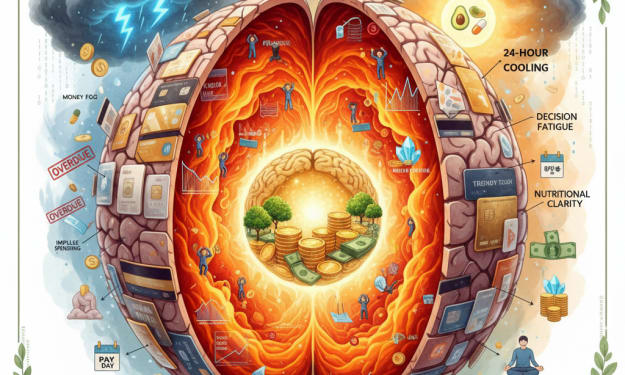
Navigating the Economy of Your Inner World
Core Concept: We are applying the "Niche Earth" philosophy to Personal Finance. This piece explores how to manage the "climate" of your bank account, avoid the "tectonic shifts" of impulse spending, and build a "solid core" of financial security through evidence-based habits.
By Being Inquisitive5 days ago in Earth



Comments
There are no comments for this story
Be the first to respond and start the conversation.