
Could We Survive the Eruption of the Pompeii Volcano Today?
The Pompeii volcanic eruption was a catastrophic event that resulted in many fatalities.

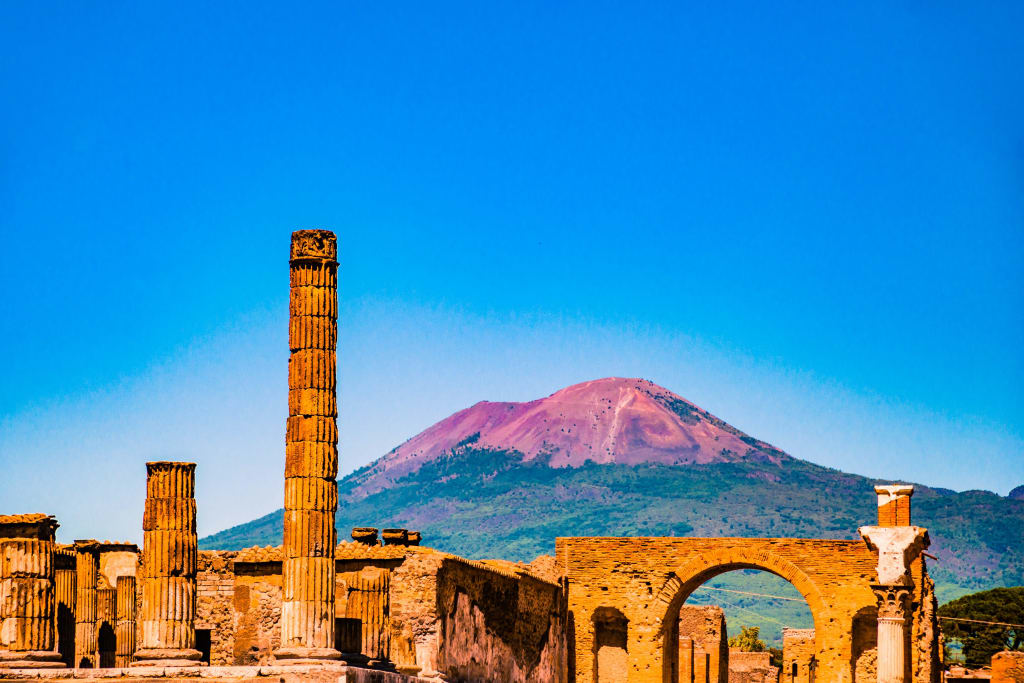
In this piece, we consider the possible consequences of a volcanic explosion similar to the one that destroyed Pompeii in modern times. We talk about the developments in technology and emergency response systems that might be able to keep us alive during such an event, as well as the difficulties and constraints we might encounter. Join us as we explore the science of surviving a devastating volcanic explosion.
One of the most infamous volcanic eruptions in history was the explosion of Mount Vesuvius in 79 AD, which obliterated the ancient city of Pompeii. The disaster, which claimed the lives of thousands of people, left a terrifying reminder of nature's power behind. But what if a comparable explosion happened right now? Could we survive such an event with the advancements in technology and emergency response systems? In this post, we'll examine the potential effects of a modern-day Pompeii-style eruption and talk about the difficulties and chances of surviving such a disastrous event.
This is not a make-believe scenario or story. The supervolcano on Mount Vesuvius completely destroyed Pompeii. It is wise to be aware of what the eruption did to Pompeii two thousand years ago in order to comprehend what consequences humanity would suffer if it awakened this time. Pompeii was a thriving town that may awaken again and destroy many other towns constructed near the mountain.
During the Roman Empire, a city on the west coast of Italy, only five miles from Vesuvius, served as a resort where the noblest and wealthiest people went to relax. They strolled through charming streets, lived in stunning villas, and had fun by fountains. The soil in this area was fertile because the ground around the volcano contained many beneficial elements. At the time of the eruption, there were about 12,000 people living in Pompeii, which may not seem like a lot by today's standards but was a significant population in those days. Olives and grapes from Pompeii were exported throughout the empire.
There was tension in the air due to the impending catastrophe when the volcano started to release thick smoke, soot, and ash. There was so much of it that it soon covered the sky over the city with a thick gray cloud. The catastrophe started unexpectedly in 79 CE. At first, everyone felt the ground tremble. Birds flew away from the volcano as far as they could.
Vesuvius ejected gases, pebbles, and heated ash that contaminated the air and made it difficult for inhabitants to breathe. They were unable to see inside this gray haze until it began to heavily rain. The water that fell on Pompeii was mixed with ash and soot; the roofs of the houses collapsed under the weight of the falling mud; streets, fountains, alleys, and squares were covered by millions of tons of soot; the next day, the destruction persisted with renewed force; there was an explosion of hot gas and crushed rock at the top of the mountain; a devastating explosion traveled at a speed of 100 miles per hour; it dispersed in all directions and vapor
Even though Vesuvius hasn't erupted since 1944, it remains one of the most dangerous volcanoes in the world, but no one is terrified of it. If the volcano erupts, it might cause one of the largest cataclysms in human history and affect three million people who live around the mountain, around 20 miles from the crater.
A supervolcano eruption can destroy the environment around it and cause technological disasters in large cities. The phone lines would be overloaded, people wouldn't be able to call their loved ones or the rescue service, and there would be major traffic jams. Since Pompeii was destroyed almost 2000 years ago, science and technology have advanced significantly. We plan to colonize Mars someday. We've created a metaverse.
However, so far, we are still powerless against the forces of nature. The only thing that can help us in such a situation is a preliminary warning about the impending eruption and good preparation, so if the disaster starts while you are walking on the streets, you should take shelter in a shelter or other indoor area. Fires would start because of falling hotspots, all flights would be canceled, and locals would have to hide in airports, supermarkets, and the subway. If you stay at home, cover your mouth and nose with any cloth and shut all windows and doors to prevent volcanic ash from entering your building or residence since these flammable particles can easily set a carpet or curtains on fire.
Place moist towels beneath the door. Still, if you must go outside for any reason, dress in a suit that completely encloses your body. Also, don't forget to protect your eyes by donning special glasses with a dust-proof feature, and don't forget to wear a mask.
If your home has a rainwater collection system, you must disconnect the pipes from the tank because rain with ashes is a hot, thick mixture that may easily break the water supply system. If you have a house, you must disconnect the downpipes from the gutters to prevent blocking the drains.
Set the refrigerator and freezer to the lowest temperature, and fill the tub and sink with water so that you will have water for cleaning and washing in case the main water supply is cut off. If the power goes out in the city, move to a room without windows above ground level and wait for a word from the authorities there. Keep the receiver close to you so you don't miss anything crucial. The gadget needs to be fully charged. a sturdy frame and an effective antenna.
Here's a great chance to survive the ash apocalypse: the eruption is getting worse and the radio announces the evacuation; at this point, you need to remain calm and follow the rescuers' orders.
Bring a bag of food, drink, and medical supplies from home. Flares, a first aid kit, and maps should all be in your emergency supply kit. sleep sacks with flashlights using a fire extinguisher. a portable phone charger, some charged batteries, and car tools.
You should keep a filled gas can with you at all times. It is not a good idea to go to the gas station if you live close to an active volcano. If you don't have a car, ask your friends for a ride or pay someone to take you; it's possible that the city administration will organize buses for evacuation; you would learn about it through the radio. In any case, before leaving the house, remember to turn off the gas and electrical appliances and shut off the valve with the water supply to protect your home from a gas leak or famine.
Pompeii is by no means the only city that the eruption of 1785 destroyed. A similar disaster occurred in the Japanese town of Aogashima, which was located right in the crater of an active volcano. One day it woke up in sunny weather, and no one suspected a disaster was coming. At some point, the birds rose in the air and flew away, and then the ground began to shake. A heavy, low sound came from the depths of the island, and thick streams of smoke and ash erupted from the volcano. The volcano threw dirt and big, red, hot stones into the sky; it looked like a meteor shower. People evacuated, and the mountain continued to erupt for several weeks. When the ashes settled, the volcano fell asleep again, and people began to return to their city despite the risk of a new eruption. They continue to live and work there today.
Since then, more than 200 years have passed, and the volcano has never woken up. Meteorological and seismological services monitor the situation and seismic activity. After all the horrors and devastation that a volcanic eruption leads to, harmony in nature eventually comes decades and centuries later when volcanic ash rich in helpful food elements settles on the soil and makes it fertile. Life will rise from the ashes like a phoenix.
Finally, there is hope that a similar eruption in the present era would not be as catastrophic, even though the eruption of the Pompeii volcano was a catastrophic event that resulted in many fatalities. Technology advances, early warning systems, and emergency response procedures have given us the information and resources we need to lessen the effects of such an incident and safeguard lives. It's crucial to remember that there are still constraints and difficulties to take into account, such as the unexpected nature of volcanic eruptions and the possibility of human error in emergency situations. Overall, it is evident that we have made great progress in our ability to respond to natural disasters, but in order to further increase our preparedness and response skills, we must continue to invest in research and development.
About the Creator
Althea March
I am a writer who searches for facts to create compelling nonfictional accounts about our everyday lives as human beings, and I am an avid writer involved in creating short fictional stories that help to stir the imagination for anyone.
Keep reading
More stories from Althea March and writers in Earth and other communities.
The Causes of Earthquakes Being Worse Than Moonquakes
The reasons why earthquakes are more destructive than moonquakes are discussed in this article. It explores the fundamental structural differences between the Earth and the Moon and talks about what causes earthquakes to be more devastating. By the article's conclusion, readers will have a better knowledge of the causes of earthquakes and how they differ from moonquakes.
By Althea March3 years ago in Earth
Global Agreement to Limit Greenhouse Gases Enters into Force
A major step in the global fight against climate change has begun as countries around the world start implementing a landmark agreement designed to limit greenhouse gas emissions. The agreement represents years of negotiations, scientific warnings, and increasing public concern about the growing impacts of global warming on ecosystems, economies, and human life.
By Irshad Abbasi 8 days ago in Earth


Comments