
A Polar Vortex Anomaly Is Approaching, Challenging Decades of Winter Climate Data
Forecasters warn that the speed and unusual configuration of this polar vortex system could reshape winter weather patterns across the globe
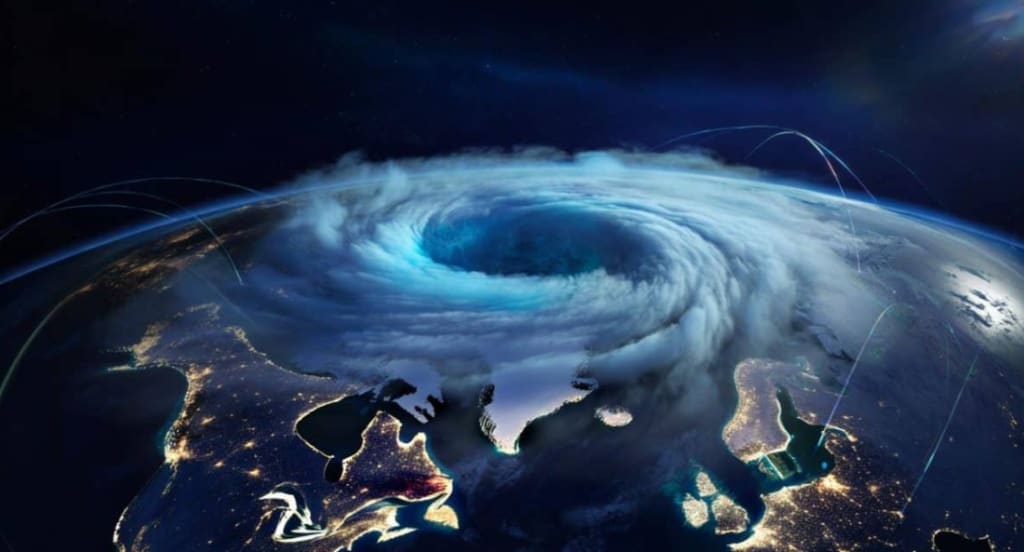
Meteorologists are closely monitoring a rare and powerful polar vortex anomaly that is approaching, and experts say its speed and structure are unlike anything seen in decades of winter climate records. This unusual atmospheric system has raised concerns about extreme cold outbreaks, disrupted weather patterns, and the growing unpredictability of global climate systems.
The polar vortex has long been a key driver of winter weather, but recent anomalies suggest that traditional forecasting models may no longer fully capture how these systems behave in a rapidly changing climate. As scientists analyze this developing event, many are calling it a wake-up call for climate research and preparedness.
What Is the Polar Vortex?
The polar vortex is a large area of low pressure and cold air that surrounds the Earth’s poles. During winter, it strengthens and keeps cold air confined near the Arctic. When the vortex is stable, cold air remains locked in the polar regions, and mid-latitude areas experience more typical seasonal weather.
However, when the polar vortex weakens or becomes disrupted, it can send waves of Arctic air southward, leading to severe cold snaps, snowstorms, and unusual weather patterns in North America, Europe, and Asia. These disruptions are often linked to sudden stratospheric warming events and shifts in atmospheric circulation.
The Current Anomaly: Why It’s Different
Forecasters say the current polar vortex anomaly stands out because of its speed and configuration, which differ significantly from historical patterns. Traditionally, polar vortex disruptions develop gradually, allowing meteorologists time to predict their impacts.
In this case, the system is evolving rapidly, with atmospheric signals forming earlier and more intensely than expected. The vortex is showing signs of unusual splitting and displacement, which could send cold air masses into regions that rarely experience extreme winter conditions.
This unexpected behavior challenges decades of climate data and highlights the limitations of existing predictive models.
Potential Weather Impacts
If the anomaly continues to develop, it could lead to dramatic winter weather events across the Northern Hemisphere. Regions in North America and Europe may experience sudden temperature drops, heavy snowfall, and prolonged cold spells.
Such disruptions can strain energy systems, disrupt transportation, and pose risks to vulnerable populations. Agriculture may also be affected, as sudden frosts can damage crops and livestock.
Meteorologists emphasize that while not every polar vortex event leads to extreme weather, the unusual nature of this anomaly increases the likelihood of significant impacts.
Links to Climate Change
Scientists are increasingly studying the relationship between climate change and polar vortex behavior. Some research suggests that Arctic warming may weaken the temperature gradient between the poles and mid-latitudes, making the polar vortex more unstable.
As the Arctic warms faster than the rest of the planet, the jet stream can become wavier, allowing cold air to spill southward more frequently. This phenomenon may explain why extreme winter events are becoming more common, even as global temperatures rise.
The current anomaly adds to growing evidence that climate systems are entering uncharted territory.
Challenges for Forecasters
The unusual speed and configuration of this polar vortex anomaly present challenges for meteorologists. Traditional models rely on historical data and established patterns, but rapidly changing climate conditions may reduce the accuracy of these models.
Forecasters are now using advanced satellite data, high-resolution models, and artificial intelligence tools to track the anomaly in real time. Despite these advancements, predicting the exact timing, location, and severity of impacts remains difficult.
This uncertainty underscores the need for improved forecasting technologies and greater investment in climate research.
Societal and Economic Risks
Extreme winter events triggered by polar vortex disruptions can have significant economic and social consequences. Energy demand often spikes during cold snaps, leading to higher costs and potential power grid failures. Transportation systems can be paralyzed by snow and ice, affecting supply chains and emergency services.
Public health risks also increase, especially for elderly and low-income populations who may lack adequate heating or shelter. Governments and communities must prepare for these risks by strengthening infrastructure and emergency response systems.
How Governments and Communities Can Prepare
Preparation is key to minimizing the impact of polar vortex anomalies. Governments can invest in resilient energy grids, improve weather communication systems, and develop emergency response plans for extreme cold events.
Communities can also take steps to prepare, such as winterizing homes, stocking emergency supplies, and staying informed through reliable weather updates. Public awareness campaigns can help people understand the risks and take proactive measures.
By combining scientific research with public preparedness, societies can better cope with unpredictable winter extremes.
The Future of Winter Weather
The approaching polar vortex anomaly highlights a broader trend: winter weather is becoming more complex and less predictable. As climate change continues to alter atmospheric dynamics, extreme events may become more frequent and intense.
Scientists are calling for long-term monitoring of polar systems and increased collaboration between meteorological agencies worldwide. Understanding these anomalies is crucial for improving forecasts and protecting communities.
The current event may serve as a valuable case study for future research and climate adaptation strategies.
Conclusion
The approaching polar vortex anomaly is a rare and concerning atmospheric event that challenges decades of winter climate data. Its unusual speed and configuration raise questions about the stability of polar systems in a warming world.
While the full impacts are still uncertain, the potential for extreme winter weather underscores the importance of scientific research, advanced forecasting, and public preparedness. As climate patterns continue to evolve, understanding and adapting to polar vortex anomalies will be essential for safeguarding communities and infrastructure.
In an era of climate uncertainty, this event serves as a reminder that nature’s systems are changing—and humanity must be ready to respond.
About the Creator
AQI Cigarette Calculator: Understanding Air Pollution
The air we breathe is a complex mixture of gases and particles, many of which are invisible to the naked eye. While we can feel the heat of a sunny day or the chill of the wind, the silent, creeping impact of air pollution is far less tangible. This lack of tangibility makes it a difficult public health threat to communicate and motivate action against. A powerful innovation in environmental health communication has emerged to bridge this gap: the concept of the AQI cigarette calculator.
By Walter Schiller-Anders6 days ago in Earth



Comments
There are no comments for this story
Be the first to respond and start the conversation.