
Confirmed: Earth Has a Second Amazon, It’s Underwater and Spans Six Countries
Exploring the Coral Triangle, the World's Most Diverse Marine Ecosystem and Its Critical Role in Global Biodiversity
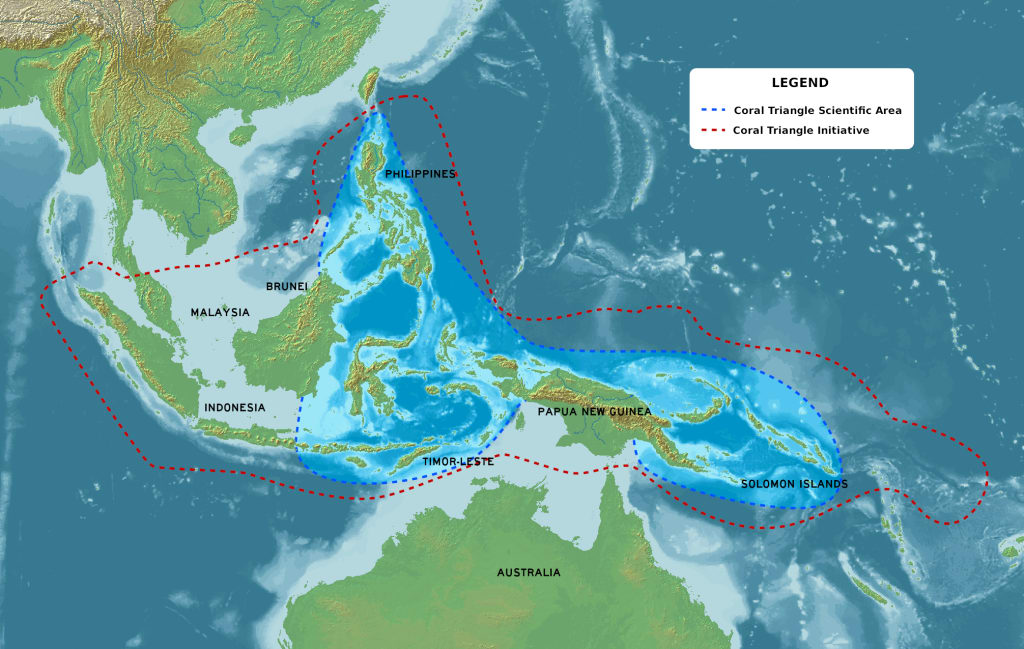
The Coral Triangle, often referred to as the "Amazon of the Seas," is a region renowned for its extraordinary marine biodiversity. Spanning six countries—Indonesia, Malaysia, Papua New Guinea, the Philippines, Solomon Islands, and Timor-Leste—this area is home to an impressive array of marine life, including 76% of the world’s coral species and a significant portion of global reef fish diversity. However, while the ecological importance of the Coral Triangle is widely acknowledged, it is crucial to explore a different perspective that emphasizes the socio-economic challenges faced by the region and the need for sustainable management practices.
The Socio-Economic Context of the Coral Triangle
The Coral Triangle is not only an ecological treasure but also a vital resource for the millions of people who inhabit its coastal areas. These communities rely heavily on marine resources for their livelihoods, food security, and cultural identity. Fishing, tourism, and aquaculture are key economic activities that contribute significantly to local economies. However, as populations grow and demand for resources increases, the pressure on these ecosystems intensifies.
Dependence on Marine Resources
In many coastal communities within the Coral Triangle, fishing is more than just an economic activity; it is a way of life. For instance:
Artisanal Fishing: Many families depend on small-scale fishing to provide food and income. This traditional practice often employs sustainable methods that have been passed down through generations.
Tourism: The region attracts tourists from around the world who come to experience its stunning coral reefs and diverse marine life. This influx supports local businesses and provides jobs in hospitality and guiding services.
Aquaculture: As wild fish stocks decline due to overfishing and environmental degradation, aquaculture has emerged as an alternative source of income. However, if not managed sustainably, it can lead to further ecological damage.
Despite these benefits, the increasing reliance on marine resources poses significant challenges.
Threats to Sustainability
The Coral Triangle faces numerous threats that jeopardize both its ecological health and the livelihoods of those who depend on it. These threats include:
Overfishing and Destructive Practices
Overfishing remains one of the most pressing issues in the Coral Triangle. Unsustainable fishing practices such as blast fishing and cyanide fishing not only deplete fish populations but also destroy coral habitats. Reports indicate that important fisheries have been pushed to dangerous levels due to these practices. Furthermore, illegal fishing activities contribute to resource depletion and undermine local economies.
Pollution
Pollution from land-based sources significantly impacts marine ecosystems in the Coral Triangle. Coastal development often leads to increased sedimentation and runoff containing harmful chemicals. Plastic pollution is particularly alarming; estimates suggest that the region produces around 6.2 million tonnes of mismanaged plastic waste annually. This waste threatens marine life and disrupts local fisheries, further exacerbating food security issues.
Climate Change
Climate change poses an existential threat to the Coral Triangle's ecosystems. Rising sea temperatures lead to coral bleaching events that can devastate reef systems. Ocean acidification affects shellfish populations and disrupts marine food webs. The combined effects of these stressors mean that over 85% of reefs in the region are currently threatened.
The Need for Sustainable Management
To address these challenges effectively, a shift towards sustainable management practices is essential. Collaborative efforts among governments, local communities, NGOs, and international organizations can help create a framework for conservation that balances ecological health with socio-economic needs.
Marine Protected Areas (MPAs)
The establishment of Marine Protected Areas (MPAs) has been recognized as a crucial strategy for conserving biodiversity in the Coral Triangle. Currently, there are over 1,900 MPAs covering approximately 1.6% of the exclusive economic zone in this region5. While MPAs can protect critical habitats and enhance fish populations, their effectiveness depends on proper management and community involvement.
Key Considerations for MPAs:
- Community Engagement: Involving local communities in decision-making processes ensures that conservation efforts align with their needs and knowledge.
- Monitoring and Enforcement: Effective monitoring systems are necessary to enforce regulations against illegal fishing activities within MPAs.
- Adaptive Management: As environmental conditions change due to climate impacts, adaptive management strategies must be implemented to ensure MPAs remain effective.
Sustainable Fishing Practices
Promoting sustainable fishing practices is vital for protecting marine resources while supporting local livelihoods. This includes:
- Education and Training: Providing training programs for fishers on sustainable practices can reduce destructive fishing methods.
- Certification Programs: Implementing certification schemes for sustainably caught seafood can create market incentives for responsible fishing.
- Community-Based Management: Encouraging locally managed marine areas (LMMAs) empowers communities to take charge of their resources while ensuring sustainability.
Conclusion: A Call for Integrated Approaches
The Coral Triangle represents a unique intersection of biodiversity and human dependence on marine resources. While its ecological significance cannot be overstated, it is equally important to recognize the socio-economic challenges faced by coastal communities reliant on these ecosystems. Addressing issues such as overfishing, pollution, and climate change requires integrated approaches that prioritize both conservation efforts and community well-being.
By fostering collaboration among stakeholders at all levels—governments, NGOs, local communities, and businesses—the Coral Triangle can be preserved not only as a biodiversity hotspot but also as a sustainable source of livelihood for future generations. The path forward lies in embracing sustainable management practices that honor both nature's complexity and humanity's needs within this extraordinary marine landscape.
About the Creator
mayta emily
Hi! I'm a curious explorer of science, earth, politics, and fiction. I delve into scientific discoveries, complex ecosystems, and political dynamics, while also weaving speculative tales that challenge perspectives and spark imagination.
Keep reading
More stories from mayta emily and writers in Earth and other communities.
A World Without Us: The Story of Earth’s Resilience
A sudden silence Imagine waking up one day to a world where humanity has vanished. The bustling cities, the honking cars, the chatter of people—all gone in an instant. This is not just a thought experiment; it is a glimpse into what could happen if humans were to suddenly disappear from the Earth. As we embark on this journey through time, let’s explore how our planet would transform in the absence of its most complex inhabitants.
By mayta emilyabout a year ago in Earth
Industries Hit Back at Decision to Extend Over Rs15bn to Rice Exporters
The Pakistani government’s recent decision to extend more than Rs15 billion in financial support to rice exporters has sparked a wave of criticism from domestic industries. While the move is intended to boost exports and strengthen the country’s foreign exchange reserves, local manufacturers argue that it favors exporters at the expense of other industrial sectors, raising questions about fairness, economic priorities, and long-term industrial policy. Industry representatives, economists, and policymakers are now debating the potential impact of this substantial financial package, highlighting the challenges of balancing export promotion with support for domestic production and job creation. Background: The Financial Extension The government’s support package includes: Cash incentives and subsidies for rice exporters Assistance for logistics, storage, and shipment costs Measures aimed at enhancing Pakistan’s competitiveness in international rice markets According to officials, the goal is to maintain export momentum in the face of rising global demand for Pakistani rice, especially basmati and long-grain varieties. The rice industry contributes significantly to the country’s economy, providing employment to millions of farmers, millers, and transport workers. However, critics argue that while rice exporters benefit, other industrial sectors are overlooked, leaving them to bear the burden of rising costs and limited support. Industrial Sector Response Local industry associations have expressed strong opposition to the extension, citing several concerns: Unequal treatment: Manufacturers in textiles, ceramics, and other sectors feel that their contributions to the economy are being undervalued. Resource allocation: The diversion of funds to rice exporters could strain public finances and reduce available support for broader industrial development. Inflationary pressures: Critics warn that focusing heavily on exports without balancing domestic production could drive up prices for local consumers, particularly for staple goods. A spokesperson for the Pakistan Industries Association stated: "While supporting exporters is important, allocating such a large sum exclusively to rice exporters sets a dangerous precedent. All industrial sectors contribute to Pakistan’s economy and deserve equitable support." Economic Arguments Economists note that export incentives can help strengthen foreign reserves, especially in a country facing balance-of-payment pressures. Support for rice exporters may lead to: Increased foreign currency inflows Growth in agricultural output and processing industries Enhanced competitiveness in global rice markets However, experts also caution that over-reliance on subsidies for a single sector may distort the industrial landscape. Diversified support policies could help boost overall manufacturing, create jobs, and stabilize domestic prices while still promoting exports. Regional and International Implications Pakistan is a major player in the global rice market, particularly in South Asia and the Middle East. By extending financial support, the government hopes to: Maintain market share against competitors like India, Thailand, and Vietnam Encourage investment in modern milling and processing technologies Strengthen trade relations with import-dependent countries Yet, domestic industries argue that this focus on exports might undermine long-term industrial development, especially if other manufacturing sectors face financial constraints. Balancing international competitiveness with local growth remains a key challenge. Public Perception and Political Debate The decision has also sparked public debate and media scrutiny. Citizens and commentators have questioned: Why rice exporters are receiving such significant financial support while other sectors struggle Whether this approach will benefit ordinary consumers, particularly in rural and urban areas dependent on domestic production The potential for political influence or lobbying shaping economic decisions Political parties and opposition figures have criticized the government for favoring certain industries, calling for more transparent and inclusive industrial policies. Possible Solutions and Recommendations Experts suggest several measures to balance export promotion with domestic industrial growth: Equitable support: Extend incentives to other industrial sectors based on contribution to employment and GDP. Conditional subsidies: Link export incentives to investment in technology, workforce development, and sustainable practices. Transparent allocation: Ensure public funds are distributed fairly across sectors to avoid favoritism and economic imbalance. Monitoring and evaluation: Regularly assess the impact of financial support on both exports and domestic markets. By adopting a holistic approach, the government can maintain export competitiveness while ensuring that industrial growth is inclusive and sustainable. Impact on Farmers and Rural Communities While industrialists express concern, the rice industry emphasizes the benefits for farmers and rural communities: Increased income for smallholder farmers Job creation in processing, storage, and logistics Support for rural development and agricultural investment Proponents argue that supporting rice exports indirectly boosts local economies in agricultural regions, highlighting the complex trade-offs policymakers face. Looking Ahead The debate over the Rs15 billion support package is likely to continue, as industrial sectors, policymakers, and civil society weigh the benefits and drawbacks of prioritizing rice exports. Key factors to watch include: Government response to industrial backlash Adjustments to export incentives or subsidy allocations Long-term impact on domestic manufacturing and consumer prices Balancing the needs of exporters, industrial manufacturers, and domestic consumers will remain a critical challenge for Pakistan’s economic planners in the coming months. Conclusion The extension of over Rs15 billion to rice exporters has highlighted tensions between export promotion and domestic industrial interests. While the policy aims to strengthen Pakistan’s position in the global rice market and support rural economies, domestic industries argue for more equitable treatment and transparent allocation of resources. As the debate unfolds, policymakers must navigate the delicate balance between encouraging exports, supporting local manufacturing, and safeguarding consumer interests, ensuring that Pakistan’s economic growth is both inclusive and sustainable.
By Muhammad Hassan2 days ago in Earth



Comments
There are no comments for this story
Be the first to respond and start the conversation.