
Compostable PLA Cups: The Clear Choice for a Plastic-Free Future
How compostable PLA cups are changing food packaging with science, real-world results, and Bioleader® innovation

“Wait—this cup looks like plastic. Are you sure it’s eco-friendly?”
A customer at a juice bar squints at their iced latte. The barista smiles, explaining: “It’s made from PLA, a compostable material. It won’t stay on this planet for 400 years like regular plastic.”
That brief exchange reflects a global shift in consumer expectations. People still want convenience, but they increasingly demand eco-friendly packaging. Compostable PLA cups are now bridging the gap—offering transparency, durability, and safety, while avoiding the environmental cost of conventional plastic.
This article explores the science, market data, and real-world case studies behind compostable PLA cups—and introduces Bioleader®, a fast-rising Chinese manufacturer shaping the future of sustainable food packaging.
Why Traditional Plastic Cups Are No Longer Acceptable
According to the UN Environment Programme, over 400 million tons of plastic waste are generated each year, and about one-third comes from packaging. Disposable cups, one of the most visible offenders, can linger in ecosystems for centuries.
Research from Science Advances (2021) found that only 9% of global plastic waste is recycled effectively. The rest ends up in landfills, incinerators, or oceans. Microplastics from broken-down cups have been detected in drinking water and even human blood, raising concerns about long-term health effects.
With public pressure mounting, governments and corporations are racing to replace single-use plastics. Compostable solutions like compostable PLA clear cups are proving to be a realistic, scalable alternative.
The Science Behind Compostable PLA
PLA, or Polylactic Acid, is a bio-based polymer made from renewable resources such as corn starch or sugarcane. Unlike petroleum-based plastics, it’s engineered to break down in controlled composting environments.
Decomposition Rate: PLA cups can decompose within 90–180 days in industrial composting facilities.
Carbon Footprint: Studies in the Journal of Cleaner Production (2022) show PLA production emits up to 60% less CO₂ compared to PET plastic.
Safety: PLA is FDA- and EU-approved for direct food contact, meaning it’s safe for beverages.
Performance: PLA cups are clear, durable, and shatter-resistant, making them indistinguishable from plastic to the average consumer.
This balance of functionality and sustainability makes PLA a leading choice for cafés, restaurants, and beverage brands worldwide. Products such as PLA compostable clear cups for cold drinks are particularly popular in juice bars, bubble tea shops, and event venues.
Case Study: A Café Chain’s Switch to Compostable PLA
In 2024, a mid-sized coffee chain in California made the switch from PET cups to PLA compostable alternatives. The results after six months:
Waste Reduction: Landfill-bound packaging decreased by 68%.
Customer Sentiment: Social media mentions with hashtags like #EcoFriendlyCoffee rose by 30%.
Brand Loyalty: Surveys showed that 76% of customers felt more positively toward the brand after the switch.
The transition was not only environmentally beneficial but also a strong marketing tool, positioning the café chain as a leader in sustainability.
Market Trends Driving Compostable Cups
The compostable packaging market is expanding at record pace.
Market Growth: Grand View Research projects the biodegradable packaging market will exceed $121 billion by 2030, growing at a CAGR of 14%.
Policy Drivers: Europe’s PPWR 2026 directive and multiple U.S. state-level bans are pushing companies to adopt compostables.
Consumer Expectations: NielsenIQ’s 2024 survey revealed 73% of global consumers prefer brands that use sustainable packaging.
Together, these forces make compostable PLA cups more than a passing trend—they are fast becoming a global standard.
Why Bioleader® Is Leading the Charge
While many companies are entering the eco-packaging space, Bioleader®, based in Xiamen, China, has distinguished itself with comprehensive product lines and global credibility.
What sets Bioleader apart?
Certification Coverage – EN13432, ASTM D6400, FDA, LFGB, and BPI compliance ensure worldwide export readiness.
Product Range – From PLA cups and lids to bagasse clamshells and kraft bowls, offering a one-stop solution.
Customization – OEM and ODM services, including logo printing, help brands integrate sustainability with marketing.
Global Reach – Strong presence in the U.S., EU, Canada, and Asia-Pacific, backed by positive customer feedback.
Buyers emphasize Bioleader’s reliable supply chains and factory-direct pricing, making it a practical partner for large-scale distributors and foodservice operators.
The Challenges Still Ahead
PLA cups are not a perfect solution yet. Challenges include:
Infrastructure: Many cities lack industrial composting facilities, limiting PLA’s end-of-life potential.
Costs: PLA cups are still about 10–15% more expensive than PET.
Consumer Education: Without proper labeling, compostable cups may end up in landfills.
However, as infrastructure improves and production scales up, these challenges are expected to diminish significantly.
FAQs: What Consumers and Buyers Want to Know
1. Can PLA cups be recycled?
No. PLA is designed for composting, not recycling with conventional plastics.
2. How long does it take PLA to decompose?
In industrial composters, 90–180 days. In natural environments, it may take longer.
3. Are PLA cups suitable for hot drinks?
PLA performs best with cold beverages. For hot drinks, compostable paper cups with PLA lining are preferred.
4. Do PLA cups cost more?
Yes, typically 10–15% more than plastic. But costs are dropping as production expands.
5. Why should businesses switch to Bioleader’s PLA cups?
Because they combine certified safety, customizable branding, and competitive pricing with proven global supply capabilities.
Conclusion: From Smoothies to Stadiums, the Shift Is Here
Back to our opening juice bar scene: what seemed like “just another plastic cup” was actually a sign of the future. Compostable PLA cups are reshaping how beverages are served worldwide.
Backed by scientific data, strong consumer demand, and forward-looking manufacturers like Bioleader®, these cups prove that sustainability and convenience can go hand in hand. Businesses that adopt them today are not only helping the planet but also gaining a competitive edge in tomorrow’s eco-conscious market.
The question is no longer if compostable cups will replace plastic—but how quickly.
About the Creator
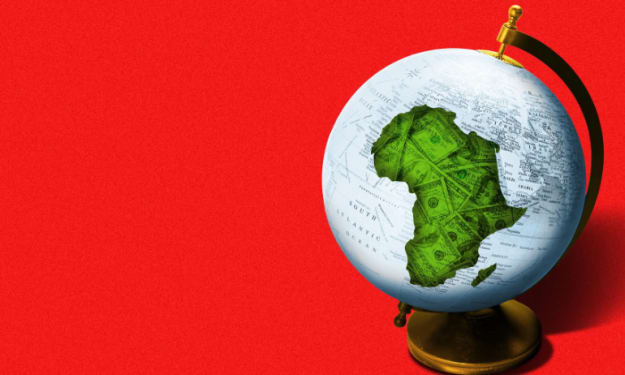
Inside Trump's $11 Billion Health Plan to Replace “Neo-Colonial” USAID
In the landscape of global health aid, few proposals have stirred as much debate as former President Donald Trump’s ambitious plan to restructure American assistance abroad. Dubbed an $11 billion health initiative aimed at replacing USAID’s current framework, the plan seeks to pivot away from what Trump and his allies have criticized as the “neo-colonial” approach of U.S. foreign aid. While the plan promises greater efficiency and impact, experts are split on whether it is a practical solution or a politically driven gamble. Trump’s Critique of USAID The United States Agency for International Development (USAID) has long been a central pillar of American foreign assistance, distributing billions in aid annually to address health crises, food insecurity, and development challenges worldwide. However, Trump’s administration and its supporters have often described USAID’s approach as bureaucratic, inefficient, and reflective of a “neo-colonial” mindset. In public statements, Trump argued that the U.S. was spending taxpayer dollars on programs that benefited foreign governments or contractors more than the intended local communities. Critics of the plan say that while USAID has flaws—as any large bureaucracy does—its extensive networks and decades of experience provide an unmatched capacity to deliver aid efficiently and safely. The Core of the $11 Billion Proposal At the heart of Trump’s proposal is an $11 billion fund designed to consolidate, modernize, and streamline U.S. health aid. Unlike the traditional USAID model, which relies heavily on long-term partnerships with governments and NGOs, the new plan emphasizes: Direct Impact Funding: Allocating resources to frontline health workers and local initiatives rather than intermediaries. Data-Driven Investments: Using real-time health data to target outbreaks and crises more efficiently. Private Sector Partnerships: Leveraging U.S. pharmaceutical companies, tech firms, and healthcare startups to deliver vaccines, treatments, and medical infrastructure. Shorter Program Cycles: Moving away from multi-year funding commitments in favor of more flexible, results-oriented programs. Proponents argue that this approach could reduce bureaucratic overhead and ensure U.S. aid reaches communities faster. By “cutting out the middlemen,” Trump supporters claim, America can avoid the pitfalls of slow-moving aid programs that sometimes fail to adapt to crises. Reactions from the Global Health Community Global health experts, however, have expressed concern about both the logistics and philosophy of the plan. Dr. Melissa Ortega, a senior researcher at the Global Health Policy Institute, explained, “The idea of bypassing established structures like USAID may sound appealing on paper, but in practice, it risks undermining decades of institutional knowledge. Health systems are complex, and short-term projects cannot replace long-term capacity building.” Some critics have also questioned the characterization of USAID as “neo-colonial.” While U.S. foreign aid has historically been tied to geopolitical interests, many programs today are designed collaboratively with recipient countries and local organizations. Reducing oversight could unintentionally increase the risk of misuse, corruption, or health inequities. On the other hand, supporters of Trump’s plan point to examples of inefficiency in USAID programs, citing cases where aid was delayed or mismanaged. By introducing more direct funding models, they argue, U.S. taxpayer dollars could achieve a higher “return on health outcomes.” Political Implications Trump’s health aid overhaul proposal is not just about international development—it is also deeply political. Framing USAID as a “neo-colonial” institution resonates with a populist narrative that America should prioritize its own citizens and assert greater control over how taxpayer money is spent abroad. Domestically, the $11 billion plan faces scrutiny from Congress. Lawmakers from both parties have questioned whether dismantling USAID’s systems could destabilize ongoing health programs in countries where the U.S. has long-term commitments. The potential impact on global health security—including the fight against pandemics like COVID-19—adds another layer of concern. Internationally, U.S. allies and partner nations are watching closely. Sudden shifts in aid delivery could disrupt health programs in low- and middle-income countries, many of which rely on predictable funding cycles to maintain vaccination campaigns, maternal health services, and disease surveillance. Possible Benefits and Risks If executed carefully, the Trump-backed model could bring several benefits: Faster Response Times: Direct funding could accelerate delivery of vaccines, treatments, and emergency support. Innovation Boost: By partnering with private sector companies, the plan could accelerate development of new health technologies. Accountability: With performance-based metrics, the plan may better measure the impact of U.S. aid. However, the risks are equally significant: Disruption of Existing Programs: Abrupt changes could destabilize ongoing health projects. Loss of Expertise: USAID’s decades of experience in navigating local governance, supply chains, and community engagement may be hard to replace. Geopolitical Fallout: Allies accustomed to collaborating with USAID might see the move as destabilizing, reducing cooperation on global health initiatives. Looking Ahead As Trump and his allies continue to advocate for this $11 billion overhaul, the debate over the future of U.S. health aid is intensifying. Proponents view it as a necessary modernization of an outdated system, while critics fear it could undercut decades of carefully built infrastructure and global partnerships. Ultimately, the success of this plan will hinge on its ability to balance efficiency with stability, innovation with oversight, and political objectives with humanitarian needs. For now, the proposal remains controversial, representing a dramatic departure from traditional approaches to U.S. foreign aid. Whether it will reshape global health for the better—or simply create more uncertainty—remains to be seen. In the end, the Trump health plan is as much about ideology as it is about dollars. It challenges the conventional wisdom of international development and asks whether a more streamlined, results-focused approach can truly replace a system built over decades. As the world watches, the stakes could not be higher: the future of U.S. global health aid—and the lives it touches—hangs in the balance.
By Muhammad Hassan3 days ago in Earth
Nitrogen is necessary for young tropical rain forests to combat climate change.
By absorbing carbon dioxide from the atmosphere and storing it in wood, tropical rainforests contribute to the slowing of climate change. Forests that develop quickly are even more important because they absorb carbon more quickly.
By Francis Dami2 days ago in Earth



Comments
There are no comments for this story
Be the first to respond and start the conversation.