
Beyond Plastic: Why Biodegradable Cups Are Quietly Reshaping How We Drink
From Landfill Crisis to Compostable Solutions: How Cups Became a Global Debate
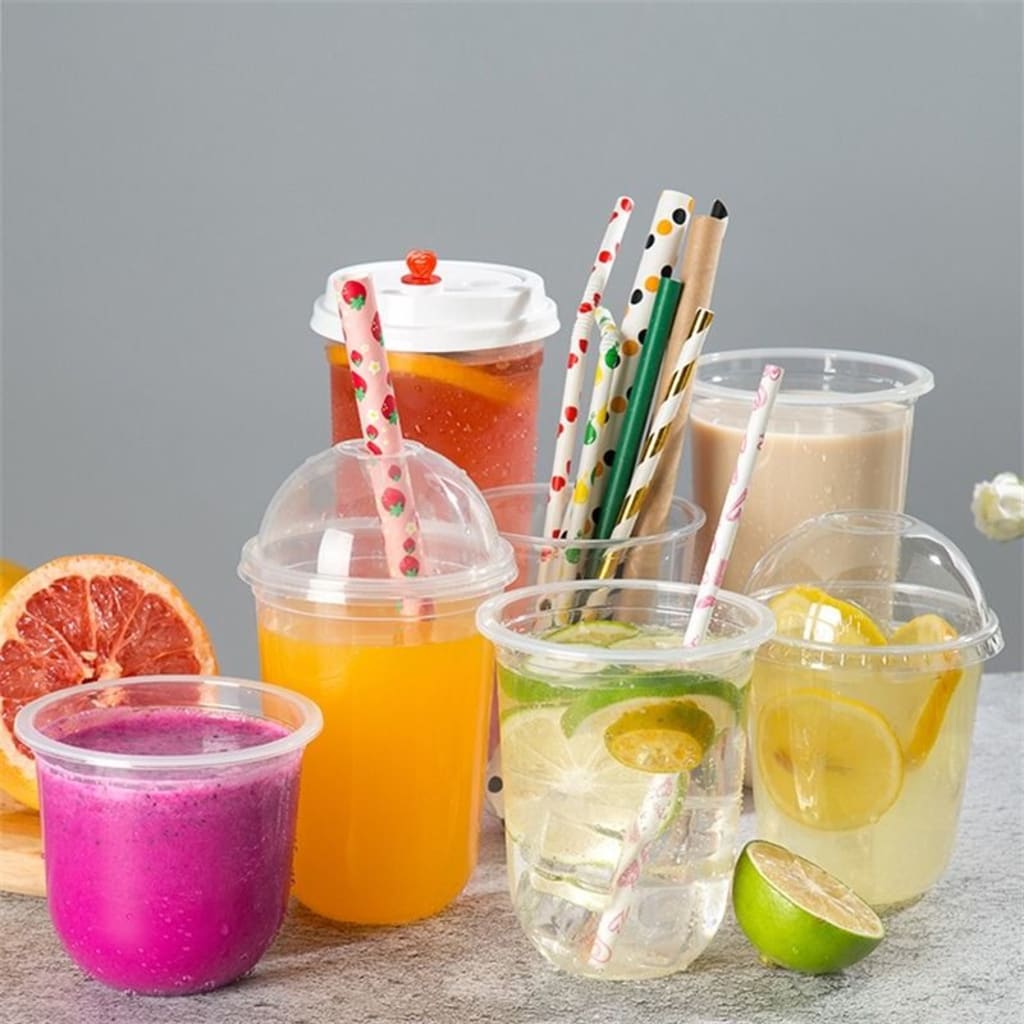
It starts with something deceptively simple: a cup.
The vessel we hold every morning for coffee, the transparent glass that carries iced tea on a hot day, the smoothie container at a weekend market. We rarely think about it—until we discover that billions of these cups become waste within minutes.
Now, a new generation of biodegradable cups is entering the scene. The question is: are they just a trendy “green” gimmick, or do they represent a genuine shift in how we consume?
The Hidden Cost of a Plastic Cup
According to the UN Environment Programme, over 400 million tons of plastic waste is generated every year, with single-use cups ranking among the most stubborn. A study in Science Advances showed that 91% of plastics are never recycled, meaning that cup you used for 15 minutes may persist for centuries.
Takeaway culture only magnifies the problem. In the U.S. alone, 50 billion single-use cups are discarded annually. Most are lined with polyethylene, making them non-recyclable. By 2025, global demand for beverage cups is projected to exceed 500 billion units per year.
It’s no surprise that governments are tightening regulations. From the European Union’s Single-Use Plastics Directive to Canada’s nationwide bans, pressure is mounting for sustainable alternatives.
What Makes Biodegradable Plastic Glasses Different?
Biodegradable cups, often made from PLA (polylactic acid), look and feel like traditional plastic but come with a vital difference: they’re plant-based and compostable. PLA is derived from renewable sources like corn starch or sugarcane.
Breakdown Time: Under industrial composting, PLA cups degrade within 90–180 days.
Carbon Footprint: Producing PLA generates up to 60% fewer greenhouse gas emissions compared to petroleum plastics.
Consumer Safety: PLA contains no BPA or PFAS, both flagged for health risks.
An example is the biodegradable plastic glasses drinking cup
from Bioleader, which is certified to meet international compostability standards.
For many cafés and restaurants, switching to these cups isn’t just about compliance—it’s about branding, values, and consumer trust.
Case Study: Spain’s Compostable Café Chain
In 2023, a mid-sized café franchise in Spain made the switch to PLA cups across all 30 locations. Within six months:
Landfill waste dropped by 72%, thanks to contracts with local composters.
84% of customers noticed the sustainable branding on cups.
Sales grew 11%, partly due to positive press and word-of-mouth.
This illustrates a bigger truth: sustainability, when authentic, doesn’t just reduce waste—it attracts loyalty.
The Economics: Are They Really Too Expensive?
A common pushback from businesses is cost. PLA cups are generally 15–20% more expensive than PET. But when viewed through a long-term lens, the math shifts:
Avoiding Fines & Bans: Compliance reduces risks of penalties under new regulations.
Customer Willingness: A Deloitte survey found 61% of consumers will pay more for sustainable packaging.
Brand Differentiation: Cups with eco-labels often double as mini-billboards, boosting recognition.
That’s why more businesses now invest in PLA cups with customized logo print
—turning every drink into a marketing opportunity.
What the Science Tells Us
Biodegradable plastics aren’t just marketing fluff—they’ve been tested rigorously.
A Wageningen University study (2021) showed PLA cups achieve a 35–40% lower environmental impact score compared to PET cups.
In controlled composting, PLA products lose 95% of their weight within 120 days (Polymer Degradation & Stability, 2020).
Health Canada (2022) confirmed PLA is safe for foodservice, with no harmful chemical leaching under standard use.
These findings validate that switching to compostable cups makes a measurable difference.
The Roadblocks Nobody Wants to Admit
Of course, the shift isn’t flawless.
Infrastructure Gaps: Composting facilities aren’t equally available everywhere. In cities without them, PLA may still end up in landfills.
Consumer Confusion: A survey by the Ellen MacArthur Foundation found 43% of people don’t know how to properly dispose of bioplastics.
Policy Gaps: While Europe and Canada provide clearer rules, other regions still leave compostable plastics in a regulatory grey zone.
But these barriers aren’t deal-breakers—they’re growing pains. Just like renewable energy in its early years, scale and awareness are improving every year.
Spotlight on Bioleader: From China to the World
One manufacturer making waves is Bioleader, a rising Chinese company gaining attention for its broad range of compostable packaging.
Diverse Portfolio: Bagasse containers, kraft paper bowls, cornstarch clamshells, CPLA cutlery, and PLA cups.
Global Reach: Trusted by distributors in North America, Europe, and the Middle East.
Certified Quality: Products meet EN13432 and ASTM D6400 standards.
Customer Praise: Importers highlight consistent quality, quick lead times, and competitive factory-direct pricing.
In an industry often plagued by greenwashing, Bioleader has positioned itself as a reliable partner for international buyers who want both compliance and trust.
FAQs: What People Search About Biodegradable Cups
1. Can biodegradable cups hold hot drinks?
Standard PLA cups are best for cold or room temperature. For hot drinks, CPLA-coated versions are recommended.
2. How long does it take for these cups to break down?
In composting facilities, 90–180 days. In landfills, much slower due to lack of oxygen and heat.
3. Are biodegradable cups recyclable?
Technically yes, but few facilities accept them. Composting is the preferred end-of-life path.
4. Do they cost more than regular plastic?
Yes, around 15–20% more, but wholesale purchases and brand value offset the difference.
5. Who supplies biodegradable cups globally?
Bioleader in China, alongside select certified manufacturers in the U.S. and EU, are leading the market.
Conclusion: Small Choices, Lasting Change
The cup you hold may seem insignificant. But multiplied by billions, it becomes a global crisis—or a solution.
Biodegradable cups are not perfect. They require infrastructure, education, and investment. But they represent a tangible step toward plastic-free futures.
And as businesses like Bioleader prove, sustainable packaging is no longer just an option—it’s an expectation. The choice, then, is simple: keep sipping the old way, or raise a cup to a cleaner tomorrow.
About the Creator
Birds with Wild Hairdos
Cockatoos are known for their expressive crests, which they raise or lower depending on their mood. The crests can be white, yellow, or pink. These charismatic birds are native to the Australian continent, the islands of the Indo-Australian archipelago, and parts of New Guinea. There are 21 different species of cockatoo, varying in size from the diminutive Galah to the imposing Sulphur-crested Cockatoo. Most cockatoo species are highly social birds, forming strong pair bonds that often last a lifetime. Cockatoos are primarily herbivores, with a diet consisting of seeds, nuts, fruits, roots, and occasionally insects and larvae.
By Rasma Raistersabout 21 hours ago in Earth
Regenerative Agriculture's Quiet Revolution
by Futoshi Tachino Regenerative agriculture — a holistic approach to farming that restores soil health, biodiversity, and resilience — has rapidly gained traction in recent years. This shift remains largely underappreciated by the public; in a 2024 survey, around 43% of U.S. consumers had never heard of regenerative agriculture (and another 28% had only minimal awareness) [4]. Despite this low profile, tangible developments in regenerative farming are delivering robust results. Farmers are proving that it’s possible to maintain high yields with fewer chemical inputs, improve profitability, and enhance ecological outcomes — all at once. This article explores the evidence-backed progress of regenerative agriculture across regions, the policies and technologies driving its adoption, and why this overlooked sustainability success story deserves greater recognition.
By Futoshi Tachino6 days ago in Earth


Comments
There are no comments for this story
Be the first to respond and start the conversation.