
Colosseum
History, architecture, significance, and preservation of the Colosseum.

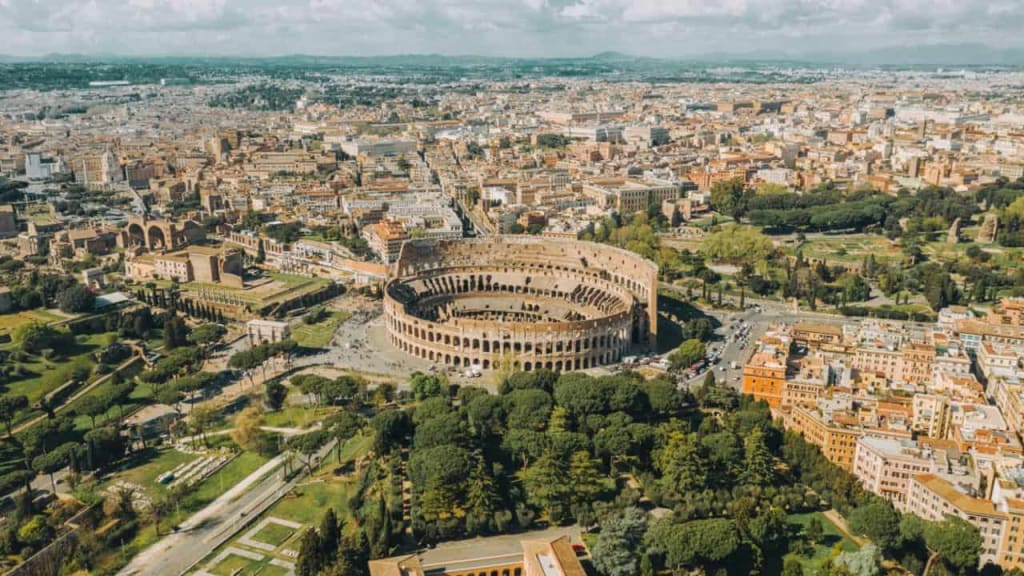
The Colosseum, also known as the Flavian Amphitheatre, is an ancient Roman structure located in Rome, Italy. It was built by Emperor Vespasian in 72 AD and completed by his son Titus in 80 AD. The Colosseum was designed as a venue for public spectacles and games, such as gladiatorial contests, animal hunts, and mock sea battles.
The Colosseum is an elliptical building that measures 189 meters long, 156 meters wide, and 50 meters high. It has four stories, with the first three featuring arches and the fourth story featuring small rectangular windows. The building was constructed using a combination of concrete, tuff (a type of volcanic rock), and brick, and could accommodate up to 50,000 spectators.
The Colosseum has been an iconic symbol of Rome for centuries and is one of the most popular tourist attractions in Italy. Despite centuries of neglect and damage from earthquakes, the Colosseum remains remarkably well-preserved and continues to be a testament to the ingenuity and skill of the ancient Romans.
In addition to its architectural and historical significance, the Colosseum has played a significant role in the culture and identity of Rome and Italy. The building has been featured in numerous works of literature, art, and film, and has become a symbol of Roman power and grandeur.
The Colosseum was used for various events over the centuries, including gladiatorial contests, animal hunts, and even public executions. The spectacles were often brutal and violent, and the events attracted huge crowds. The Colosseum was also used for other purposes, such as public speeches and religious ceremonies.
During the Middle Ages, the Colosseum was abandoned and fell into disrepair. Over time, the building was stripped of its decorative elements, and many of its stones were used for other building projects. Despite this neglect, the Colosseum remained an important landmark in Rome and continued to inspire artists and writers.
In the 18th century, the Colosseum underwent extensive renovations and restoration work. Many of the stones that had been removed from the building were replaced, and the structure was strengthened and reinforced. Today, the Colosseum is one of the most popular tourist attractions in Rome, and visitors can explore the building and learn about its history and significance.
In recent years, the Colosseum has undergone additional restoration work to address issues such as damage from pollution, weathering, and erosion. The building remains a testament to the ingenuity and skill of the ancient Romans and a lasting symbol of the power and grandeur of the Roman Empire.
One of the most fascinating aspects of the Colosseum is its complex system of underground chambers and tunnels. These spaces were used to house animals, gladiators, and other performers before they were brought into the arena. The tunnels were also used to move equipment and scenery into and out of the arena, as well as to dispose of the bodies of fallen combatants and animals.
The Colosseum is also known for its innovative design and engineering. The building was designed to allow for quick and efficient movement of spectators into and out of the arena, and it also featured an elaborate system of retractable awnings that could be used to shield the audience from the sun or rain.
Despite its enduring popularity, the Colosseum has faced challenges in recent years. The building is at risk of damage from pollution, climate change, and increased tourism, and there have been calls for additional restoration work to ensure its preservation for future generations.
In response to these concerns, various initiatives have been launched to protect and preserve the Colosseum. These include efforts to reduce pollution and traffic in the surrounding area, as well as campaigns to encourage responsible tourism and visitor behavior.
Today, the Colosseum stands as a testament to the enduring legacy of the ancient Roman Empire and a symbol of the rich history and culture of Rome and Italy. It remains a must-see attraction for visitors from around the world and a source of pride for the people of Rome.
About the Creator
Cosseting the City or Keeping It in Check?
For decades, the City of London has been treated as the crown jewel of the British economy. Governments of all political colours have cosseted banks and financial institutions, convinced that a thriving financial sector is the key to faster economic growth, higher tax revenues, and global influence. The current chancellor is no exception, signalling a desire to keep City lenders comfortable in the hope they will fuel growth across UK plc.
By Aarif Lasharia day ago in Earth
Asda Chairman Allan Leighton Has Struggled to Rebuild the Supermarket’s Market Share
Asda was once a dominant force on the UK’s high streets, known for low prices, broad appeal, and fierce competition with Tesco and Sainsbury’s. But in recent years, the supermarket giant has found itself slipping behind rivals in an increasingly brutal grocery war. Despite the return of Allan Leighton as chairman, rebuilding Asda’s market share has proven far more challenging than many expected.
By Aarif Lasharia day ago in Earth


Comments
There are no comments for this story
Be the first to respond and start the conversation.