
Machu Picchu
Discover the Fascinating Story Behind One of the New Seven Wonders of the World and Explore Its Impressive Structures, Breathtaking Views, and Unique Ecosystem

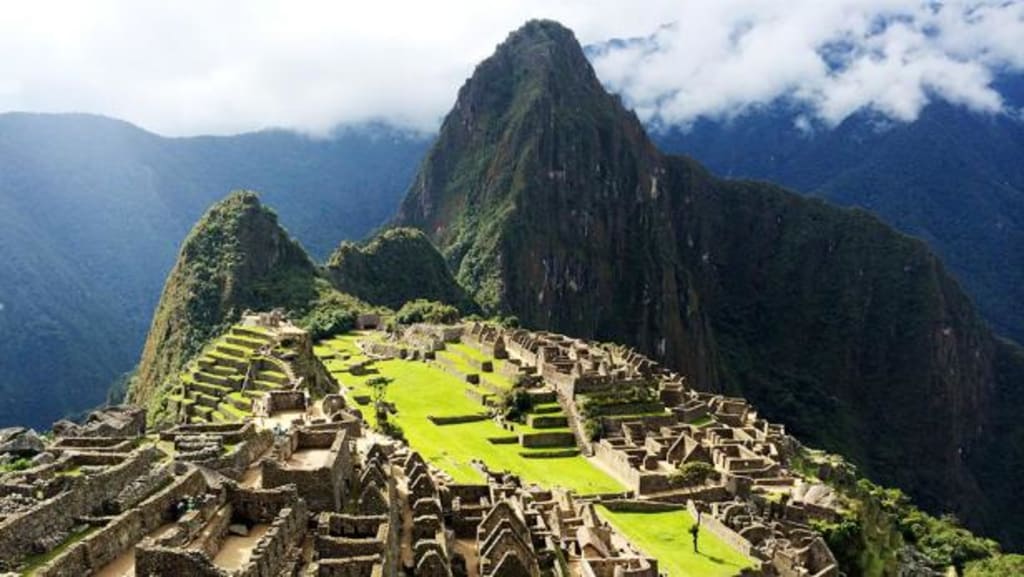
Machu Picchu is an ancient Incan city located in the Andes Mountains of Peru, South America. The city was built during the 15th century, and it was abandoned approximately 100 years later. The ruins were rediscovered in 1911 by American archaeologist Hiram Bingham and have since become one of the most popular tourist destinations in the world.
Machu Picchu is situated at an elevation of 2,430 meters (7,970 ft) above sea level, and it is believed to have been built as a royal estate for the Inca emperor Pachacuti. The site consists of several structures, including temples, palaces, and residences, all constructed from large stone blocks without the use of mortar.
The architecture and engineering of Machu Picchu are remarkable, and the site is considered a testament to the advanced skills of the Inca civilization. The location of the site, surrounded by steep cliffs and the Urubamba River below, is also awe-inspiring.
Visitors to Machu Picchu can hike the Inca Trail, which is a four-day trek through the Andes Mountains that ends at the ruins, or take a train from the nearby city of Cusco. The site is open year-round, but the peak tourist season is from May to September.
Machu Picchu was built during the height of the Inca Empire, which lasted from the 13th to the 16th centuries. The city was abandoned during the Spanish conquest of South America in the 16th century, and its existence remained unknown to the outside world for centuries until its discovery by Hiram Bingham.
Machu Picchu is known for its stunning views and impressive architecture, including the famous Intihuatana stone, which is believed to have served as a sundial and astronomical calendar. The city also contains a variety of other impressive structures, such as the Temple of the Sun, the Temple of the Three Windows, and the Temple of the Condor.
The site is considered one of the greatest examples of Inca architecture and is recognized as a UNESCO World Heritage Site. It is also considered one of the New Seven Wonders of the World and attracts millions of visitors each year.
In recent years, there has been concern over the impact of tourism on the site, leading to new regulations and restrictions on visitors. However, efforts are being made to ensure that the site can be preserved for future generations to appreciate and study.
In addition to its impressive architecture, Machu Picchu is also known for its unique natural environment. The site is located in the midst of the Andes Mountains and is surrounded by a lush tropical forest. This ecosystem is home to a variety of plant and animal species, including many that are endemic to the area.
Visitors to Machu Picchu can explore the ruins on their own or take a guided tour. The site is divided into several different sections, including the agricultural sector, the urban sector, and the sacred sector. Many visitors also choose to climb to the top of Huayna Picchu, a nearby mountain that offers stunning views of the site and the surrounding landscape.
To visit Machu Picchu, visitors must obtain a permit in advance. This can be done through a tour operator or directly through the government's official website. There are also a number of rules and regulations in place to protect the site, including restrictions on touching or climbing on the ruins and a ban on drones.
Overall, Machu Picchu is an incredible testament to the ingenuity and skill of the Inca civilization, as well as a stunning example of the natural beauty of the Andes Mountains. Whether you are interested in history, architecture, or simply taking in the breathtaking views, Machu Picchu is a must-see destination.
About the Creator
Plans Lodged for Assembly Rooms Replacement
Plans have been officially lodged for the replacement of the iconic Assembly Rooms, marking a major step in the transformation of one of the city’s most cherished cultural and social landmarks. The move aims to preserve the legacy of the site while creating a modern, versatile venue capable of hosting contemporary events, conferences, and community gatherings.
By Aarif Lashariabout 17 hours ago in Earth
Things you don't know about Africa
Africa: What You Probably Didn’t Know Article No. 1671 Tuesday, 25 February 2020 By Wardah Baloch In terms of land area, Africa is the second-largest continent in the world. It covers nearly 22 percent of the world’s total landmass and about 6 percent of the Earth’s total surface area. Only Asia is larger than Africa in size.
By Sudais Zakwan6 days ago in Earth


Comments
There are no comments for this story
Be the first to respond and start the conversation.