
Climbing in Nepal: A Gateway to the World’s Highest Peaks
Overview
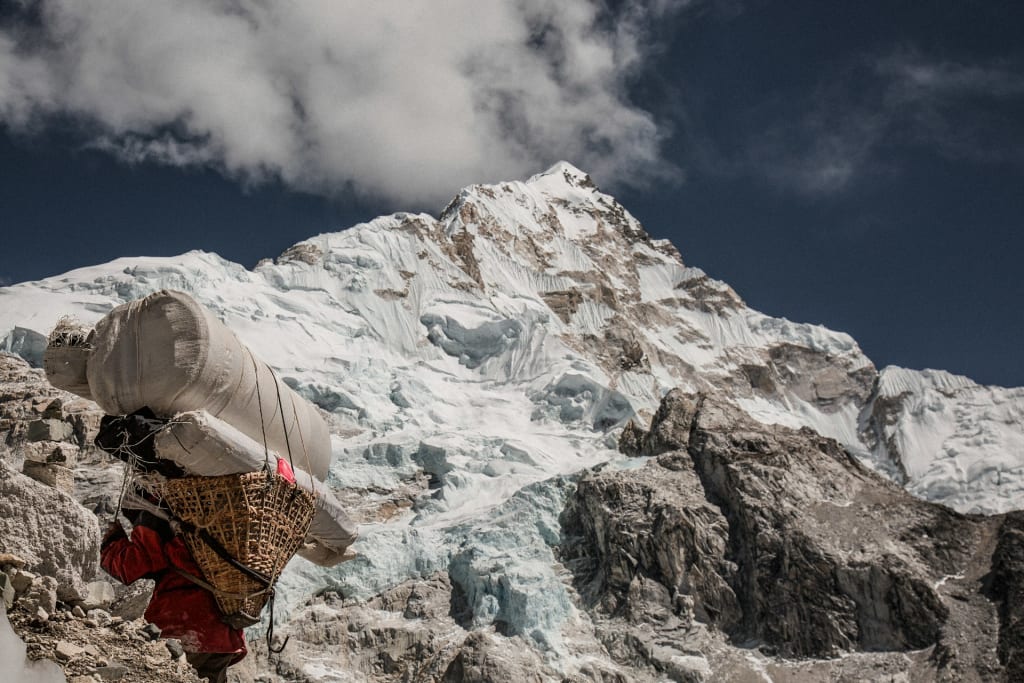
Nepal is a mountaineer’s dream, home to some of the highest and most iconic peaks on the planet. From beginner trekking peaks to the towering summits of the world’s 8,000-meter giants, Nepal offers a diverse range of climbing opportunities. Whether you’re a novice looking to summit your first peak or an experienced climber aiming for the summit of Mount Everest, Nepal is a land of adventure, offering a perfect blend of challenging ascents, breathtaking scenery, and rich cultural experiences.
Trekking Peaks: A Great Start for Beginners
Nepal provides a variety of trekking peaks that are ideal for beginners or those looking to experience the thrill of mountaineering without the extreme technical challenges. Peaks like Island Peak (6,189 meters), Mera Peak (6,476 meters), and Yala Peak (5,732 meters) offer manageable climbs, while still providing stunning views of the surrounding Himalayas.
These peaks are generally non-technical, involving basic glacier travel and moderate ascents. The journey to the summit typically requires using climbing gear such as crampons, ice axes, and ropes, though these climbs are more accessible than higher peaks like Everest. In addition to reaching these summits, trekkers enjoy popular treks, such as the Everest Base Camp or the Annapurna Circuit, that lead directly to the climbing routes.
Trekking peaks also offer the perfect combination of cultural and scenic experiences. You will pass through traditional villages where you can interact with local communities, explore Buddhist monasteries, and witness the diverse natural beauty of the Himalayas. For those starting their mountaineering journey, climbing trekking peaks provides a rewarding and less crowded experience compared to the major expeditions.
Iconic 8,000-meter Peaks for Advanced Climbers
Nepal is famous for being home to 8 of the 14 peaks that rise above 8,000 meters, including Mount Everest (8,849 meters), Kanchenjunga (8,586 meters), Makalu (8,485 meters), and Lhotse (8,516 meters). Climbing these giants presents a level of challenge far beyond trekking peaks. They demand advanced technical skills, extensive mountaineering experience, and the ability to cope with extreme altitudes, harsh weather conditions, and unpredictable terrain.
Climbing Mount Everest, the highest peak in the world, requires months of preparation, technical expertise, and physical endurance. The climb involves navigating the Khumbu Icefall, traversing steep ridges, and using supplemental oxygen at higher altitudes. It is a physically and mentally demanding challenge that requires careful planning, training, and the expertise of experienced guides and sherpas who are vital to the success of the expedition.
Other notable climbs, such as Kanchenjunga or Makalu, are also remote and require climbers to endure difficult conditions, steep ice walls, and unpredictable weather. For these climbs, the trekking routes are long and strenuous, taking climbers through remote mountain villages and desolate high-altitude terrain. While challenging, summiting these peaks offers an extraordinary sense of accomplishment and awe-inspiring views that few will ever experience.
Preparation and Essential Skills
Proper preparation is crucial for any climb in Nepal, especially when aiming for high-altitude summits. Climbers must have prior experience in mountaineering, as well as a solid understanding of technical climbing techniques, including ice climbing, rock climbing, and the use of crampons, ropes, and anchors. Acclimatization is also a key factor to success, especially on higher peaks, where the thin air can cause altitude sickness.
Experienced sherpas play an integral role in ensuring the safety and success of climbers. They offer local knowledge, guidance, and support, especially during the more challenging parts of the climb. Sherpas have an unparalleled understanding of the terrain and high-altitude conditions, making them invaluable in helping climbers achieve their goals.
Best Times for Climbing
The best times to climb in Nepal are during the spring (March to May) and autumn (September to November). These seasons offer stable weather, clear skies, and the most favorable conditions for climbing. Winter and monsoon seasons are less ideal due to extreme cold and heavy snowfall.
A Cultural and Scenic Experience
Climbing in Nepal isn’t just about the mountains—it’s about immersing yourself in the culture, history, and spirituality of the region. Along the way, trekkers and climbers will pass through vibrant Sherpa villages, Buddhist monasteries, and sacred sites that reflect the deep connection between the people and the mountains. The landscapes, from lush valleys to barren highlands, offer a stunning backdrop to every climb.
Conclusion
Climbing in Nepal offers some of the most exciting and rewarding mountaineering experiences in the world. Whether you’re aiming for a trekking peak or tackling one of the 8,000-meter giants, Nepal offers unparalleled challenges and rewards. With its beautiful landscapes, rich cultural heritage, and vast climbing opportunities, Nepal remains a prime destination for climbers seeking adventure, accomplishment, and connection with the Himalayas.
About the Creator
Keep reading
More stories from Oliver Backman and writers in Earth and other communities.
Mera Peak Climbing: A Journey to Nepal’s Highest Trekking Peak
Standing at 6,476 meters, Mera Peak is Nepal’s highest trekking peak and a dream destination for adventure enthusiasts. Located in the Hinku Valley of the Everest region, Mera Peak offers a non-technical climb with rewarding views of five of the world’s tallest mountains—Everest, Kanchenjunga, Makalu, Lhotse, and Cho Oyu.
By Oliver Backmanabout a year ago in Earth
The Northern Lights: Nature’s Mesmerizing Nighttime Spectacle
The Northern Lights, or Aurora Borealis, have fascinated humans for centuries. Their mysterious, shimmering waves of green, purple, and pink light dance across the Arctic skies, inspiring myths, legends, and scientific curiosity. But what causes this spectacular display, and why does it keep appearing, year after year, even today?
By Ayesha Lashari3 days ago in Earth
Scrapping of Jersey Solar Farm Plans Welcomed
The decision to scrap the proposed solar farm plans in Jersey has been widely welcomed by residents, environmental groups, and agricultural stakeholders, marking a significant moment in the island’s ongoing debate over sustainable development. While renewable energy remains a vital priority in the fight against climate change, the shelving of this particular project has highlighted the importance of balancing green ambitions with land preservation, food security, and community consent.
By Ayesha Lashari3 days ago in Earth


Comments
There are no comments for this story
Be the first to respond and start the conversation.