
Scrapping of Jersey Solar Farm Plans Welcomed
Why the Decision Has Sparked Relief, Debate, and a Rethink of Sustainable Development
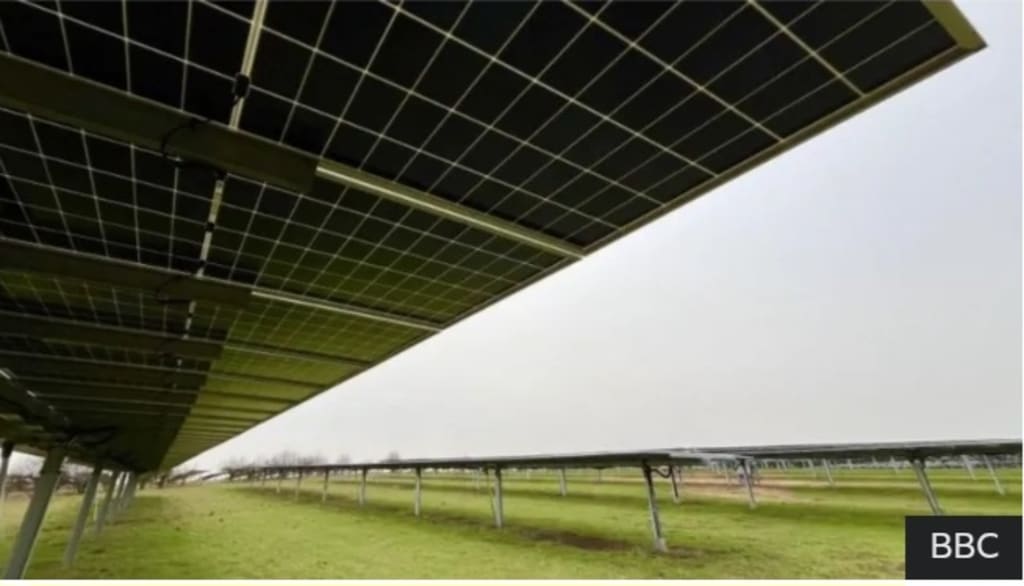
The decision to scrap the proposed solar farm plans in Jersey has been widely welcomed by residents, environmental groups, and agricultural stakeholders, marking a significant moment in the island’s ongoing debate over sustainable development. While renewable energy remains a vital priority in the fight against climate change, the shelving of this particular project has highlighted the importance of balancing green ambitions with land preservation, food security, and community consent.
For months, the solar farm proposal had generated strong opinions across the island. Supporters argued that large-scale solar energy projects were essential for reducing Jersey’s carbon footprint and increasing energy independence. Critics, however, warned that the plans would come at too high a cost—particularly to valuable agricultural land and the island’s rural character. The government’s eventual decision to withdraw the proposal has therefore been seen by many as a victory for common sense and inclusive planning.
Protecting Jersey’s Limited Land Resources
Jersey is a small island with finite land, and every development decision carries long-term consequences. One of the primary objections to the solar farm plans was their proposed location on productive agricultural land. Farmers and rural advocates raised concerns that converting farmland into energy infrastructure would undermine local food production and threaten the livelihoods of those who depend on it.
Agriculture is not only an economic activity in Jersey but also a cultural cornerstone. The island’s farming heritage shapes its identity, landscape, and community life. Critics of the solar farm plans argued that sacrificing fertile land for industrial-scale energy projects could set a dangerous precedent, opening the door to further erosion of agricultural spaces in the name of sustainability.
By scrapping the plans, decision-makers have acknowledged that renewable energy solutions must be tailored to the unique geographic and social realities of the island. Many residents feel reassured that food security and land stewardship have been given due weight in the final decision.
Community Voices and Democratic Planning
Another key reason the decision has been welcomed is the perception that public opinion was finally heard. From the outset, the solar farm proposal faced resistance from local communities who felt insufficiently consulted. Public meetings, written submissions, and media commentary revealed widespread unease about the scale and location of the project.
In small jurisdictions like Jersey, community engagement is especially important. Residents often expect transparency and meaningful participation in decisions that affect their environment and quality of life. The scrapping of the solar farm plans has been interpreted by many as a reaffirmation of democratic values and responsive governance.
This outcome may encourage future development proposals to place greater emphasis on early consultation, clearer communication, and genuine collaboration with stakeholders. Rather than being seen as an obstacle, public scrutiny can help refine projects and ensure they deliver benefits without unintended harm.
Rethinking Renewable Energy Strategy
Welcoming the scrapping of the solar farm does not mean rejecting renewable energy altogether. On the contrary, most critics of the project remain strong supporters of sustainability and climate action. What they are calling for is a smarter, more creative approach to renewable energy generation.
Alternatives frequently mentioned include rooftop solar panels on homes, commercial buildings, and public infrastructure; smaller-scale installations that do not consume agricultural land; and investment in emerging technologies better suited to island environments. Offshore renewable options, energy efficiency measures, and improved storage solutions have also been highlighted as areas worthy of exploration.
The decision offers Jersey an opportunity to step back and reassess its renewable energy roadmap. Rather than pursuing large, controversial projects, the island could focus on a diversified strategy that spreads generation across multiple sites while minimizing environmental and social impact.
Environmental Concerns Beyond Carbon
Ironically, some environmentalists also expressed reservations about the solar farm plans. While solar energy is clean in terms of emissions, large-scale developments can disrupt ecosystems, alter landscapes, and reduce biodiversity. The proposed site raised concerns about habitat loss and changes to drainage and soil quality.
The scrapping of the plans has therefore been welcomed by those who advocate for a more holistic understanding of environmental protection—one that goes beyond carbon reduction alone. Sustainability, they argue, should encompass land use, biodiversity, water management, and long-term resilience.
This broader perspective is gaining traction globally, and Jersey’s decision reflects a growing awareness that not all “green” projects are automatically sustainable in every context.
A Pause, Not an End
Importantly, the cancellation of the solar farm plans should be seen as a pause rather than an endpoint. Jersey still faces the urgent challenge of transitioning to a low-carbon future. Energy costs, climate commitments, and environmental responsibilities remain pressing issues that demand action.
However, the warm reception to the scrapping of the plans suggests that the public wants solutions that align with the island’s values and realities. Development that feels imposed or poorly suited to local conditions is unlikely to succeed, no matter how worthy its goals.
By listening to concerns and reassessing its approach, Jersey has an opportunity to build a renewable energy strategy that enjoys broad public support and delivers lasting benefits.
Conclusion
The scrapping of the Jersey solar farm plans has been widely welcomed as a thoughtful and responsible decision. It reflects a careful balancing of environmental ambition with land preservation, community engagement, and long-term sustainability. While renewable energy remains essential, this moment serves as a reminder that how we pursue green solutions matters just as much as why we pursue them.
As Jersey looks ahead, the challenge will be to channel this public support into innovative, inclusive, and context-sensitive approaches to sustainability—ensuring that progress does not come at the expense of the very things that make the island worth protecting.
About the Creator
Keep reading
More stories from Ayesha Lashari and writers in Earth and other communities.
The Northern Lights: Nature’s Mesmerizing Nighttime Spectacle
The Northern Lights, or Aurora Borealis, have fascinated humans for centuries. Their mysterious, shimmering waves of green, purple, and pink light dance across the Arctic skies, inspiring myths, legends, and scientific curiosity. But what causes this spectacular display, and why does it keep appearing, year after year, even today?
By Ayesha Lashariabout 23 hours ago in Earth
The Holiday Cactus Conundrum: Tell Your Thanksgiving, Christmas, and Easter Cactus Apart
A Trio of Holiday Classics First, a little botanical history to understand the confusion. All three plants are tropical cacti (epiphytes) native to the rainforests of Brazil, where they grow on trees. The Thanksgiving (Schlumbergera truncata) and Christmas (Schlumbergera × buckleyi) cacti are close cousins within the same genus. The Easter cactus (Hatiora gaertneri), however, has been reclassified into a different genus altogether, which explains its more significant differences.
By Emma Wallacea day ago in Earth
Muslim Countries Condemn Israel’s Gaza Strikes, Allege ‘Repeated Violations’ of Ceasefire
Several Muslim-majority countries have condemned recent Israeli strikes in Gaza, alleging that the attacks represent repeated violations of ceasefire agreements. The statements, issued through official government channels and regional organizations, reflect growing diplomatic tensions and renewed concern about stability in the Middle East.
By Aarif Lashari7 days ago in Earth




Comments
There are no comments for this story
Be the first to respond and start the conversation.