
Climate Solutions: Turning the Tide Before It’s Too Late
From Clean Energy to Conscious Living — Realistic Actions We Can Take Now to Combat the Climate Crisis


Introduction
The climate crisis is no longer a distant warning—it’s a reality unfolding before our eyes. From rising sea levels and scorching heatwaves to erratic storms and vanishing biodiversity, the Earth’s systems are under stress. But while the headlines often focus on the problems, the other half of the story is one of hope, innovation, and action.
Climate change can be slowed—and even reversed—if we act wisely and urgently. This article explores practical and impactful solutions to climate change at individual, community, and global levels, all of which are crucial to building a more sustainable future.
---
1. Accelerating the Shift to Renewable Energy
Fossil fuels (coal, oil, and gas) are the biggest contributors to global greenhouse gas emissions. A rapid transition to clean, renewable energy is at the heart of any meaningful climate solution.
Solutions include:
Expanding solar and wind energy: Cheaper than ever before and scalable for homes, businesses, and cities.
Modernizing power grids: Smarter energy systems reduce waste and increase efficiency.
Supporting energy storage: Battery innovations can store power when the sun isn’t shining or the wind isn’t blowing.
Governments must invest heavily in renewable energy infrastructure, but individuals can also switch to green electricity providers, install solar panels, or support local clean energy initiatives.
---
2. Reimagining Transportation
Transportation is a major source of carbon emissions—especially in cities. Cars, planes, and trucks powered by fossil fuels contribute not only to climate change but also to air pollution and health problems.
Climate-friendly transportation solutions:
Public transport: Expanding clean buses, trains, and metros reduces the number of individual cars on the road.
Electric vehicles (EVs): EVs produce fewer emissions over their lifespan, especially when charged from renewable energy sources.
Cycling and walking: Encouraging active transport improves health and reduces urban congestion.
Car-sharing and ride-hailing apps: When integrated with public transport, they help reduce traffic and emissions.
Cities like Copenhagen, Amsterdam, and Bogotá are already proving how sustainable transportation models can work.
---
3. Rethinking How We Grow and Eat Food
The global food system contributes around one-third of all human-caused emissions—especially from meat and dairy production, food waste, and chemical-intensive farming.
Climate-friendly food solutions:
Reducing meat and dairy consumption: Even small changes, like a “Meatless Monday,” can cut emissions.
Supporting regenerative agriculture: These farming methods improve soil health, sequester carbon, and reduce the need for chemicals.
Cutting food waste: Plan meals, use leftovers, and compost scraps. Globally, 30–40% of food is wasted.
Buying local and seasonal produce: Reduces emissions from transport and supports sustainable farms.
Consumers can drive change through their buying choices, while governments can invest in research and education for sustainable farming.
---
4. Protecting and Restoring Nature
Forests, oceans, wetlands, and other ecosystems act as carbon sinks—natural systems that absorb more carbon than they emit. Protecting them is vital to climate stability.
Nature-based climate solutions:
Reforestation and afforestation: Planting and preserving trees absorbs CO₂ and supports biodiversity.
Wetland restoration: These areas store huge amounts of carbon and reduce flooding risks.
Marine conservation: Healthy oceans absorb carbon and provide livelihoods for millions.
Protecting Indigenous land rights: Indigenous communities manage forests more sustainably and play a key role in conservation.
These solutions also support wildlife, clean air and water, and resilient communities.
---
5. Building Climate-Resilient Cities
Urban areas are home to more than half the world’s population and produce around 70% of emissions. Climate-smart city planning can reduce energy use, cut emissions, and prepare for future climate impacts.
City-based solutions:
Green buildings: Energy-efficient designs, insulation, and rooftop solar panels reduce electricity demand.
Urban green spaces: Parks, trees, and green roofs cool cities, improve mental health, and filter pollution.
Rainwater harvesting and stormwater systems: Reduce flooding and improve water security.
Smart waste management: Recycling, composting, and circular economy models reduce landfill use and methane emissions.
Cities must lead the way in designing communities where people and the planet thrive together.
---
6. Investing in Climate Education and Advocacy
Understanding the climate crisis is key to solving it. People make better decisions when they are informed—and become advocates for change when they care.
Education and awareness efforts:
Climate curriculum in schools: Teaches the next generation about sustainability, science, and solutions.
Public campaigns: Raise awareness through social media, local events, and grassroots movements.
Youth activism: Movements like Fridays for Future show how young voices can influence global leaders.
Community organizing: Local climate groups can push for policy changes and sustainable practices.
The more people know, the more they can do—individually and collectively.
---
7. Supporting Climate Policy and Green Innovation
Large-scale change requires strong policies, international cooperation, and innovation. Governments and corporations must be held accountable and incentivized to act.
Policy and innovation pathways:
Carbon pricing: Taxing polluters makes clean energy more competitive.
Green incentives: Subsidies for renewables, electric vehicles, and energy efficiency.
Climate treaties and agreements: Like the Paris Agreement, they set targets and timelines for emission reductions.
Technological innovation: From carbon capture to lab-grown meat, science can offer powerful tools.
As citizens, we must vote for leaders and policies that prioritize a livable planet.
---
Conclusion
Climate change is the defining challenge of our time—but it is also a historic opportunity to create a better, more sustainable world. We already have the knowledge, tools, and creativity to act. What we need is the collective will to do so—before it's too late.
Every action, no matter how small, contributes to a larger wave of change. Whether it’s choosing clean energy, planting a tree, or voting for a green policy, you are part of the solution.
The climate clock is ticking—but it’s not too late to change the story.
About the Creator
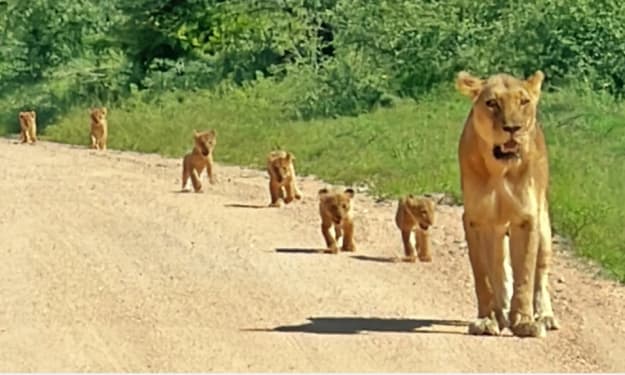
Tiny Lion Cubs Struggle To Keep Up With Mom
In the heart of the African savannah, life is a constant lesson for young animals. Few scenes are as endearing — or as heartwarming — as tiny lion cubs trying to keep pace with their mother. These little bundles of fur face a world full of challenges, from learning to hunt to avoiding dangers, all while depending on the guidance and protection of their experienced mom. Watching cubs wobble and tumble as they attempt to keep up with their mother reminds us that growing up, even in the wild, is a journey full of struggle, determination, and adorable missteps. The Early Days of Lion Cubs Lion cubs are born blind and helpless, usually in litters of two to six. For the first few weeks, they rely entirely on their mother for warmth, food, and safety. Even after opening their eyes and beginning to explore, the cubs are far from independent. The first months are crucial. Cubs learn social cues, hunting basics, and survival skills simply by watching their mother and the pride. But as anyone who has observed them knows, there’s often a huge gap between observation and action. Tiny cubs often struggle to match their mother’s pace, especially when she moves through long stretches of savannah or leads the family on patrols. A Mother’s Role in the Wild For a lioness, raising cubs is a full-time commitment. She hunts, defends her territory, and teaches her young, all while staying alert to predators such as hyenas, leopards, and even rival lions. The cubs, meanwhile, attempt to mimic her every move — often with clumsy yet charming results. A mother lion’s patience is remarkable; she frequently slows down, nudges them along, or stops to ensure no cub is left behind. These moments, while stressful for the tiny cubs, are vital learning opportunities. Struggling to Keep Up: Why It’s So Hard There are several reasons why tiny lion cubs have trouble keeping pace with their mother: Short Legs, Big Steps: Lion cubs’ legs are tiny and their coordination is limited, making it difficult to cover the same distance as an adult lioness. Curiosity: Cubs are naturally curious. A single butterfly or rustling bush can distract them, leaving mom to pause repeatedly. Energy Levels: Young lions tire quickly. Even with frequent naps, the cubs’ stamina is far lower than their mother’s. Learning Through Play: Play is not just fun; it teaches hunting, balance, and social skills. Running off to pounce on a sibling or chase an insect is all part of their education. Despite these challenges, the cubs’ determination to keep up demonstrates their resilience and growing understanding of the wild world. Lessons in Teamwork and Survival Every cub struggling to keep up is also learning crucial survival skills. The journey across the savannah is more than a test of speed — it’s a lesson in: Coordination: Cubs learn how to move efficiently across different terrains. Patience: They begin to understand the rhythms of adult life and the pace required for survival. Social Skills: Staying with the group teaches cubs how to interact with siblings and the pride, which is essential for their future roles. Observation: By following their mother, cubs study hunting techniques, territorial behavior, and predator awareness. Even the moments when cubs stumble or lag behind are essential for their development. These experiences prepare them for independence, which comes sooner than many might expect. The Cutest Moments in the Wild Anyone who has watched tiny lion cubs knows that their struggles are often irresistibly cute. Video clips from wildlife reserves frequently show cubs toddling along, tumbling over each other, or getting distracted mid-step. Observers often comment that these little stumbles reveal personality, determination, and playfulness, making them one of nature’s most heartwarming spectacles. While their mother is serious and focused, the cubs inject a sense of humor and lightness into life on the savannah. Why This Matters The struggles of lion cubs aren’t just adorable — they’re vital for understanding wildlife behavior. Conservationists and animal behaviorists use these moments to study growth patterns, social structures, and survival strategies in lion populations. These observations also highlight the importance of preserving natural habitats. Cubs must learn in a safe environment to survive; habitat loss, poaching, and climate change make these early struggles even more dangerous. Protecting the African savannah ensures that future generations of lions can experience the same lessons and playful tumbles. The Road to Independence Within a year, these tiny cubs will be more agile, faster, and more confident. By the time they reach two to three years old, males may begin to leave the pride, while females often stay and become caretakers themselves. Every misstep, tumble, and lagging moment is part of the journey toward strength, coordination, and independence. Watching them now gives us a glimpse of the challenges they will overcome, and the survival skills they will carry for life. A Celebration of Motherhood Ultimately, these scenes remind us of the incredible bond between mother and cubs. Her patience, vigilance, and teaching are the foundations of their future. The cubs’ struggles highlight the trials of growing up, while their determination showcases the resilience and beauty of wildlife. For those observing, it’s a powerful lesson in care, guidance, and perseverance, not just in lions but in the natural world as a whole. Final Thoughts Watching tiny lion cubs try to keep up with their mother is both entertaining and enlightening. It’s a story of growth, struggle, and resilience — a reminder that even the fiercest creatures start small, learning step by step. These little lions capture hearts while teaching life lessons: patience, determination, teamwork, and the importance of guidance. As they tumble and waddle across the savannah, they show us that growth is a process, one adorable misstep at a time. For wildlife enthusiasts, animal lovers, and anyone enchanted by nature, these tiny cubs are proof that even in the wild, love, care, and persistence are universal truths.
By Aarif Lashariabout 7 hours ago in Earth
Microbiota, microbiome or microflora: how to speak correctly and why it is for health.
You've probably heard the phrase, "We are what we eat." But modern science says more precisely: we are also those who live in us. Until 2016, it was believed that there are many times more bacteria in our body than our own cells. The latest calculations by mathematicians show that we divide the body with our microorganisms by about 50/50: about 30 trillion of our cells versus 38 trillion bacterial ones.
By Yaroslav Gorohov4 days ago in Earth



Comments
There are no comments for this story
Be the first to respond and start the conversation.