
The Earth Is Speaking—Are We Listening?
Understanding the Environmental Crisis and What We Must Do Now to Protect Our Planet’s Future

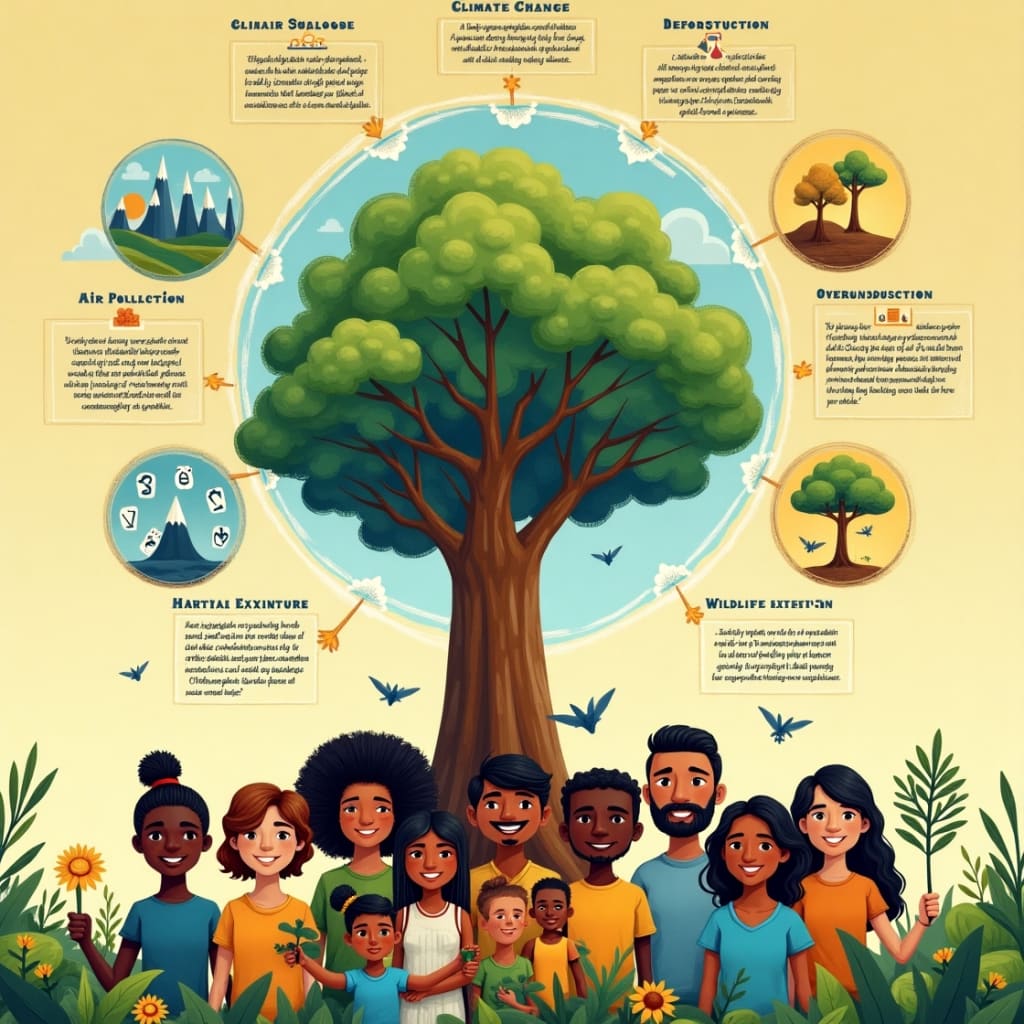
Introduction
Our planet is under pressure. From melting glaciers and burning forests to plastic-choked oceans and polluted air, the Earth is showing clear signs of distress. The environmental crisis we face is not a distant problem—it’s a present and growing threat that affects every human, animal, and ecosystem on the planet.
This article explores the key environmental issues of our time, their causes, impacts, and most importantly, what each of us can do to be part of the solution.
---
The Climate Crisis
At the heart of the environmental crisis is climate change—caused mainly by the release of greenhouse gases like carbon dioxide and methane into the atmosphere. These emissions trap heat, leading to global warming.
Key contributors to climate change include:
Burning fossil fuels (coal, oil, and gas)
Deforestation (especially tropical rainforests)
Industrial agriculture and livestock production
Overconsumption and wasteful lifestyles
Consequences we already see today:
Rising sea levels threatening coastal cities
More frequent and intense natural disasters like hurricanes and wildfires
Disruption of food and water supply chains
The extinction of species and loss of biodiversity
---
Plastic Pollution
Every minute, a garbage truck’s worth of plastic enters our oceans. Plastics are cheap and convenient, but they break down into microplastics that last for centuries, harming marine life and even entering our food and water.
Shocking facts:
Over 8 million tons of plastic end up in the ocean every year
By 2050, there could be more plastic than fish in the ocean by weight
Animals mistake plastic for food, leading to injury and death
Reducing plastic use, switching to reusable products, and supporting bans on single-use plastics are key steps we can take as individuals and communities.
---
Deforestation and Biodiversity Loss
Forests are often called the “lungs of the Earth.” They absorb carbon dioxide and release oxygen, making life possible. Yet, every year, millions of acres are destroyed to make way for cattle farming, palm oil plantations, and mining.
Impacts of deforestation:
Increased carbon in the atmosphere
Displacement of Indigenous communities
Habitat loss for countless species
Disruption of the global water cycle
Biodiversity—the variety of life on Earth—is rapidly shrinking. We're currently experiencing the sixth mass extinction, largely driven by human activity. Protecting natural habitats is not just about saving animals—it’s about preserving the balance that supports all life, including ours.
---
Water Scarcity and Pollution
Freshwater is becoming scarcer due to overuse, pollution, and climate change. In many parts of the world, people lack access to clean water, leading to disease and death.
Common causes of water pollution include:
Industrial waste dumped into rivers
Agricultural runoff filled with pesticides
Oil spills and plastic waste
Poor sewage treatment systems
Conserving water, reducing chemical use, and supporting clean water initiatives are vital actions to protect this essential resource.
---
Air Pollution and Urban Challenges
Cities are growing fast—but often at the cost of the environment. Urbanization leads to increased energy use, car emissions, and industrial pollution. Air quality is a major issue in many global cities.
Health effects of air pollution:
Respiratory diseases like asthma and bronchitis
Heart disease and stroke
Early death, especially in vulnerable populations like children and the elderly
Green cities, clean energy, and better public transport systems can help reduce pollution and improve urban living conditions.
---
The Role of Consumerism
Our modern lifestyle—centered around convenience, consumption, and constant growth—is unsustainable. The production and disposal of goods require massive resources and generate waste.
Fast fashion, for example, is one of the most polluting industries in the world. Electronics, packaging, and food waste also contribute heavily to environmental degradation.
What you can do:
Buy less, choose well, and make it last
Support eco-friendly brands and circular economy initiatives
Repair and reuse instead of replacing
Think before you throw
---
The Power of Renewable Energy
Fossil fuels may have powered the industrial revolution, but they are destroying our future. Clean energy sources—like solar, wind, and hydropower—are now cheaper and more accessible than ever.
Transitioning to renewable energy is not just about reducing emissions; it’s also about:
Creating new jobs in sustainable industries
Reducing energy poverty in developing nations
Ensuring energy independence and security
We need governments and corporations to invest in green infrastructure—but we can also support this transition in our homes and communities.
---
What Can You Do?
Feeling overwhelmed is natural. The environmental crisis is massive, but individual actions do matter, especially when multiplied by millions of people.
Here are some ways to start:
Educate yourself and others about environmental issues
Reduce, reuse, and recycle wisely
Switch to sustainable transportation (walk, bike, carpool, public transit)
Support eco-conscious leaders and policies through your vote
Volunteer or donate to environmental organizations
Speak up—use your voice on social media, at school, or in your community
---
Conclusion
The Earth doesn’t need saving—we do. The planet will survive in one form or another, but human life and the ecosystems we rely on will not thrive unless we take action now.
The environmental crisis is not just a scientific or political issue—it’s a moral one. We are the first generation to fully understand the damage we’re causing and possibly the last with a chance to stop it.
It’s time to listen to the Earth. Because it’s speaking—loud and clear.
About the Creator
The BAFTA Awards
By now, in a stunning departure from recent years, most of the world is aware of what happened at the BAFTA film awards. Social Media Headlines will tell you the bare bones: that John Davidson, a Tourette's Syndrome advocate, shouted a racial slur at two Actors of Colour, Michael B Jordan and Delroy Lindo.
By Natasja Rose5 days ago in Psyche




Comments
There are no comments for this story
Be the first to respond and start the conversation.