
Climate Change
Debunking Denialism and Addressing the Urgency for Global Action

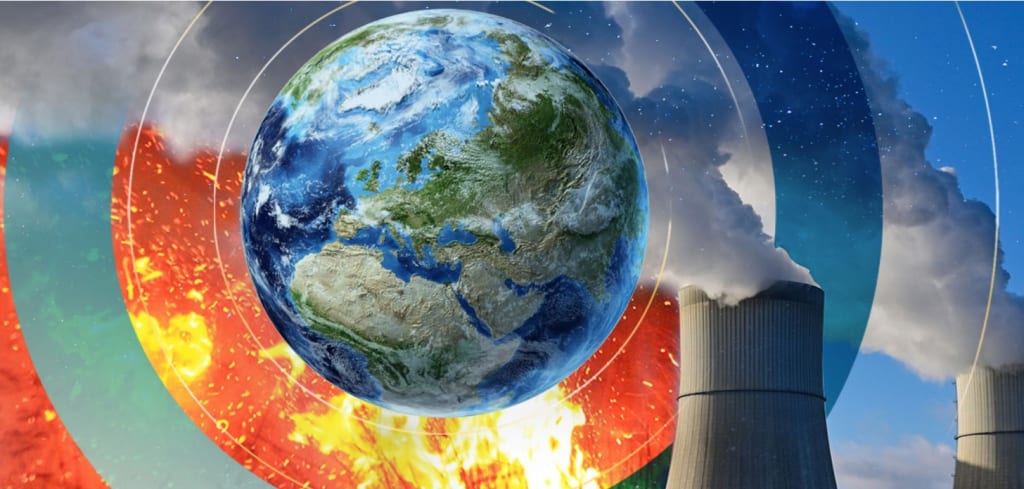
Climate change is an existential threat that demands immediate attention and global cooperation. Despite overwhelming scientific consensus, a vocal minority continues to propagate climate change denialism, hindering progress in addressing this critical issue. In this article, we dive into the captivating world of climate change, debunking denialist arguments, and highlighting the urgent need for collective action. Join us as we explore the science, impacts, and solutions to climate change while emphasizing the crucial role of public awareness and global collaboration.
The Science of Climate Change: Overwhelming Evidence
The scientific evidence for climate change is irrefutable. Multiple lines of research, including temperature records, ice core samples, and satellite observations, demonstrate a clear and unprecedented increase in global temperatures. The Intergovernmental Panel on Climate Change (IPCC) and numerous scientific organizations worldwide have unequivocally stated that human activities, primarily the burning of fossil fuels, are the primary drivers of climate change.
Debunking Denialist Arguments: Fact vs. Fiction
Climate change denialism is often based on misinformation and flawed arguments. One common claim is that natural climate variability is responsible for current warming trends. However, scientific studies consistently show that the current rate of warming is far beyond the scope of natural variation. Denialists also cherry-pick data, focusing on short-term trends to downplay the long-term warming trajectory. Additionally, claims that climate change is a result of solar activity or natural cycles fail to align with the comprehensive body of scientific evidence.
Impacts of Climate Change: A Global Crisis
Climate change poses a wide range of threats to our planet and its inhabitants. Rising temperatures lead to more frequent and intense heatwaves, extreme weather events, and the melting of polar ice caps and glaciers. Sea-level rise threatens coastal communities and ecosystems, while disruptions in rainfall patterns impact agriculture, water resources, and biodiversity. The consequences of climate change are not limited to environmental concerns but also extend to economic, social, and health aspects of human life.
The Urgency for Global Action: Mitigation and Adaptation
Addressing climate change requires both mitigation and adaptation strategies. Mitigation focuses on reducing greenhouse gas emissions by transitioning to renewable energy sources, promoting energy efficiency, and implementing sustainable practices. Simultaneously, adaptation involves preparing for and minimizing the impacts of climate change through measures like infrastructure improvements, ecosystem restoration, and community resilience building. Urgent and concerted global action is necessary to limit global warming and safeguard our planet for future generations.
The Role of Public Awareness: Fostering Climate Consciousness
Public awareness and understanding of climate change play a crucial role in driving action and shaping policy. Education and communication initiatives are vital in dispelling denialist narratives, promoting scientific literacy, and fostering climate consciousness. Engaging the public through accessible and compelling messaging, emphasizing the real-world impacts of climate change, and highlighting the benefits of sustainable practices can inspire collective action at all levels of society.
Global Collaboration: Bridging Divides for a Sustainable Future
Climate change is a global challenge that transcends borders, requiring collaboration and cooperation among nations. International agreements like the Paris Agreement aim to mobilize global efforts to combat climate change, setting targets for emissions reductions and providing a framework for cooperation. By bridging political divides, fostering dialogue, and sharing knowledge and resources, we can collectively tackle this urgent issue and create a sustainable future for all.
Climate change denialism stands as a barrier to the critical action needed to combat the climate crisis. By debunking denialist arguments and emphasizing the overwhelming scientific consensus, we can build a solid foundation for meaningful change. With a heightened public awareness of the impacts and urgency of climate change, coupled with global collaboration and political will, we can address this pressing challenge and create a sustainable future for generations to come.
About the Creator
Gilbert Mutongoi Ashiku
Like Informative articles on trends and tech? you are at the right place, welcome on board and enjoy my fascinating articles.
Keep reading
More stories from Gilbert Mutongoi Ashiku and writers in Earth and other communities.
Xeriscaping
In the quest for a more sustainable and eco-friendly future, xeriscaping emerges as a shining star in the world of landscaping. With its focus on water-wise practices and native plant selections, xeriscaping not only creates stunning landscapes but also contributes significantly to conserving precious water resources. Let us embark on a fascinating journey into the world of xeriscaping and discover how this innovative approach is paving the way for a greener, more sustainable future.
By Gilbert Mutongoi Ashiku3 years ago in Earth
The Fiery Circle: Understanding the Pacific Ring of Fire
The **Pacific Ring of Fire** is not a literal ring of flames, but it is undoubtedly the most geologically volatile region on Earth. Stretching approximately 40,000 kilometers (25,000 miles) in a massive horseshoe shape, it traces the coasts of the Pacific Ocean—from the southern tip of South America, up along the coast of North America, across the Bering Strait, down through Japan, and into Southeast Asia and New Zealand.
By Irshad Abbasi 6 days ago in Earth


Comments
There are no comments for this story
Be the first to respond and start the conversation.