
Climate Change Threatens Aardvarks: Implications for Sub-Saharan Ecosystems
A Vital Species Faces Challenges in a Warming Climate
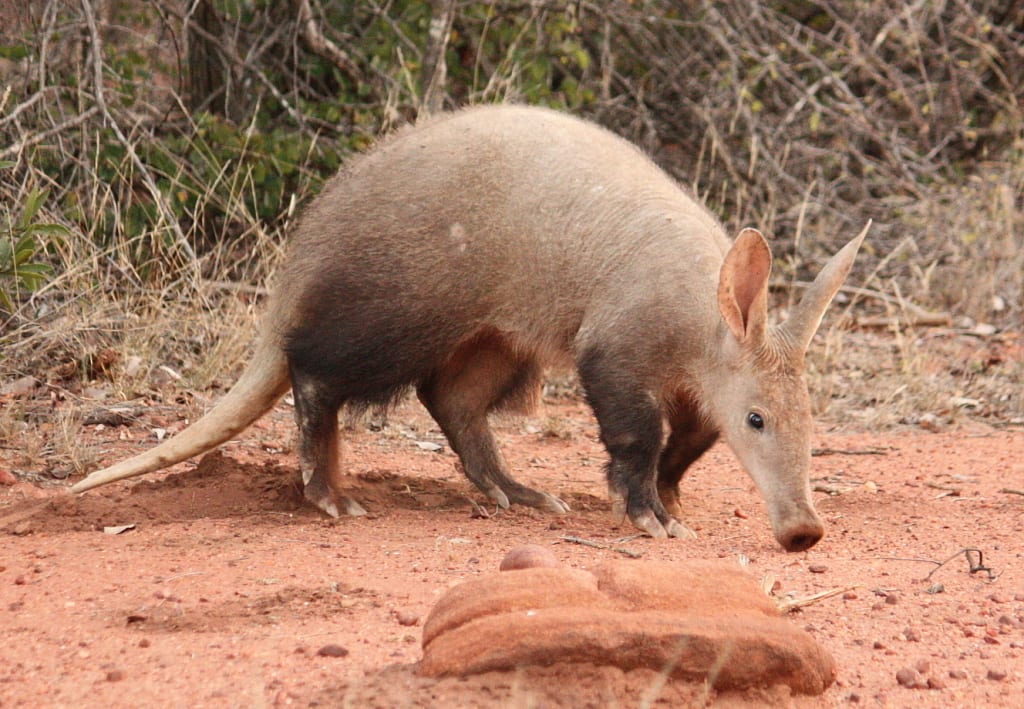
Aardvarks, the burrowing nocturnal mammals crucial to sub-Saharan Africa's ecosystem, are facing an uncertain future due to the adverse effects of climate change, according to a study conducted by researchers from Oregon State University. The study, published in the journal Diversity and Distributions, highlights the impact of aridification on aardvark distribution and movement, potentially jeopardizing their long-term survival.
The unique challenges faced by aardvarks stem from the increasingly dry landscapes in sub-Saharan Africa, isolating these mammals and rendering them susceptible to the escalating impacts of climate change. The research, based on an analysis of aardvark fecal samples, sheds light on the critical role these creatures play in the ecosystem and the urgent need for conservation efforts.
The study points out that long-term droughts, intensified by climate change, have become 100 times more likely, as reported by the World Weather Attribution group. Aardvarks, which inhabit savannah and semiarid areas across the southern two-thirds of Africa, contribute significantly to the ecosystem by controlling termite populations that pose a threat to human-built structures. Additionally, their burrows serve as vital habitats for numerous other species.
Despite their ecological importance, aardvarks remain understudied due to their nocturnal habits, elusive nature, and low population density spread across vast and often remote landscapes. The researchers emphasize the necessity of understanding the causes of differentiation within a species in the face of rapid environmental changes for informed conservation and management.
While aardvark DNA has been examined in previous studies focused on mammalian evolution, this research marks the first instance of analyzing wild aardvark populations. The scientists evaluated the population genetic structure at both local and regional scales, surveying protected and privately owned areas in South Africa, Eswatini, and Kenya.
The study, conducted from 2016 to 2018, involved collecting and analyzing 253 aardvark fecal samples, with 104 samples providing high-quality genetic information. At the local scale, the researchers tested hypotheses about the influence of distance and landscape on gene flow, utilizing a locally developed habitat model. At the regional scale, they explored the effects of landscape on genetic differentiation.
The genetic data collected in South Africa revealed that aardvarks in the western, central, and eastern regions exhibited some degree of separation. Notably, closely related aardvarks were found up to 7.3 km apart, while those within 55 km were more genetically similar. The arid areas across South Africa and Eswatini were identified as significant barriers to gene flow, with lower rainfall impacting vegetation and, consequently, the availability of termites and ants, the primary food source for aardvarks.
The study concluded that climate, particularly arid conditions, strongly influences the genetic structure of aardvark populations. Arid areas limit gene flow, resulting in apparent isolation and adaptation associated with temperature. The researchers suggested that monitoring aardvark presence could serve as an effective indicator of ecosystem changes linked to aridification.
In addition to these findings, the study highlights the broader implications of climate change on the delicate balance of sub-Saharan ecosystems. Aardvarks, as key players in controlling termite populations, indirectly contribute to human well-being by preventing damage to infrastructure. With the increasing frequency of long-term droughts, there is a heightened risk of habitat loss for aardvarks, leading to cascading effects on the ecosystem.
Furthermore, the researchers recommend collaborative efforts to study and protect aardvarks, considering their elusive nature and the challenges associated with their conservation. Public awareness campaigns, conservation programs, and habitat preservation initiatives are crucial to mitigating the impact of climate change on aardvark populations and, consequently, preserving the ecological integrity of sub-Saharan Africa.
In conclusion, the study underscores the vulnerability of aardvarks to climate change and emphasizes the need for proactive conservation measures. Preserving the ecological balance that aardvarks contribute to sub-Saharan Africa's ecosystems is crucial for maintaining biodiversity and addressing the broader challenges posed by a warming climate. Continued research and concerted conservation efforts are imperative to ensure the long-term survival of these fascinating creatures in the face of an ever-changing climate.
About the Creator
Keep reading
More stories from odirile toby sekotswe and writers in Earth and other communities.
RIVERS ARE COMPROMISED BY MORE THAN ENVIRONMENTAL CHANGE
Unsafely arranged between rising ocean levels and tensions from upstream lies waterfront stream deltas and their generally a portion of a billion occupants. These areas had a significant impact in cultural improvement since the last ice age, offering level, fruitful terrains with plentiful freshwater which are great for farming.
By odirile toby sekotswe2 years ago in Earth
China Sets a New Benchmark: 22.13-Kilometer Highway Tunnel Breaks World Record
China has once again captured global attention by pushing the limits of civil engineering with the completion of a 22.13-kilometer highway tunnel. This extraordinary feat has not only set a new world record but also highlights China’s relentless drive to expand and modernize its transportation network. The tunnel, which threads through challenging mountainous terrain, promises to revolutionize travel efficiency, boost regional connectivity, and further cement China’s reputation as a global leader in mega infrastructure projects.
By Muhammad Hassan4 days ago in Earth
Japan Flexible Packaging Market Size and Forecast 2025–2033
Japan Flexible Packaging Market Overview The Japan Flexible Packaging Market is undergoing a significant transformation as the country adapts to evolving consumer lifestyles, sustainability regulations, and technological advancements in material science. According to Renub Research, the market is expected to grow from US$ 6.56 billion in 2024 to US$ 9.15 billion by 2033, registering a CAGR of 3.77% during 2025–2033.
By Sushant. Renub Researcha day ago in Earth



Comments (1)
I hope they'll be okay 🥺 Thank you so much for sharing this!