

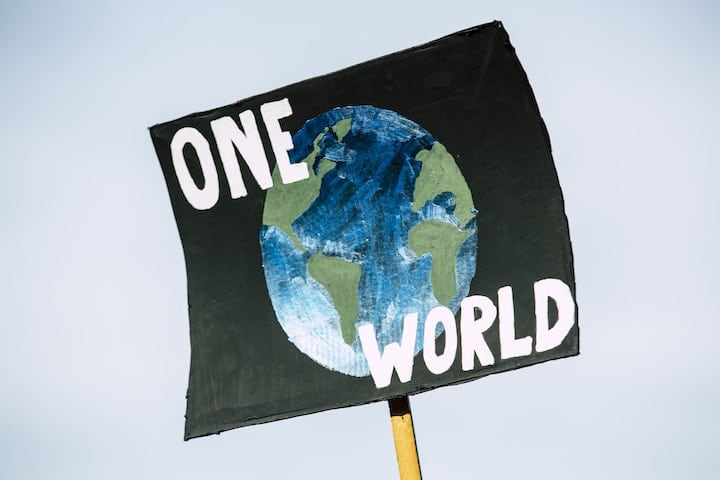
Climate change is undeniably one of the most pressing issues of our time, and it requires urgent action from all sectors of society. While individual efforts are crucial, systemic changes and collective action are equally important to address the scale of the problem.
Governments play a pivotal role in shaping climate policies and implementing regulations that promote clean energy and sustainability. Supporting political candidates who prioritize climate action and advocating for stronger environmental regulations can have a significant impact. By engaging in local and national politics, we can encourage the adoption of policies that prioritize renewable energy, reduce carbon emissions, and support sustainable practices.
In recent years, there has been a growing global consensus on the need to transition to renewable energy sources. This shift not only helps reduce carbon emissions but also brings numerous benefits to both the environment and the economy. Renewable energy technologies such as solar, wind, and geothermal power are becoming increasingly cost-effective and accessible. Governments, businesses, and individuals can contribute by investing in renewable energy infrastructure, supporting research and development, and advocating for policies that incentivize the adoption of clean energy sources.
Another key aspect of addressing climate change is investing in research and development of clean technologies. By supporting innovative solutions and advancements in renewable energy, energy storage, and sustainable transportation, we can accelerate the transition to a low-carbon economy. This involves encouraging businesses and governments to allocate resources towards research, development, and implementation of climate-friendly technologies.
Furthermore, it is essential to recognize that climate change disproportionately affects marginalized communities and developing nations. Taking action also means advocating for climate justice and ensuring that the burden of the crisis does not fall solely on those who are least responsible for it. Supporting initiatives that promote social and economic equity, access to clean energy, and resilience in vulnerable communities is crucial for a just and equitable transition.
In addition to governmental and institutional efforts, individuals can make a significant impact through their daily choices and behaviors. Adopting sustainable practices in our homes, workplaces, and communities can help reduce our carbon footprint. Simple actions such as conserving energy, using public transportation or cycling, and reducing waste can have a tangible effect. Transitioning to energy-efficient appliances, implementing recycling programs, and supporting local, organic food sources are all steps we can take to contribute to a more sustainable future.
Education and awareness are fundamental in the fight against climate change. By staying informed about the latest scientific research and sharing knowledge, we can inspire others to take action. Encouraging sustainable practices in schools, workplaces, and communities fosters a culture of environmental stewardship. Additionally, supporting organizations and initiatives that promote climate education and awareness can help amplify the message and mobilize collective action.
Climate change also presents opportunities for economic growth and job creation. The renewable energy sector has the potential to generate millions of new jobs globally. By investing in clean energy industries, countries can not only reduce carbon emissions but also stimulate economic development and create sustainable employment opportunities. Supporting policies and programs that promote a just transition to a green economy can ensure that the benefits of this transition are equitably shared among all communities.
International cooperation is vital in addressing the global nature of climate change. Countries must come together to set ambitious emission reduction targets and work collaboratively to achieve them. The United Nations Framework Convention on Climate Change (UNFCCC) and the Paris Agreement provide a framework for global cooperation in tackling climate change. By supporting international climate negotiations and initiatives, individuals and organizations can contribute to the global effort of mitigating the impacts of climate change.
Ultimately, tackling climate change requires a multifaceted approach that combines individual actions, policy changes, technological advancements, social movements, and international collaboration. By recognizing the interconnectedness of the issue and working together, we can mitigate the impacts of climate change and build a more sustainable and resilient future for generations to come.
While the challenge of climate change may seem daunting, it is important to remember that every action counts. Each step we take towards reducing carbon emissions and promoting sustainable practices brings us closer to a healthier planet. By embracing a mindset of sustainability and advocating for change, we have the power to make a positive difference and create a more sustainable world for future generations. Together, we can address the climate crisis and ensure a brighter future for ourselves and the planet we call home.
About the Creator
A Teenager’s Death on an Untamed Island Has Put the Spotlight on Its Inhabitants
The death of a teenager on a remote, untamed island has sent shockwaves far beyond its shores. What was once seen as a place of raw beauty, adventure, and ecological wonder is now at the center of a difficult conversation about human safety, wildlife conservation, and the true cost of nature-based tourism.
By Muhammad Hassan6 days ago in Earth
The Jinn Fled
This short story was narrated by my grandson Taimoor, who is thirteen years old. He heard it from the family of his friend Zain Ali. Zain Ali’s mother, Nusrat Bibi, loves Taimoor like her own son. She is a pious, well-mannered, kind-hearted, and refined woman.
By Sudais Zakwan2 days ago in Earth




Comments
There are no comments for this story
Be the first to respond and start the conversation.