
Climate Change: Plastic in the ocean
Just how harmful is it to us and marine wildlife?

Climate change and the dangers of plastic in the ocean are two pressing environmental issues that demand our immediate attention. Both issues have far-reaching consequences for the planet and its inhabitants, and urgent action is necessary to mitigate their impacts.
Climate change refers to the long-term alteration of temperature and weather patterns on Earth, primarily caused by human activities such as the burning of fossil fuels and deforestation. The emission of greenhouse gases, such as carbon dioxide, methane, and nitrous oxide, traps heat in the Earth's atmosphere, leading to a rise in global temperatures. This phenomenon has resulted in a range of adverse effects, including melting ice caps, rising sea levels, extreme weather events, and disruptions to ecosystems.
One significant consequence of climate change is the acidification of the oceans. As the concentration of carbon dioxide in the atmosphere increases, a portion of it dissolves into the oceans, forming carbonic acid. This acidification threatens marine life, particularly species that rely on calcium carbonate to build their shells and skeletons, such as coral reefs, oysters, and certain types of plankton. The loss of these species can disrupt the entire ocean food web, impacting not only marine biodiversity but also human populations that depend on seafood for sustenance and livelihoods.
Furthermore, climate change intensifies extreme weather events, such as hurricanes, cyclones, and droughts, which have devastating consequences for coastal communities. Rising sea levels and increased storm surges pose a significant threat to low-lying areas, leading to coastal erosion, flooding, and the displacement of millions of people worldwide. The long-term effects of climate change, if left unchecked, will continue to exacerbate these challenges, leading to further environmental degradation and human suffering.
In addition to climate change, the accumulation of plastic in the oceans poses a grave danger to marine ecosystems and human health. Plastic pollution has become a pervasive and global problem. Every year, millions of tons of plastic waste end up in the oceans, harming marine life and ecosystems in various ways. Marine animals often mistake plastic debris for food, resulting in ingestion and entanglement. This can lead to internal injuries, suffocation, and starvation, ultimately causing population declines and disrupting entire ecosystems.
Plastic pollution in the ocean is a significant environmental crisis that poses grave threats to marine ecosystems, wildlife, and human well-being. The relentless accumulation of plastic waste in our oceans has reached alarming levels, with devastating consequences for the delicate balance of marine life.
Plastic waste also poses risks to human health. As plastics break down into smaller particles, known as microplastics, they can enter the food chain through marine organisms. These microplastics have been found in seafood, drinking water, and even the air we breathe. The long-term effects of human exposure to microplastics are still being studied, but there are concerns about potential health risks, including hormonal disruptions and the accumulation of toxic chemicals within the body.
Addressing climate change and plastic pollution requires a multi-faceted approach involving governments, businesses, and individuals. Transitioning to renewable energy sources, reducing greenhouse gas emissions, promoting sustainable land use practices, and protecting and restoring ecosystems are essential steps in mitigating climate change. To tackle plastic pollution, we must prioritize waste reduction, promote recycling and circular economy models, and implement stricter regulations on single-use plastics. Furthermore, public awareness and education play a crucial role in fostering a collective responsibility towards these issues.
By taking immediate and concerted action, we can mitigate the impacts of climate change and reduce plastic pollution in our oceans. The preservation of our planet and its biodiversity depends on our ability to address these challenges, protect fragile ecosystems, and ensure a sustainable future for generations to come.
About the Creator
Keep reading
More stories from writers in Earth and other communities.
Dow Jones Futures: Tesla, Microsoft, Meta, Apple Lead Earnings Wave; What To Do Now
As the stock market enters the heart of earnings season, investors are closely watching the Dow Jones futures, which reflect expectations for the blue-chip index’s performance in the coming days. This week, Tesla, Microsoft, Meta, and Apple are at the forefront, with analysts and traders scrutinizing their results to gauge both company performance and broader market trends.
By Muhammad Hassan7 days ago in Earth
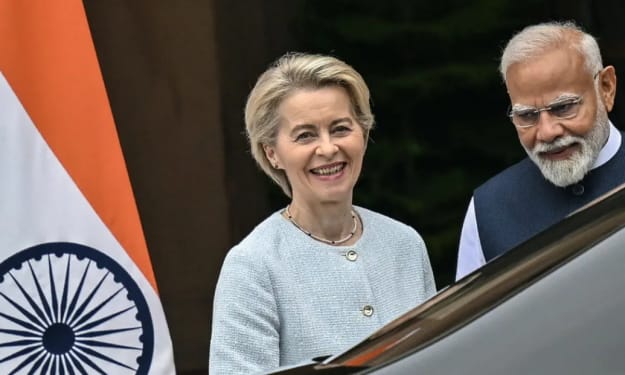
Europe Is About to Sign a Long-Awaited Free-Trade Deal With India
After years of negotiations, pauses, and political recalculations, Europe and India are finally on the brink of signing a long-awaited free-trade agreement. What once seemed like an overly ambitious diplomatic project is now becoming a reality—one that could redefine trade relations between two of the world’s most influential economic regions. This deal is not just about tariffs and exports. It’s about shifting global power, strengthening supply chains, and creating new opportunities for communities on both sides. Why This Deal Took So Long Talks between the European Union and India began well over a decade ago, but progress was slow. Differences over labor standards, environmental rules, market access, and intellectual property rights repeatedly stalled negotiations. Both sides had strong priorities—and neither wanted to compromise too much. However, the global landscape has changed dramatically in recent years. Supply chain disruptions, geopolitical tensions, and a growing desire to reduce over-reliance on single markets have pushed both Europe and India to rethink their strategies. Suddenly, cooperation feels less optional and more necessary. What the Agreement Is Expected to Cover At its core, the free-trade deal aims to reduce tariffs, ease regulations, and open markets between Europe and India. European companies are seeking better access to India’s vast consumer market, while India wants smoother entry into European industries such as technology, pharmaceuticals, and manufacturing. The agreement is also expected to include provisions related to: Digital trade Sustainable development Labor rights Investment protection These elements reflect modern trade priorities, where economic growth is increasingly linked with social and environmental responsibility. Why Europe Needs India Right Now For Europe, the deal is part of a broader strategy to diversify trade relationships. Recent global events have highlighted the risks of economic dependency. India, with its rapidly growing economy and young workforce, represents both stability and potential. European policymakers see India as a long-term partner capable of balancing global trade dynamics. Strengthening ties with India could also help Europe remain competitive in a world where economic influence is constantly shifting. Why India Is Saying Yes India, too, stands to gain significantly. A free-trade agreement with Europe could boost exports, attract investment, and accelerate economic modernization. It also positions India as a major global player willing to engage on equal terms with powerful blocs. For Indian businesses—especially small and medium enterprises—easier access to European markets could mean growth, innovation, and international exposure. For workers, it could translate into job creation and skills development. Impact on Everyday Communities While trade deals often sound abstract, their effects are deeply local. Lower tariffs can reduce prices for consumers. New investments can revitalize industries and create employment. Improved cooperation can strengthen educational, cultural, and technological exchanges. Communities in Europe may see new products, partnerships, and opportunities tied to Indian innovation. Indian communities, meanwhile, could benefit from European expertise in sustainability, infrastructure, and advanced manufacturing. This is why the agreement matters beyond boardrooms and government offices—it touches real lives. Concerns and Criticism Still Exist Despite the optimism, critics on both sides have raised concerns. Some European groups worry about labor standards and environmental protections, while some Indian voices fear that local industries could struggle against European competition. These concerns highlight the importance of transparency and fair implementation. A successful agreement will require ongoing dialogue, monitoring, and cooperation to ensure that economic growth does not come at the expense of workers or the environment. A Strategic Signal to the World Beyond economics, the deal sends a strong political message. It signals that multilateral cooperation is still possible, even in an era of rising protectionism. Europe and India are showing that large, diverse democracies can find common ground through negotiation rather than confrontation. This partnership could also influence future global trade standards, especially in areas like digital regulation and sustainable development. What Happens Next Once signed, the agreement will still need formal approvals and phased implementation. Businesses, governments, and communities will need time to adapt. But the direction is clear: closer ties, deeper cooperation, and a shared economic future. For both Europe and India, this deal represents more than a trade pact—it’s a strategic investment in resilience and mutual growth. Final Thoughts The long-awaited free-trade deal between Europe and India marks a turning point in global economic relations. It reflects changing priorities, evolving partnerships, and a shared recognition that collaboration is essential in an uncertain world. As the agreement moves forward, its true success will be measured not just in trade volumes, but in how effectively it supports communities, protects values, and builds a more balanced global economy.
By Muhammad Hassan5 days ago in Earth



Comments
There are no comments for this story
Be the first to respond and start the conversation.