
Climate Change: let's keep the mother nature alive
The Urgency to Act Now

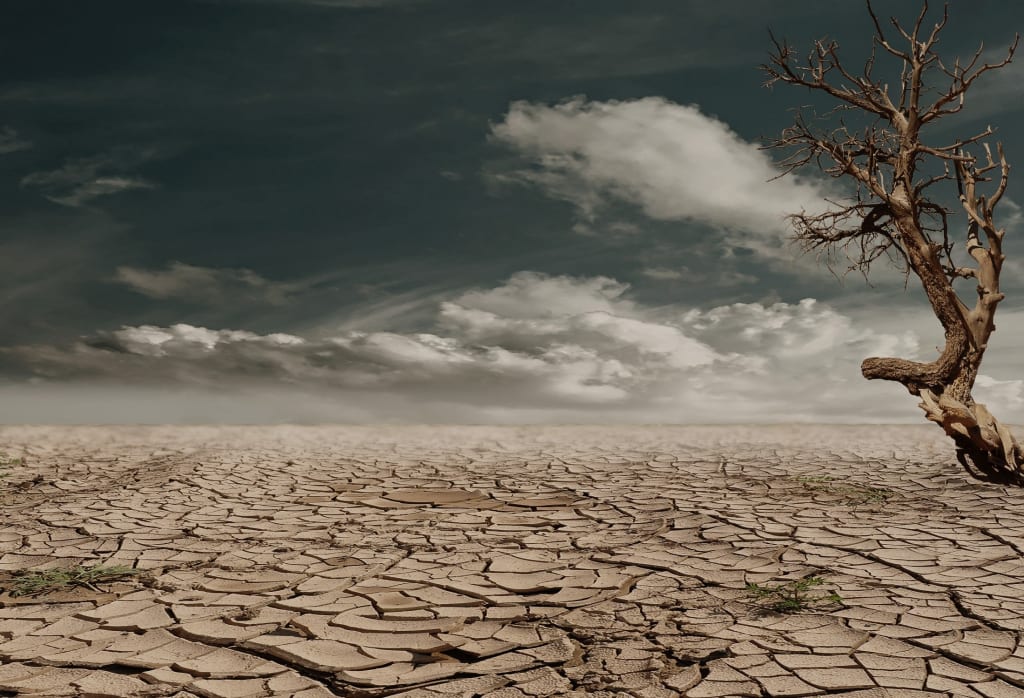
Climate change is an existential threat that requires urgent action. The science is clear: the planet is warming, and human activity is the primary cause. The effects of climate change are already being felt around the world, with more extreme weather events, rising sea levels, and melting glaciers. Inaction is not an option.
Yet, despite overwhelming evidence and growing public concern, progress on climate action has been slow. This is due to a variety of factors, including political resistance, vested interests, and a lack of public awareness.
One of the biggest contributors to climate change is the burning of fossil fuels. This includes everything from cars and trucks to power plants and industrial facilities. The use of fossil fuels releases carbon dioxide and other greenhouse gases into the atmosphere, trapping heat and causing the planet to warm up at an alarming rate. In order to combat climate change, we need to drastically reduce our reliance on fossil fuels and transition to cleaner, renewable energy sources such as wind, solar, and hydropower.
Another key issue is deforestation, which contributes to the release of carbon dioxide into the atmosphere and the loss of critical habitats for wildlife. Trees absorb carbon dioxide from the atmosphere, so cutting down large swaths of forests has a significant impact on the planet's ability to regulate its climate. To combat deforestation, we need to protect our remaining forests and plant new trees to absorb carbon dioxide and provide vital habitats for wildlife.
One of the key challenges is the perception that climate change is a distant, abstract problem that does not affect people's daily lives. This is far from the truth. Climate change is already having a tangible impact on our health, economy, and environment. In the United States, for example, extreme weather events have cost over $400 billion in damages over the past three years alone.
Another challenge is the idea that climate action is too expensive or disruptive to the economy. This is a false dichotomy. The transition to a low-carbon economy can create new jobs, spur innovation, and improve public health. A recent report from the International Renewable Energy Agency found that the global renewable energy sector employed 11 million people in 2018, a 7% increase from the previous year.
Furthermore, the cost of inaction far outweighs the cost of action. The economic and social costs of climate change are expected to reach $54 trillion by the end of the century if we continue with business as usual. This is a price we cannot afford to pay.
The urgency to act now cannot be overstated. The United Nations' Intergovernmental Panel on Climate Change (IPCC) has warned that we have just over a decade to limit global warming to 1.5 degrees Celsius to avoid catastrophic consequences. This requires a rapid and far-reaching transition to a low-carbon economy, which will require unprecedented levels of cooperation and collaboration.
Individual action is also crucial. While governments and businesses have a key role to play, individuals can make a significant difference by making simple changes to their daily lives. This includes reducing energy consumption, choosing low-carbon modes of transportation, and eating a plant-based diet. It's important that they create policies that incentivize the transition to clean energy and penalize companies that continue to rely on fossil fuels. Governments can also invest in infrastructure for renewable energy sources and implement programs to reduce deforestation and promote reforestation.
The urgency to act on climate change is clear, and the solutions are within our reach. It will require collective action and a commitment to change, but the future of our planet depends on it. We must take action now to ensure a sustainable future for ourselves and for generations to come.
In conclusion, climate change is one of the defining challenges of our time, and we must act urgently to address it. The cost of inaction is simply too high. We need to shift our mindset from one of complacency to one of urgency, and work together to create a sustainable and prosperous future for all.
About the Creator
Almasud
Welcome to my Vocal.media profile! I'm a passionate writer who loves to share my thoughts and ideas through words. I strive to create content that is thought-provoking, inspiring, and relatable to readers from all walks of life.
President Trump Calls Putin to Discuss Ending the Wars in Iran and Ukraine
Introduction In a significant diplomatic move, U.S. President Donald Trump recently held a phone conversation with Russian President Vladimir Putin to discuss ongoing conflicts in the Middle East and Eastern Europe. The call focused on the war involving Iran and the prolonged Russia-Ukraine conflict, both of which have raised global concerns about stability, security, and economic consequences. The conversation highlights growing international pressure to find peaceful solutions to these major conflicts.
By shaoor afridia day ago in Earth
Early March 2026: 4 Goals Accomplished
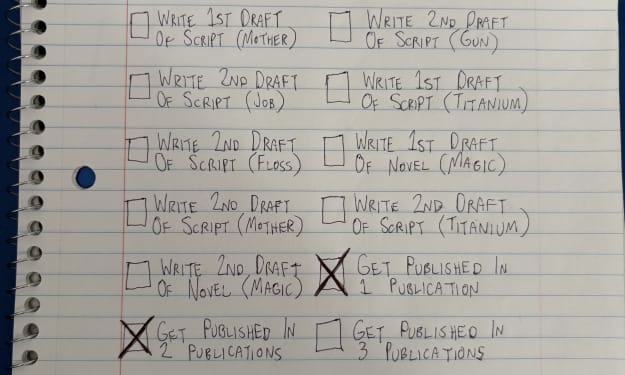
It's early March and I've now accomplished my 4th writing goal for the year of 2026. Before diving into the behind-the-scenes of it... why not tell you up front what that accomplishment was? I was published in a 2nd publication for this year. Published in Helix Literary Magazine out of Central Connecticut State University. You can read it for free right now!
By Stephen Kramer Avitabile5 days ago in Writers


Comments
There are no comments for this story
Be the first to respond and start the conversation.