
Climate change in Pakistan
Causes, Impacts, and Future Prospects of Climate Change in Pakistan: Challenges and Opportunities"

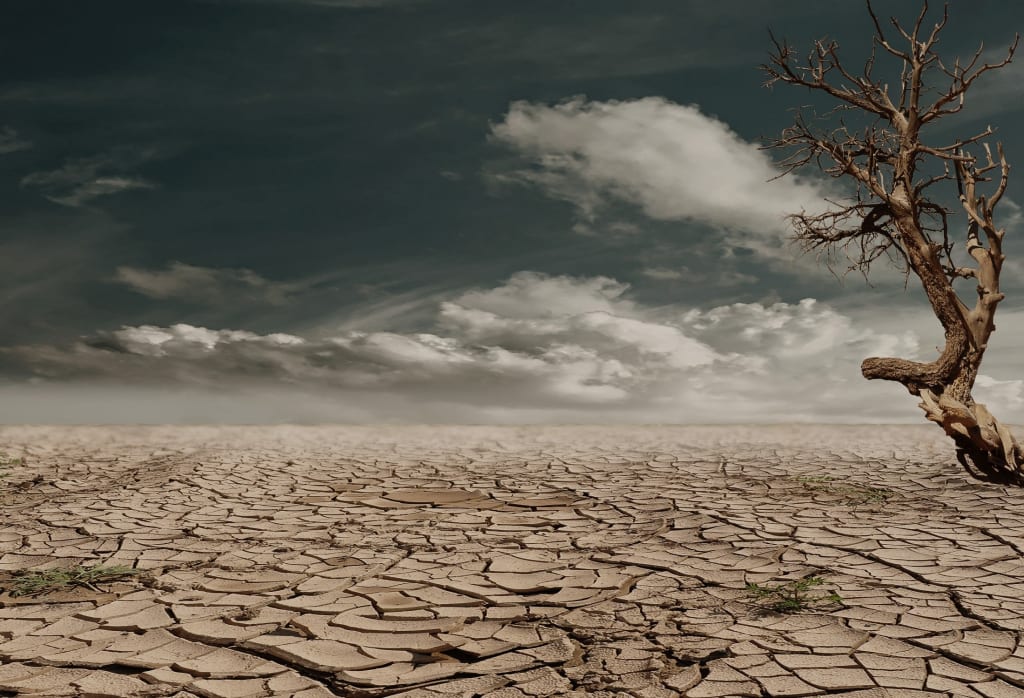
Climate Change in Pakistan: Challenges and Opportunities
Introduction
Climate change is one of the most critical environmental and socio-economic issues of our time. Its impacts are visible and affecting every country in the world. Pakistan is also one of the countries that are highly vulnerable to the adverse impacts of climate change. The country is already facing numerous challenges in the form of floods, droughts, heat waves, and glacial melting, which are all linked to climate change. In this article, we will discuss the various aspects of climate change in Pakistan, including its causes, impacts, and future prospects.
Causes of Climate Change in Pakistan
Climate change is caused by the emission of greenhouse gases (GHGs) into the atmosphere, primarily carbon dioxide (CO2) and methane (CH4), which trap heat and warm the planet. These GHGs are mainly emitted by human activities such as burning of fossil fuels, deforestation, and industrial processes. In Pakistan, the major sources of GHG emissions are the energy and agriculture sectors. The country heavily relies on fossil fuels, such as oil and natural gas, to meet its energy needs. Agriculture is another significant source of GHG emissions, accounting for around 41% of total emissions. Livestock production, rice cultivation, and fertilizer use are the primary contributors to agricultural emissions.
Impacts of Climate Change in Pakistan
The impacts of climate change are severe and wide-ranging in Pakistan. The country has already experienced several extreme weather events, including floods, droughts, and heatwaves, which have caused significant damage to infrastructure, crops, and livestock. The following are some of the significant impacts of climate change in Pakistan:
Glacial melting: Pakistan is home to some of the world's largest glaciers, including the Siachen, Biafo, and Baltoro. These glaciers are rapidly melting due to rising temperatures, which has resulted in the formation of glacial lakes and increased risk of glacial lake outburst floods (GLOFs).
Water scarcity: Pakistan is an arid country with limited water resources. Climate change is exacerbating the country's water scarcity problem by altering rainfall patterns, increasing evaporation rates, and reducing snowmelt. The country is projected to experience a significant decline in water availability in the coming decades.
Agriculture: Agriculture is the backbone of Pakistan's economy, and climate change is already affecting crop yields and productivity. Changes in temperature and rainfall patterns are affecting crop growth and leading to soil erosion and degradation.
Health: Climate change is also affecting public health in Pakistan. Extreme weather events, such as heatwaves, floods, and droughts, are causing an increase in waterborne diseases, respiratory illnesses, and malnutrition.
Biodiversity: Pakistan is home to a rich variety of flora and fauna, but climate change is threatening its biodiversity. Rising temperatures, changes in rainfall patterns, and habitat destruction are all affecting the country's ecosystems and the species that depend on them.
Future Prospects
The future of climate change in Pakistan is highly dependent on the actions taken to reduce GHG emissions and adapt to the impacts of climate change. The following are some of the possible future scenarios for climate change in Pakistan:
Continued emissions: If GHG emissions continue to rise at the current rate, Pakistan will experience more frequent and severe extreme weather events, water scarcity, and food insecurity. The country's economy and society will be severely impacted.
Mitigation: If significant action is taken to reduce GHG emissions, the impacts of climate change in Pakistan can be mitigated. This will require a shift towards renewable energy sources, such as solar and wind power, and the adoption of sustainable agriculture practices.
About the Creator
Keep reading
More stories from Khubaib Ahmad and writers in Earth and other communities.
History of Pakistan
Start writing...Pakistan is a nation in South Asia, bordered by India to the east, Afghanistan and Iran to the west, and China to the north. It has a long and complex history, shaped by a variety of cultural, religious, and political influences over thousands of years.
By Khubaib Ahmad3 years ago in Earth
Bradley Cooper’s Latest Movie Is This Thing On? Draws Inspiration from John Bishop’s Journey into Comedy
Hollywood actor and director Bradley Cooper is no stranger to versatile roles, but his latest project, Is This Thing On?, is turning heads for its unique inspiration: the career and journey of Liverpool-born comedian John Bishop. The film, a blend of humor, heart, and ambition, showcases how a global star like Cooper finds creative fuel in the life story of a working-class comedian from the UK.
By Aarif Lashariabout 15 hours ago in Earth
Trouble at the Tea Leafing Café
The rain had started right around the time that Annie was buttering her second thick slice of homemade toast for breakfast, and hadn’t paused since. Not that anyone could tell. The windows of the café were fogged over, and with every seat filled with happy customers munching on fresh baked pastries or steaming bowls of the delicious soup of the day, it was hardly surprising. Annie looked around the room, finally taking a moment to breathe after the lunch time rush. Her old life already felt like a bad memory, a part of her history, always, but just that. History.
By Hannah Moore2 days ago in Fiction


Comments
There are no comments for this story
Be the first to respond and start the conversation.