
Dutch Government Ordered to Protect Residents on Caribbean Island of Bonaire from Climate Change
Landmark Court Ruling Forces Action as Rising Seas and Extreme Weather Threaten Island Communities
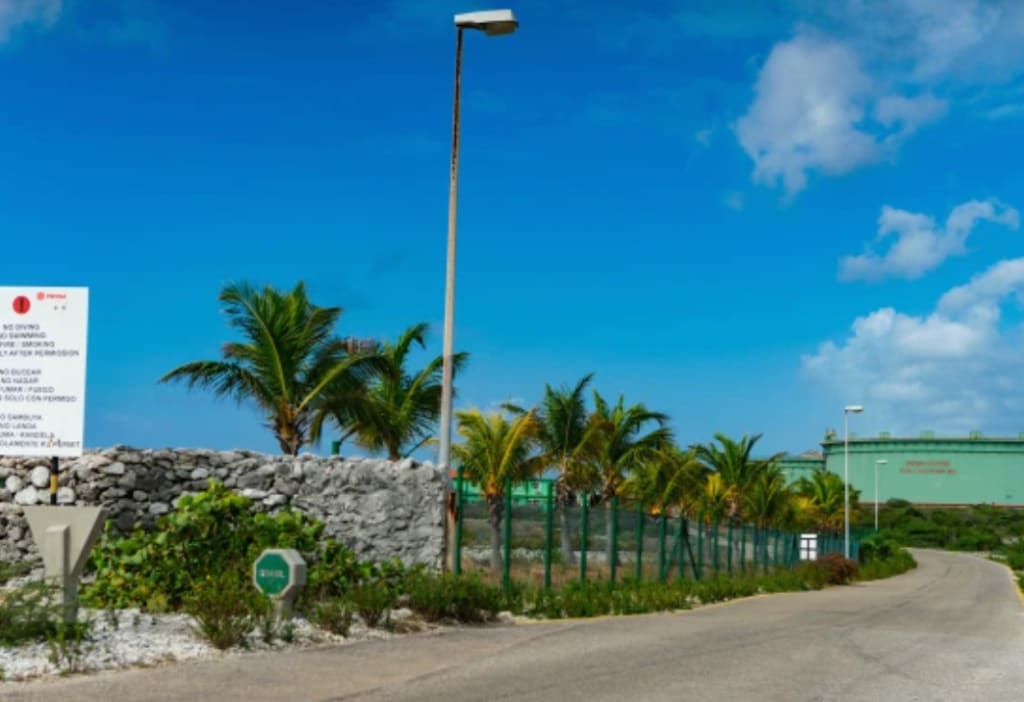
Introduction: A Historic Legal Decision
In a landmark ruling, the Dutch government has been ordered to take stronger measures to protect residents of Bonaire, a Caribbean island municipality, from the devastating impacts of climate change. The decision highlights the increasing role of legal systems in holding governments accountable for environmental protection and demonstrates the urgent need for climate adaptation policies, especially in vulnerable island communities.
Bonaire, part of the Netherlands’ Caribbean territories, faces unique challenges from rising sea levels, extreme storms, and coastal erosion. Residents have long raised concerns about flooding, water shortages, and infrastructure vulnerability. This ruling underscores the principle that governments have a legal and moral responsibility to safeguard their citizens from climate-related risks.
Background: Bonaire’s Climate Vulnerabilities
Bonaire is a small island with a population of just under 20,000 residents. Its low-lying coastal areas, coral reefs, and tourism-based economy make it particularly vulnerable to climate change. Experts warn that rising sea levels, stronger hurricanes, and increased rainfall could have catastrophic impacts on infrastructure, homes, and livelihoods.
The island has already experienced signs of climate stress:
Coastal erosion threatening homes and beaches
Saltwater intrusion affecting freshwater supplies
Coral reef degradation impacting marine biodiversity and fisheries
Increased intensity of storms causing damage to infrastructure
Residents and environmental groups have long called on the Dutch government to take more decisive action, arguing that current policies are insufficient to mitigate risks.
The Court Ruling: Government Accountability
The ruling was issued by a Dutch court following a lawsuit brought by residents and environmental organizations. They argued that the government’s failure to implement effective climate protection measures violated human rights, including the right to life, health, and housing.
The court agreed, emphasizing that:
The government has a duty to protect citizens from foreseeable climate impacts
Delays or inaction on climate adaptation measures constitute negligence
Immediate policy and infrastructure interventions are required to prevent harm
This decision is seen as a significant legal precedent, reinforcing the idea that governments can be legally obliged to act on climate change.
Measures the Government May Need to Implement
While specific actions are still being determined, experts suggest several measures the Dutch government could adopt to protect Bonaire:
Coastal Protection
Building seawalls, dikes, and flood barriers
Restoring mangroves and natural barriers to reduce wave energy
Infrastructure Resilience
Reinforcing roads, bridges, and public buildings against extreme weather
Upgrading drainage and stormwater management systems
Water Resource Management
Ensuring access to safe freshwater despite saltwater intrusion
Promoting rainwater harvesting and desalination projects
Emergency Preparedness
Developing evacuation plans and early warning systems
Conducting community education programs on disaster preparedness
The Broader Legal and Global Implications
This ruling is part of a growing trend of climate litigation worldwide, where courts are being asked to hold governments accountable for inadequate action on climate change. Notable examples include:
The 2019 Urgenda case in the Netherlands, which ordered the Dutch government to cut greenhouse gas emissions
Climate lawsuits in Colombia, the Philippines, and the U.S., where citizens seek protection from rising climate risks
Such cases demonstrate that climate change is increasingly recognized as a human rights issue, not just an environmental or economic problem. Governments may face legal consequences if they fail to protect vulnerable populations from foreseeable harm.
Challenges in Implementing Protection Measures
While the court ruling is clear, implementing measures on Bonaire presents challenges:
Financial constraints: Large-scale coastal protection and infrastructure upgrades require significant investment
Technical limitations: Designing solutions that withstand hurricanes and sea-level rise is complex
Community engagement: Successful climate adaptation requires input and cooperation from local residents
Balancing tourism and conservation: Bonaire relies heavily on tourism, which must be balanced with environmental protection measures
Despite these challenges, the court ruling puts pressure on the Dutch government to act quickly and effectively.
Importance for Island Communities
Bonaire is not the only island facing climate threats. Low-lying islands worldwide, from the Caribbean to the Pacific, are vulnerable to rising seas, storm surges, and extreme weather events. This ruling sets an example for:
Other Dutch Caribbean territories, such as Aruba and Curaçao
Small island developing states (SIDS) globally, highlighting the role of legal action in demanding climate protection
International policy discussions, emphasizing that climate adaptation is a human rights imperative
The decision reinforces the idea that proactive measures can save lives, protect livelihoods, and preserve cultural and natural heritage.
Reactions From Residents and Experts
The ruling has been welcomed by local residents, environmental groups, and climate scientists:
Residents: Expressed relief that the government is now legally required to address their concerns
Environmental organizations: Praised the court for recognizing the link between climate risk and human rights
Experts: Highlighted the ruling as a potential model for climate adaptation and legal accountability worldwide
Community leaders have called for rapid action and transparent planning, emphasizing that delays could result in irreversible damage.
Looking Ahead: What Needs to Happen Next
The Dutch government must now:
Develop a comprehensive climate adaptation plan tailored to Bonaire’s unique vulnerabilities
Allocate sufficient funding and resources for infrastructure and environmental projects
Engage with local communities to ensure solutions are practical and culturally sensitive
Monitor progress and report regularly to demonstrate compliance with the court ruling
The effectiveness of these actions will not only determine the safety of Bonaire’s residents but may also influence future climate litigation cases worldwide.
Conclusion: A Landmark Moment in Climate Justice
The court ruling ordering the Dutch government to protect Bonaire residents from climate change is a landmark moment for environmental law and human rights. It underscores the urgent need for governments to recognize the real, immediate risks posed by climate change and take proactive measures to safeguard vulnerable communities.
For Bonaire, this ruling provides hope that critical infrastructure, coastal protections, and emergency preparedness measures will be prioritized. For the global community, it highlights the growing power of climate litigation as a tool to hold governments accountable and ensure that the most vulnerable populations are protected.
As climate impacts intensify, the case of Bonaire may serve as a blueprint for other nations, proving that legal action can drive meaningful change and protect communities from the looming threats of a warming world.
About the Creator
Malfunction Forces Japan to Take Restarted Nuclear Plant Offline: What It Means for Energy Security and the Future of Nuclear Power
Japan's efforts to revive its nuclear energy sector suffered a significant setback recently when a malfunction forced a restarted nuclear plant offline, highlighting the challenges the country faces as it works to balance energy security, environmental goals, and safety standards. This development has raised questions about the reliability of nuclear power in the post-Fukushima era and the nation’s ambitious plans to reduce its dependence on fossil fuels.
By Muhammad Hassan7 days ago in Earth


Comments
There are no comments for this story
Be the first to respond and start the conversation.