
climate change
The Tipping Point: A Story of Climate Change and Human Responsibility


Climate change is no longer a distant threat or a future concern. It is a present-day crisis affecting every corner of the globe. From rising sea levels to devastating wildfires and melting glaciers, the impact of climate change is unfolding before our eyes. But this isn't just an article—this is a story of awareness, urgency, and hope.
A World on the Edge
In 2042, the world was unrecognizable. Summers stretched longer, storms hit harder, and once fertile farmland turned into barren wasteland. Coastal cities fought daily battles against floods, while island nations vanished beneath rising seas. This wasn’t science fiction. This was the future we were warned about.
Maya, a climate scientist based in Jakarta, had seen the warning signs for years. Her research on carbon emissions and global warming showed a pattern—an accelerating pace of change no model had fully captured. But people didn’t listen. Not in time.
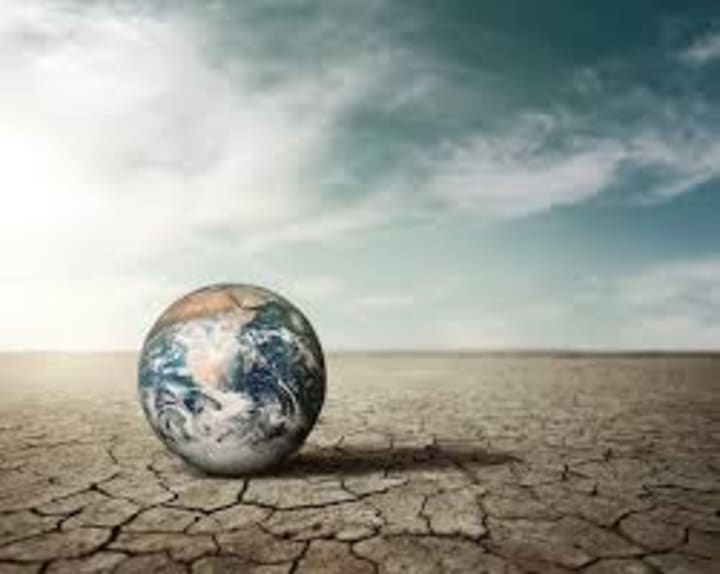
Now, she stood at the edge of what was once a vibrant fishing village, reduced to rubble by the latest superstorm. Her data had always been clear. The Earth was reaching its climate tipping point.
The Human Impact of Climate Change
Behind every statistic is a story.
In India, farmers struggled with unpredictable monsoons. In California, families evacuated homes as wildfires consumed neighborhoods. In the Arctic, Indigenous communities watched the ice melt under their feet, losing both land and tradition. These were not isolated events. They were connected—threads in the global fabric of the climate crisis.

Climate change wasn’t just about weather. It affected food security, public health, biodiversity, and even mental health. It widened the gap between rich and poor. While some built sea walls, others drowned. While the wealthy relocated, others remained trapped in disaster zones.
The Role of Science and Denial
Maya remembered how often scientific warnings were dismissed. Reports from the IPCC, UN climate conferences, and peer-reviewed journals had all stressed the urgency. Global warming effects weren’t abstract—they were measurable and accelerating. But political interests, misinformation, and corporate lobbying stalled action.
In classrooms and documentaries, the facts were clear: burning fossil fuels, deforestation, and industrial agriculture were major contributors. Yet denial persisted. The clock kept ticking.
A Turning Point
In 2030, everything changed. A series of simultaneous disasters—the “Triple Event”—hit three continents in one week: a heatwave in Europe that killed thousands, a mega-hurricane in the Atlantic, and an unprecedented glacier collapse in Antarctica. Public opinion shifted. The climate emergency became undeniable.
Maya was part of a global coalition that launched the “Earth Response Initiative.” Governments pledged to reach net-zero emissions by 2040. Investments poured into renewable energy, carbon capture, and reforestation projects. Climate education became mandatory in schools. For the first time, humanity responded as one.

It wasn’t perfect. It wasn’t fast enough. But it was something.
What You Can Do Today
While Maya’s story is partly fictional, the facts are not. Climate change is real—and you can make a difference.
Here are a few powerful steps anyone can take to fight climate change:
Reduce carbon footprint: Use public transport, bike, or carpool. Switch to energy-efficient appliances.
Support clean energy: Choose providers that invest in wind, solar, or hydroelectric power.
Eat sustainably: Reduce meat consumption, avoid food waste, and support local farmers.
Raise awareness: Talk about climate change, vote for leaders with environmental policies, and support green organizations.
Plant trees: Reforestation is one of the simplest ways to absorb CO2 from the atmosphere.
Climate Change Is a Shared Story
Every generation writes a chapter in humanity’s story. Ours is defined by the climate crisis, but also by the opportunity to act. The window is still open—barely. What we do in the next decade will determine the planet’s future for centuries.
Maya once stood in the ruins of a coastal town, overwhelmed by loss. But today, she stands in a classroom, teaching children about climate resilience and innovation. The story is far from over. And you are part of it.
climate change story
global warming effects
climate crisis 2025
how to stop climate change
climate change solutions
impact of climate change
climate action
net-zero emissions
renewable energy
carbon footprint reduction
__________________________________________
Thank you so much for reading this! 🥰 If you liked my writing, please leave a comment, click the heart and subscribe for free!
About the Creator
Muhammad
Explore deeply emotional stories and poems about future love, heartbreak, and healing. Each piece captures real moments of connection, loss, and personal growth—crafted to resonate with readers seeking authentic, relatable experiences.
The Technical Rise of Naphtha Recovery from Plastic Waste
For decades, the global narrative surrounding plastic has been defined by a linear economy: produce, use, and dispose. While mechanical recycling has served as the primary method for managing plastic waste, its limitations are well documented. Degradation of polymer chains, contamination from food waste, and the complex composition of multilayer packaging mean that a significant portion of collected plastics—often cited as high as 70%—is relegated to landfills or incineration.
By Bestonpyrolysis6 days ago in Earth




Comments
There are no comments for this story
Be the first to respond and start the conversation.