
Climate Change and Water Scarcity in North Africa
Climate change effects in Nirth Africa

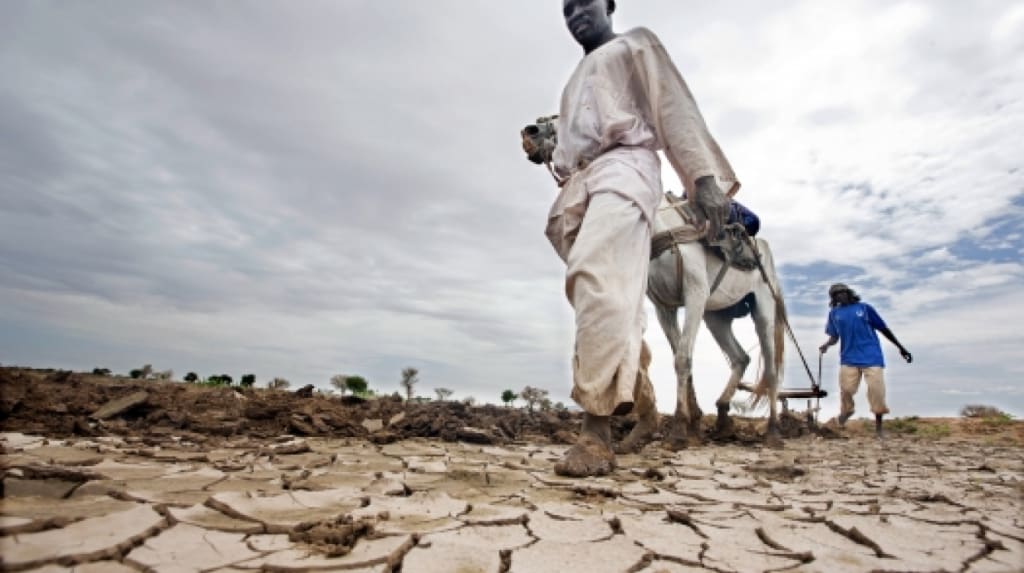
North Africa, encompassing countries such as Egypt, Sudan, Algeria, Tunisia, Libya, and Morocco, is no stranger to environmental challenges. One of the most pressing issues facing this region is the intersection of climate change and water scarcity, a complex and interrelated problem that threatens the livelihoods and stability of the entire region.
The Middle East and North Africa region (MENA) faces simultaneous crises of security, water scarcity and climate change. They are interlinked—the water crisis is exacerbated by climate change and may fuel conflict, while insecurity is an obstacle to dealing with other pressing issues.
North African communities have a long history of water management and governance. From millennia-old underground water channels and other methods of water storage and collection, to 20th century dam and hydropower projects, humans have long intervened in the region’s hydrologic cycle. Such infrastructure and water management techniques reflect the historic importance of the careful conservation and transportation of water in North Africa. However, the growing global climate emergency is placing ever greater stresses on North Africa’s water infrastructure, as the level, intensity, and variability of seasonal precipitation are radically changing along with the climate. It is important to take a wide-angle view of the nexus between climate change and water scarcity in the region and to implement a multilevel approach to water scarcity that is attentive to local, national, and regional needs. Such a stance pushes against the tendency to consider water politics and solutions to climate change as being bound by the borders of the nation-state. Both extant water distribution and the social, political, and economic stresses that water scarcity is producing demand an ability to move between and compare across different scales. This approach is all the more pertinent in North Africa, where multiple countries share similar geological, geographical, and hydrological features.
Climate change has intensified the arid conditions that are characteristic of North Africa. Rising temperatures and shifting precipitation patterns have exacerbated water scarcity, making access to freshwater a daily struggle for many in the region. Here are some key factors contributing to this crisis:
Declining Precipitation: Climate change has disrupted traditional rainfall patterns in North Africa. Many areas are experiencing reduced rainfall, leading to decreased surface water availability. This has a direct impact on agriculture, as the majority of North Africans rely on rainfed farming.
Rising Temperatures: Increasing temperatures are causing higher evaporation rates from reservoirs and water bodies, further depleting available water resources. High temperatures also affect the efficiency of irrigation systems, reducing crop yields and increasing water demand for agriculture.
Melting Glaciers: In the Atlas Mountains of Morocco, there are glaciers that provide vital freshwater resources during the dry season. However, these glaciers are rapidly melting due to rising temperatures, threatening a critical source of water for the region.
Groundwater Depletion: North Africa heavily depends on groundwater for domestic and agricultural use. Over-extraction of groundwater is common, leading to falling water tables and the intrusion of saline water in coastal areas. This has long-term consequences for the sustainability of water resources.
Population Growth: The region's population is growing, putting additional stress on limited water resources. Urbanization and industrialization also increase water demand, leading to competition for scarce water supplies.
Political and Social Tensions: Water scarcity exacerbates existing political and social tensions in North Africa. Competing interests over water resources can lead to conflicts both within and between countries.
Addressing these challenges requires a multifaceted approach:
Water Management: Improved water management practices, including efficient irrigation techniques and the development of water storage infrastructure, can help mitigate the impacts of water scarcity.
Renewable Energy: Transitioning to renewable energy sources can reduce greenhouse gas emissions, which contribute to climate change. This shift can help mitigate temperature increases and reduce water stress associated with energy production.
International Cooperation: Shared water resources, such as the Nile River, necessitate international cooperation to ensure equitable distribution and sustainable use. Diplomatic efforts are essential to prevent conflicts over water.
Adaptation Strategies: Communities in North Africa must develop and implement adaptation strategies to cope with changing climatic conditions, including drought-resistant crop varieties and improved water harvesting techniques.
Climate change and water scarcity in North Africa are intertwined challenges that require urgent attention. Without proactive measures to address these issues, the region faces an uncertain future marked by increased environmental stress, social unrest, and economic instability. International collaboration, sustainable water management, and a commitment to reducing greenhouse gas emissions are crucial steps in securing a more sustainable and water-secure future for North Africa.
About the Creator
John Nnaji
CEO Billion$ Concepts: Talent Box of Africa
HOME OF INTERESTING VIDEOS
BLOGGER❣️❤️❤️❤️EMAIL for all promotions
[email protected]
Keep reading
More stories from John Nnaji and writers in Earth and other communities.
Drought Resilience Strategies in Sub-Saharan Africa
Sub-Saharan Africa is no stranger to the devastating impact of droughts. Characterized by unpredictable rainfall patterns and vulnerable agricultural systems, the region faces recurrent challenges in securing food, water, and livelihoods for its growing population. Drought resilience strategies have become imperative to mitigate the social, economic, and environmental consequences of prolonged dry spells.
By John Nnaji 2 years ago in Earth
Rape Trial Puts Norway's Royal Family in Unwelcome Glare of Public
Norway’s royal family, long regarded as one of Europe’s most respected and low-profile monarchies, has recently found itself under intense public scrutiny following a high-profile rape trial connected to individuals within its extended social and public circle. The case has triggered widespread media attention, national debate, and renewed discussion about how institutions — even symbolic ones like monarchies — navigate crises involving criminal allegations.
By Aarif Lashari8 days ago in Earth
The Angry Man in Your House
"If you grow up with an angry man in your house, there will always be an angry man in your house" This statement has caused plenty of controversy online, people say its a statement that blames victims while also undermining those who break traumatic cycles to form health relationships... but if I'm honest now that I'm in my 30s it makes more sense to me than ever, and I'd argue that its not just about fathers and uncles.
By S. A. Crawforda day ago in Humans



Comments
There are no comments for this story
Be the first to respond and start the conversation.