
Drought Resilience Strategies in Sub-Saharan Africa
Careful strategies to combat the issue of drought

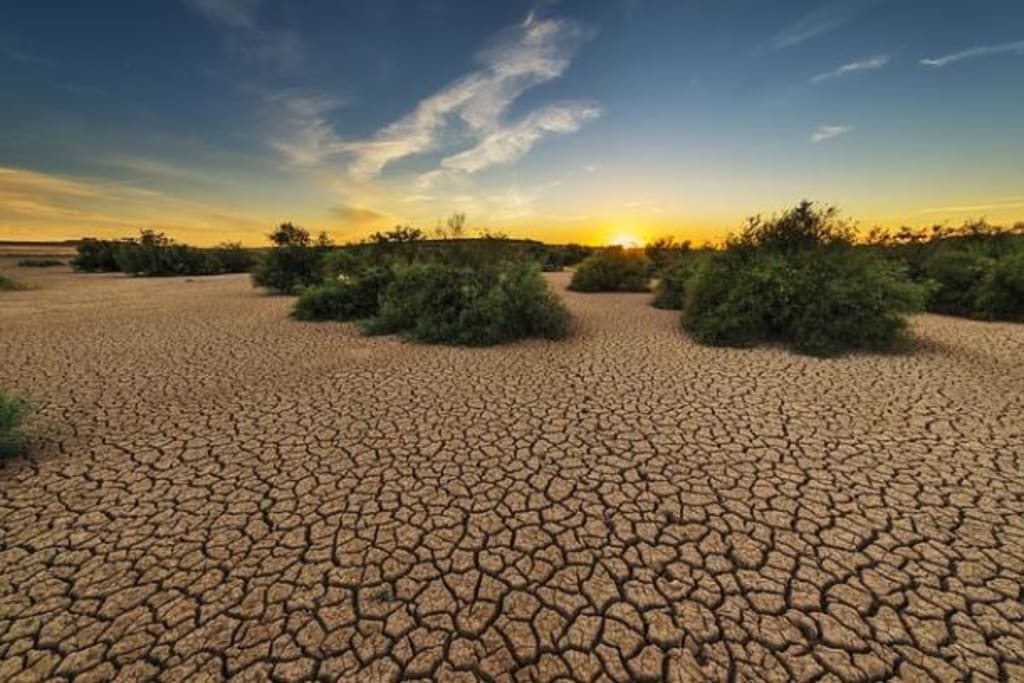
Sub-Saharan Africa is no stranger to the devastating impact of droughts. Characterized by unpredictable rainfall patterns and vulnerable agricultural systems, the region faces recurrent challenges in securing food, water, and livelihoods for its growing population. Drought resilience strategies have become imperative to mitigate the social, economic, and environmental consequences of prolonged dry spells.
Drought is one of the four horsemen of the Apocalypse. It often has large-scale and serious consequences particularly in poor countries. It has accompanied humankind ever since, but is projected to increase with climate change. Yet, in our present time drought no longer needs to be a disaster, its consequences can be managed, though it is not easy in contexts where poverty, conflict and migration exacerbate the challenges of drought. In addition, new challenges arise due to new sectors being affected by drought in modernizing societies.
Droughts and other climate induced hazards have clear and large-scale negative impacts on food security, conflicts and migration. Influx of migrants witnessed in countries with already highly stressed water resources can elevate “migration” per-se as a security issue. Many regions in Sub-Saharan Africa, among them some of the poorest countries in the world and while sharing common borders, are particularly vulnerable to drought, and therefore need foreign assistance to cope with such calamities. Unfortunately, both countries and development partners alike continue to approach droughts as a ‘crisis’ and manage them as such, meaning a reaction occurs only after the event has taken its toll, and in practice often with poorly coordinated emergency relief measures. A silo approach still is the norm. It is easy to predict that if it thus will not be possible to counterbalance the effects of the next large drought(s)in a region such as Sub-Saharan Africa, but consent exists as well that that the people, the countries, the neighbors, and Europe are likely to face huge, unprecedented challenges.
Diversified Agriculture: Promoting crop diversity is a cornerstone of drought resilience. Monoculture farming is susceptible to drought-induced crop failure, but diversified agriculture can help ensure that at least some crops survive. Farmers are encouraged to grow a variety of drought-tolerant crops like millet, sorghum, and cowpeas alongside more water-intensive ones. Crop rotation and intercropping can further enhance resilience by improving soil fertility and water retention.
Improved Water Management: Efficient water management is critical. Rainwater harvesting techniques, such as constructing small dams and ponds, are essential for capturing and storing rain during wet periods for use during dry spells. Additionally, modern irrigation methods, such as drip and sprinkler systems, help farmers optimize water use and reduce wastage.
Drought-Tolerant Crop Varieties: Developing and disseminating drought-resistant crop varieties is a long-term investment in drought resilience. Research institutions and organizations are working to breed crop strains that can thrive with minimal water. Examples include drought-tolerant maize and drought-resistant rice varieties, which are tailored to the region's conditions.
Early Warning Systems: Timely information is crucial for preparedness. Early warning systems that predict impending droughts provide farmers and governments with the opportunity to take proactive measures. These systems use meteorological data and advanced modeling techniques to forecast droughts, allowing for early response planning and resource allocation.
Climate-Smart Farming Practices: Climate-smart farming techniques, such as no-till farming and agroforestry, improve soil health, conserve moisture, and enhance overall farm resilience. These practices not only mitigate the effects of drought but also contribute to long-term sustainability and carbon sequestration.
Social Safety Nets: Governments and NGOs play a pivotal role in providing social safety nets. Programs like cash transfers and food assistance can help vulnerable populations cope with the immediate impacts of drought. Moreover, investing in education and vocational training can enable communities to diversify their income sources and reduce dependence on rain-fed agriculture.
Community-Based Adaptation: Community involvement is crucial in building drought resilience. Community-based adaptation programs empower local people to identify and implement strategies that work best for their specific conditions. These initiatives often include building resilient infrastructure like water storage facilities and training in sustainable farming practices.
Investment in Infrastructure: Investment in infrastructure, such as roads and storage facilities, is fundamental for drought resilience. Accessible roads enable farmers to bring their produce to market, reducing post-harvest losses. Storage facilities help preserve surplus produce for times of scarcity.
Research and Innovation: Continued investment in research and innovation is vital. This includes the development of drought-resistant crops, improved water management technologies, and the dissemination of knowledge about best practices in drought-prone areas.
In conclusion, drought resilience in Sub-Saharan Africa is an ongoing challenge, exacerbated by climate change and a growing population. Implementing a combination of strategies, from crop diversification to improved water management and early warning systems, can help communities weather the storms of drought. Moreover, collaboration between governments, NGOs, research institutions, and local communities is essential to ensure that these strategies are effectively implemented and adapted to the specific needs of each region within Sub-Saharan Africa. Only through such comprehensive efforts can the region hope to build a sustainable future in the face of recurrent droughts.
About the Creator
John Nnaji
CEO Billion$ Concepts: Talent Box of Africa
HOME OF INTERESTING VIDEOS
BLOGGER❣️❤️❤️❤️EMAIL for all promotions
[email protected]
Keep reading
More stories from John Nnaji and writers in Earth and other communities.
The Impact of Desertification on African Agriculture
Desertification is a pressing environmental issue with profound implications for African agriculture, a sector that sustains the livelihoods of millions across the continent. This creeping phenomenon, driven primarily by climate change, deforestation, and unsustainable land management practices, has dire consequences for food security, economic stability, and social well-being in Africa.
By John Nnaji 2 years ago in Earth
Polar Vortex Collapse Explained: Why Scientists Are Closely Watching This Dangerous Winter Phenomenon
Introduction: What Is the Polar Vortex and Why Is Everyone Talking About It? In recent years, the term “polar vortex” has become common in winter weather headlines. When extreme cold sweeps across North America or Europe, the polar vortex is often blamed. But many people still ask an important question: What exactly is the polar vortex, and why are scientists so concerned about its collapse?
By Adil Ali Khan4 days ago in Earth
Officially confirmed : heavy snow begins late tonight as weather alerts warn of major disruptions, travel chaos, and dangerous conditions
Meteorological authorities have officially confirmed that a powerful winter storm will begin bringing heavy snowfall late tonight, prompting widespread weather alerts and warnings of major disruption across several regions. Forecasters say the system is expected to intensify rapidly overnight, creating hazardous travel conditions, possible power outages, and significant delays to public transportation. The national weather service issued multiple advisories on Tuesday afternoon, urging residents to prepare for what could be one of the most disruptive snow events of the season. Snowfall rates of up to two inches per hour are possible in some areas, accompanied by strong winds that could lead to blizzard-like conditions. Storm System Strengthens Overnight According to meteorologists, the storm system is moving in from the northwest and will collide with a mass of cold air already settled over much of the region. This combination is expected to produce heavy, wet snow in lower elevations and lighter, powdery snowfall in higher areas. “The timing is particularly concerning because the heaviest snow is expected during the overnight and early morning hours,” said a senior forecaster. “That increases the risk of accidents during the morning commute and makes road treatment more difficult.” Snow is forecast to begin shortly before midnight, with accumulation accelerating through the early morning. Some regions could see between 8 and 14 inches of snow by midday tomorrow, while mountain communities may receive significantly more. Travel Disruptions and Road Closures Expected Transportation officials have warned that highways, secondary roads, and rural routes could become impassable. Snowplows and salt trucks have been placed on standby, and emergency response teams are preparing for a high volume of calls. Major airports have already announced the possibility of flight delays and cancellations, advising passengers to check their schedules before heading to terminals. Rail operators are also preparing for service disruptions due to icy tracks and reduced visibility. “Even well-treated roads can become dangerous very quickly under this kind of snowfall,” said a spokesperson for the transport authority. “We strongly recommend avoiding non-essential travel until conditions improve.” Local police departments are urging drivers to carry emergency kits, including blankets, food, and flashlights, in case vehicles become stranded. Schools and Businesses Prepare for Closures Several school districts have indicated that remote learning or delayed openings may be announced depending on overnight conditions. Universities and government offices are reviewing contingency plans as the storm approaches. Businesses in heavily affected areas are preparing for reduced staffing and possible temporary closures. Grocery stores reported increased demand for bread, milk, batteries, and heating supplies as residents stocked up in advance of the storm. “We saw a rush this afternoon,” said one store manager. “People remember what happened during the last storm and don’t want to be caught unprepared.” Risk of Power Outages Utility companies are warning that the combination of heavy snow and gusty winds could bring down power lines and tree branches. Crews have been placed on emergency schedules to respond quickly to outages. The risk is especially high in areas where snow is expected to be wet and heavy, placing additional strain on infrastructure. “We’re ready to respond, but restoration times may be longer if roads are blocked or visibility is poor,” a utility company statement said. Residents are being advised to charge electronic devices, prepare alternative heating options if safe, and keep flashlights and batteries accessible. Emergency Services on High Alert Hospitals and emergency responders are bracing for an increase in weather-related injuries, including slips and falls, car accidents, and exposure-related health issues. Officials are reminding people to check on elderly neighbors and those with medical conditions who may need assistance. Homeless shelters have expanded capacity in several cities to accommodate those seeking refuge from the cold. “This storm is not just an inconvenience—it can be life-threatening if people underestimate it,” said a spokesperson from the emergency management agency. Weather Alerts Remain in Effect Weather alerts will remain in place through tomorrow afternoon, with additional updates expected as the storm’s path becomes clearer. Forecasters caution that conditions could change rapidly and that snowfall totals may increase if the storm slows or intensifies further. Temperatures are expected to remain below freezing for much of the day tomorrow, increasing the risk of ice formation once the snow begins to melt and refreeze overnight. A Call for Caution Authorities are emphasizing preparation and patience. Residents are encouraged to stay indoors if possible, avoid unnecessary travel, and follow official guidance. “This is the kind of storm where small decisions can have big consequences,” said one emergency official. “If you don’t need to be on the roads, stay home.” While winter storms are not unusual, the scale and timing of this system have raised concerns about its potential impact on daily life. With heavy snow beginning late tonight, communities are bracing for a challenging day ahead. As crews prepare to clear roads and restore services, officials stress that public cooperation will be critical. The coming hours will test both infrastructure and individual readiness, with safety depending on careful planning and respect for the severity of the conditions. For now, the message from authorities is clear: prepare immediately, remain alert, and take the storm seriously.
By Fiaz Ahmed 4 days ago in Earth
Rachel Reviews: Lunch Tales: Teagan by Lucille Guarino
Well, I did enjoy this! Sometimes, all you need is just great storytelling and this is what Lucille Guarino delivers here. There's no big message to this book; it's just about folks and families, living their lives and coping with everything that's being thrown at them and finding their way. But when it's done well, like it is here, then you have characters to whom you can relate, tension which leaves you rooting for a better outcome, attraction which has your heart racing and an urge, as a reader, to see the characters happy with the people with whom they belong.
By Rachel Deeminga day ago in BookClub


Comments
There are no comments for this story
Be the first to respond and start the conversation.