
CLIMATE CHANGE
Understanding the Impacts and Necessity for Action
Introduction:
Climate change is an urgent global issue that poses significant threats to our planet and its inhabitants. It refers to long-term shifts in temperature patterns and weather conditions, primarily caused by human activities, such as the burning of fossil fuels and deforestation. This comprehensive note aims to explore the impacts of climate change on the environment and societies, including rising temperatures, sea-level rise, extreme weather events, and changes in ecosystems. Understanding the severity of these impacts is crucial for recognizing the urgent need for collective action to mitigate and adapt to climate change.
I. Causes of Climate Change:
Human activities are the primary drivers of climate change. The burning of fossil fuels, such as coal, oil, and natural gas, releases greenhouse gases (GHGs) into the atmosphere, primarily carbon dioxide (CO2). Deforestation and land-use changes further contribute to the increase in atmospheric CO2 levels. These GHGs trap heat in the Earth's atmosphere, leading to the greenhouse effect and a rise in global temperatures.
II. Impacts of Climate Change:
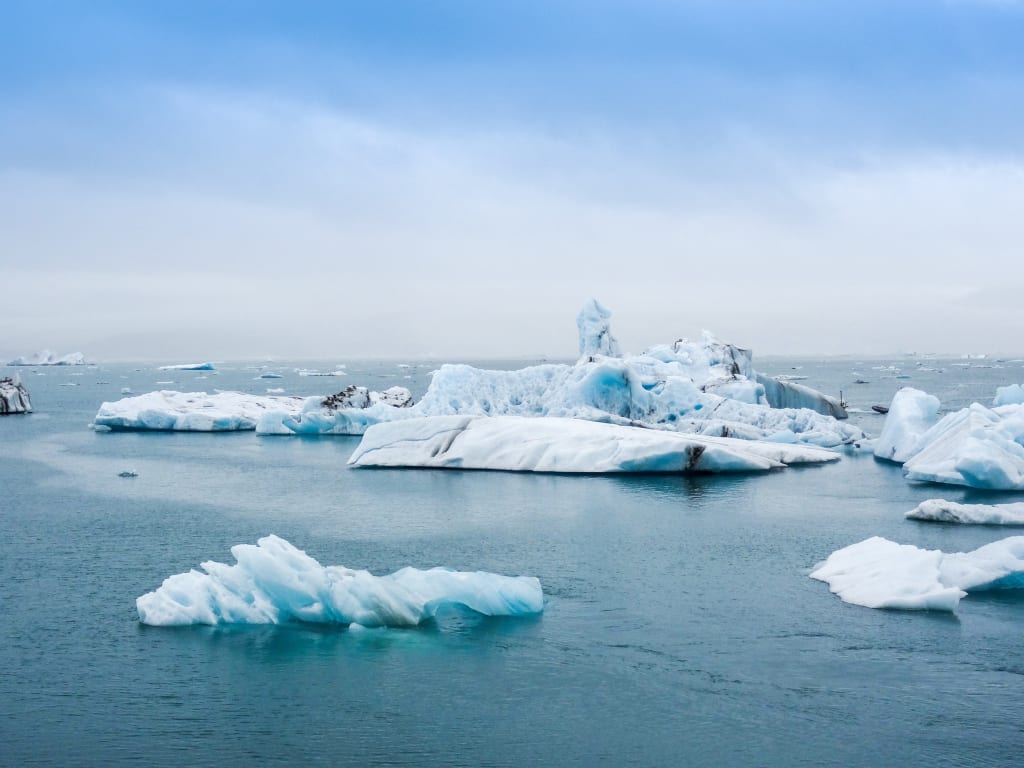
Rising Temperatures: Global average temperatures have been steadily increasing, resulting in numerous consequences. Heatwaves and heat-related illnesses become more prevalent, while extreme temperatures impact agriculture, water resources, and human health. Rising temperatures also accelerate the melting of glaciers and polar ice, contributing to sea-level rise.
Sea-Level Rise: As temperatures increase, glaciers and ice sheets melt, causing sea levels to rise. Rising sea levels pose a significant threat to coastal communities, leading to increased coastal erosion, loss of land, and heightened risks of flooding. Low-lying island nations and densely populated coastal areas are particularly vulnerable.
Extreme Weather Events: Climate change intensifies the frequency and severity of extreme weather events, including hurricanes, cyclones, droughts, floods, and wildfires. These events have devastating impacts on human lives, infrastructure, agriculture, and ecosystems. Disproportionate effects are often felt by marginalized communities with limited resources and adaptive capacity.
Changes in Precipitation Patterns: Climate change alters precipitation patterns, leading to regional shifts in rainfall and increased frequency of heavy precipitation events. This can result in both droughts and floods, impacting water availability, agriculture, and ecosystems. Changes in precipitation patterns also affect the distribution and availability of freshwater resources.
Ecosystem Disruption: Climate change poses a significant threat to biodiversity and ecosystems. Shifts in temperature and precipitation patterns can disrupt habitats, leading to species migration, changes in flowering and breeding times, and altered food chains. Ecosystem services, such as pollination, water purification, and carbon storage, are also at risk, affecting human well-being.
Ocean Acidification: Increased carbon dioxide absorption by the oceans leads to ocean acidification. This change in the ocean's chemistry negatively impacts marine life, particularly coral reefs, shellfish, and other calcifying organisms. Ocean acidification disrupts marine ecosystems and threatens the livelihoods of communities dependent on fisheries and tourism.
Public Health Impacts: Climate change affects public health through various pathways. Heat-related illnesses, increased prevalence of vector-borne diseases (such as malaria and dengue fever), and reduced air quality due to pollution exacerbate health risks. Vulnerable populations, including the elderly, children, and those with pre-existing health conditions, are particularly susceptible.
III. Mitigation and Adaptation Strategies:
To address climate change, a two-pronged approach involving mitigation and adaptation is essential:
Mitigation: Mitigation involves actions to reduce greenhouse gas emissions and minimize further climate change. Strategies include:
a. Transition to Clean Energy: Shifting from fossil fuels to renewable energy sources, such as solar, wind, and hydroelectric power, reduces GHG emissions. This requires investment in renewable energy technologies, policy incentives, and energy efficiency measures.
b. Sustainable Transportation: Promoting public transportation, electric vehicles, and active modes of transport, like walking and cycling, can reduce emissions from the transportation sector.
c. Forest Conservation and Reforestation: Protecting existing forests and reforesting degraded areas helps to sequester carbon dioxide and preserve biodiversity.
d. Sustainable Agriculture: Encouraging sustainable agricultural practices, such as agroforestry, organic farming, and precision farming, reduces emissions from the agriculture sector while enhancing food security and resilience.
Adaptation: Adaptation involves building resilience and preparedness to the impacts of climate change. Strategies include:
a. Climate-Resilient Infrastructure: Designing and constructing infrastructure that can withstand climate-related hazards, such as flooding and extreme heat, is crucial. This includes upgrading stormwater management systems, strengthening coastal defenses, and implementing early warning systems.
b. Water Management: Developing efficient water management systems, including water conservation, rainwater harvesting, and improved irrigation techniques, helps to ensure water availability in changing climate conditions.
c. Ecosystem-Based Approaches: Protecting and restoring ecosystems, such as mangroves, wetlands, and forests, can provide natural buffers against climate change impacts and support biodiversity conservation.
d. Climate Information and Early Warning Systems: Strengthening climate information systems and providing accurate and timely climate forecasts can assist decision-makers in developing effective adaptation strategies and early warning systems.
IV. International Cooperation and Policy Frameworks:
Addressing climate change requires global cooperation and policy frameworks. Key initiatives include:
The United Nations Framework Convention on Climate Change (UNFCCC): The UNFCCC aims to stabilize greenhouse gas concentrations in the atmosphere and facilitate international cooperation on climate change mitigation and adaptation.
The Paris Agreement: The landmark Paris Agreement, adopted in 2015, sets the goal of limiting global warming to well below 2 degrees Celsius above pre-industrial levels. It promotes national mitigation targets, adaptation planning, and financial assistance to developing countries.
Sustainable Development Goals (SDGs): The SDGs, particularly Goal 13 on Climate Action, provide a roadmap for addressing climate change while promoting sustainable development across various sectors.
International Climate Finance: Developed countries have committed to providing financial resources to support climate change mitigation and adaptation efforts in developing countries. This includes the Green Climate Fund, which aims to mobilize funds for climate action in developing nations.
Conclusion:
Climate change presents an unprecedented challenge with far-reaching implications for the environment, societies, and future generations. The impacts of rising temperatures, sea-level rise, extreme weather events, and ecosystem disruption demand urgent action. By adopting mitigation strategies to reduce greenhouse gas emissions and implementing adaptation measures to build resilience, we can mitigate the severity of climate change and protect vulnerable communities. International cooperation, policy frameworks, and individual actions are essential for creating a sustainable future where climate change is effectively addressed, and the planet is safeguarded for generations to come.
About the Creator
Keep reading
More stories from Adamu Hafizu Chiroma and writers in Earth and other communities.
PLASTIC POLLUTION
Introduction: Plastic pollution has emerged as a pressing environmental issue, causing detrimental effects on our oceans, rivers, and landfills. The overconsumption and improper disposal of single-use plastics have led to severe consequences for marine life, ecosystems, and human health. This comprehensive note explores the scope and impact of plastic pollution, highlights the need for alternative solutions to single-use plastics, and emphasizes the significance of recycling and waste management practices in combating this global problem.
By Adamu Hafizu Chiroma3 years ago in Earth
Severe Geomagnetic Storm Could Bring Northern Lights Across Much of the U.S.
On Monday evening, skywatchers from the Pacific Northwest to the Midwest got ready for something out of the ordinary: a celestial display that typically occurs at high northern latitudes. Americans who provide forecasts as a powerful cloud of charged particles from the sun accelerates toward the Earth's magnetic field, the National Oceanic and Atmospheric Administration (NOAA) has issued a "G4 (Severe) geomagnetic storm watch."
By Raviha Imranabout 12 hours ago in Earth
Greenland News
Greenland News Greenland has increasingly drawn global attention in recent years due to its political developments, environmental changes, and growing strategic importance. As the world looks more closely at the Arctic region, news from Greenland reflects a unique mix of local priorities and international interest. From climate-related challenges to economic opportunities and governance issues, Greenland continues to shape its own path while remaining closely connected to global affairs.
By America today 2 days ago in Earth



Comments
There are no comments for this story
Be the first to respond and start the conversation.