
PLASTIC POLLUTION
A Growing Environmental Challenge and Solutions for a Sustainable future
Introduction:
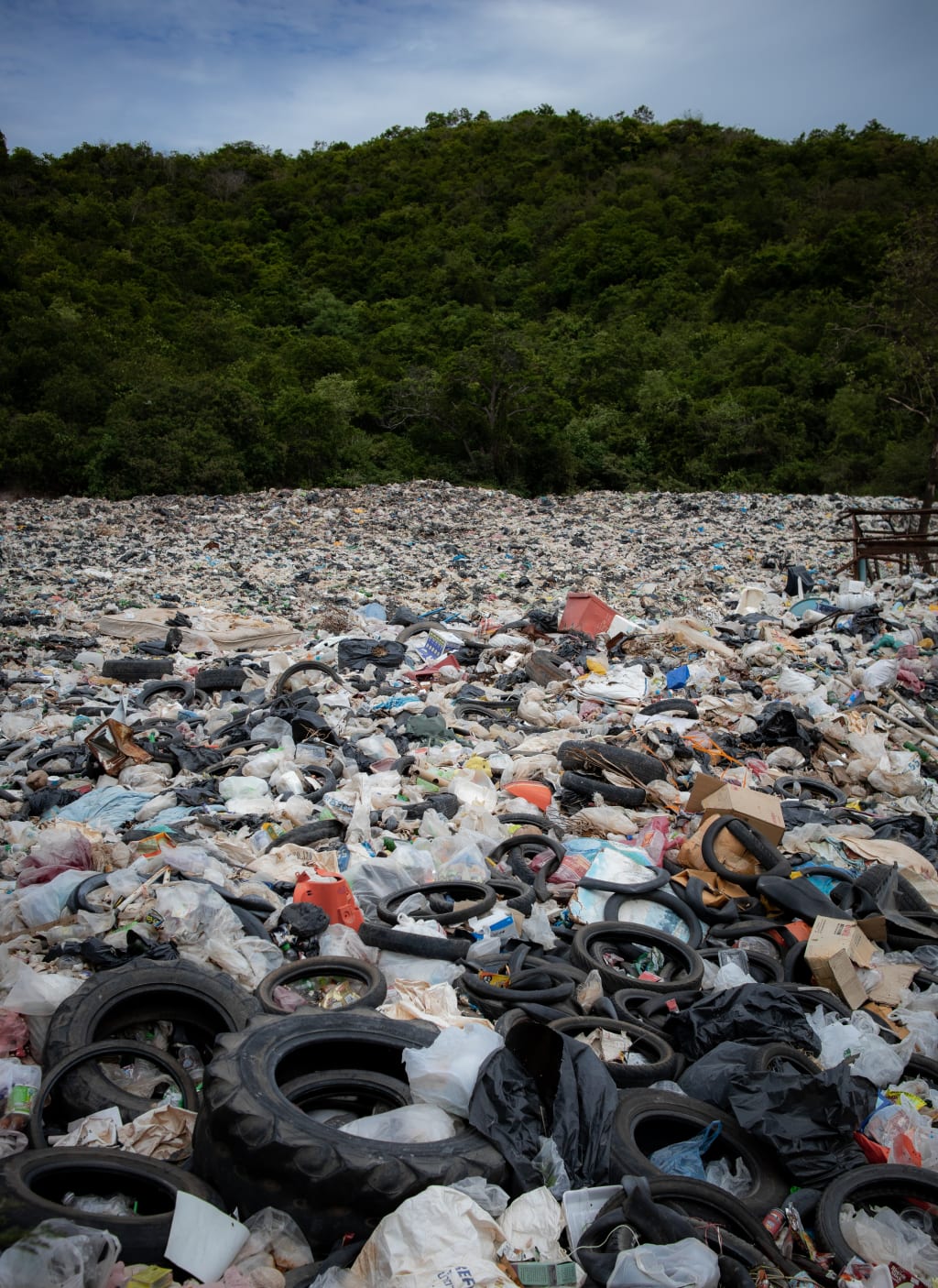
Plastic pollution has emerged as a pressing environmental issue, causing detrimental effects on our oceans, rivers, and landfills. The overconsumption and improper disposal of single-use plastics have led to severe consequences for marine life, ecosystems, and human health. This comprehensive note explores the scope and impact of plastic pollution, highlights the need for alternative solutions to single-use plastics, and emphasizes the significance of recycling and waste management practices in combating this global problem.
The Scope of Plastic Pollution:
Plastic pollution is a global challenge affecting all corners of the Earth. With over 8 million metric tons of plastic waste entering the oceans each year, marine ecosystems are particularly vulnerable. Single-use plastics, such as plastic bags, bottles, and packaging materials, contribute significantly to this pollution. These items take hundreds of years to decompose, leading to long-lasting contamination.
The consequences of plastic pollution are far-reaching. Marine wildlife, including fish, seabirds, and marine mammals, often mistake plastic debris for food or become entangled in it, leading to injury, suffocation, and death. The ingestion of microplastics by marine organisms can also have cascading effects throughout the food chain, ultimately impacting human health through the consumption of contaminated seafood.
Seeking Alternatives to Single-Use Plastics:
To address plastic pollution, it is crucial to explore alternative materials and practices that reduce our reliance on single-use plastics. Sustainable packaging solutions, such as biodegradable or compostable materials, offer a promising avenue. These materials break down more easily in natural environments, reducing their long-term impact.
Additionally, promoting the use of reusable products is vital in mitigating plastic pollution. Encouraging the adoption of reusable bags, bottles, and utensils can significantly reduce the consumption of single-use plastics. Government policies, corporate initiatives, and consumer awareness campaigns play a crucial role in promoting the shift towards these alternatives.
Recycling and Waste Management:
Effective recycling and waste management practices are essential in reducing plastic pollution. Improved waste collection systems, separation of recyclable materials, and investments in recycling infrastructure are key components of a sustainable waste management strategy.
To enhance recycling rates, it is crucial to educate communities about proper waste segregation and recycling processes. Collaboration between governments, businesses, and individuals can create robust recycling systems, ensuring that plastic waste is diverted from landfills and instead transformed into new products. Additionally, innovation in recycling technologies can unlock new possibilities for recycling complex plastics, further reducing the environmental impact.
Policy Interventions and Industry Initiatives :
Addressing plastic pollution requires a multi-faceted approach involving policy interventions and industry initiatives. Governments can implement regulations to limit the production and sale of single-use plastics, encourage the use of eco-friendly alternatives, and impose extended producer responsibility, making manufacturers accountable for the lifecycle of their products.
Furthermore, collaboration with the private sector is essential. Companies can adopt sustainable packaging practices, invest in research and development of alternative materials, and support recycling initiatives. Public-private partnerships can drive innovation, increase resource efficiency, and promote sustainable consumption patterns.
Individual Responsibilities:
Reduce Single-Use Plastics: Individuals can actively reduce their consumption of single-use plastics by opting for reusable alternatives. This includes carrying a reusable water bottle, bringing reusable shopping bags, using stainless steel or glass containers for food storage, and saying no to plastic straws and cutlery. Small changes in individual behavior can have a significant collective impact.
Proper Waste Disposal: Individuals must ensure that their plastic waste is disposed of correctly. This involves using designated recycling bins for plastic items, separating recyclables from general waste, and following local recycling guidelines. Proper waste management prevents plastic from ending up in landfills or finding its way into water bodies.
Consumer Choices: By making informed choices, individuals can support businesses that prioritize sustainable packaging and promote eco-friendly products. This encourages companies to adopt more environmentally responsible practices and reduces the demand for single-use plastics.
Education and Awareness: Individuals can contribute to preventing plastic pollution by raising awareness within their communities. Sharing information about the impacts of plastic pollution, organizing clean-up events, and supporting environmental initiatives help to educate and inspire others to take action.
Government Responsibilities:
Policy and Legislation: Governments play a critical role in developing and enforcing policies and regulations to address plastic pollution. This includes banning or imposing levies on single-use plastics, promoting the use of eco-friendly alternatives, and incentivizing sustainable packaging practices. Robust policies provide a framework for sustainable waste management and encourage businesses and individuals to adopt environmentally friendly practices.
Infrastructure and Waste Management: Governments are responsible for investing in and maintaining waste management infrastructure, including recycling facilities, collection systems, and proper disposal methods. By ensuring convenient and accessible recycling options, governments can encourage citizens to recycle and reduce plastic waste.
Extended Producer Responsibility (EPR): Governments can implement EPR policies that hold producers accountable for the entire lifecycle of their products, including proper disposal and recycling. By shifting the responsibility to manufacturers, governments encourage the design of more recyclable and environmentally friendly packaging.
Public Education and Awareness: Governments have a responsibility to raise public awareness about the impact of plastic pollution and the importance of responsible waste management. Through educational campaigns, school programs, and public initiatives, governments can inform and empower individuals to make sustainable choices.
International Collaboration: Plastic pollution is a global issue, requiring international cooperation and collaboration. Governments can engage in international agreements and partnerships to tackle plastic pollution collectively, share best practices, and develop innovative solutions.
It is important to note that individual actions and government policies are interconnected. Individual choices and actions can drive demand for sustainable alternatives, while governments can create an enabling environment through policies and infrastructure. A collaborative approach between individuals and governments is essential for effectively addressing plastic pollution and creating a sustainable future.
Conclusion :
Plastic pollution poses a significant threat to our environment, ecosystems, and human well-being. Addressing this complex issue requires a comprehensive approach encompassing alternative materials, recycling and waste management, policy interventions, and industry initiatives. By embracing sustainable alternatives to single-use plastics, implementing effective recycling practices, and fostering collaboration among stakeholders, we can strive towards a plastic-free future. It is our collective responsibility to protect our planet and ensure a sustainable future for generations to come.
About the Creator
Keep reading
More stories from Adamu Hafizu Chiroma and writers in Earth and other communities.
Circular Economy
Introduction : The circular economy is a transformative approach that aims to shift from the traditional linear "take-make-dispose" model of resource consumption to a circular system where resources are used more efficiently, waste is minimized, and products are designed for durability, reuse, and recycling. It recognizes the finite nature of resources and the need to decouple economic growth from resource depletion and environmental degradation. This comprehensive note explores the concept of the circular economy, its principles, benefits, and various strategies and initiatives that can help transition towards a more sustainable and regenerative economic system.
By Adamu Hafizu Chiroma3 years ago in Earth
Without Democracy, Donald Trump’s Venezuelan Oil Quest Will Fail
Donald Trump’s renewed interest in Venezuelan oil may seem, on the surface, like a hard-nosed geopolitical calculation. Venezuela holds the world’s largest proven oil reserves, and amid global energy uncertainty, access to those resources is undeniably tempting. But history, economics, and politics all point to the same conclusion: without democratic reform in Venezuela, any attempt by a Trump-led US administration to secure reliable Venezuelan oil will ultimately fail.
By Aarif Lashari6 days ago in Earth



Comments
There are no comments for this story
Be the first to respond and start the conversation.